A Burst of Pop: Decoding Andy Warhol’s ‘Flowers’
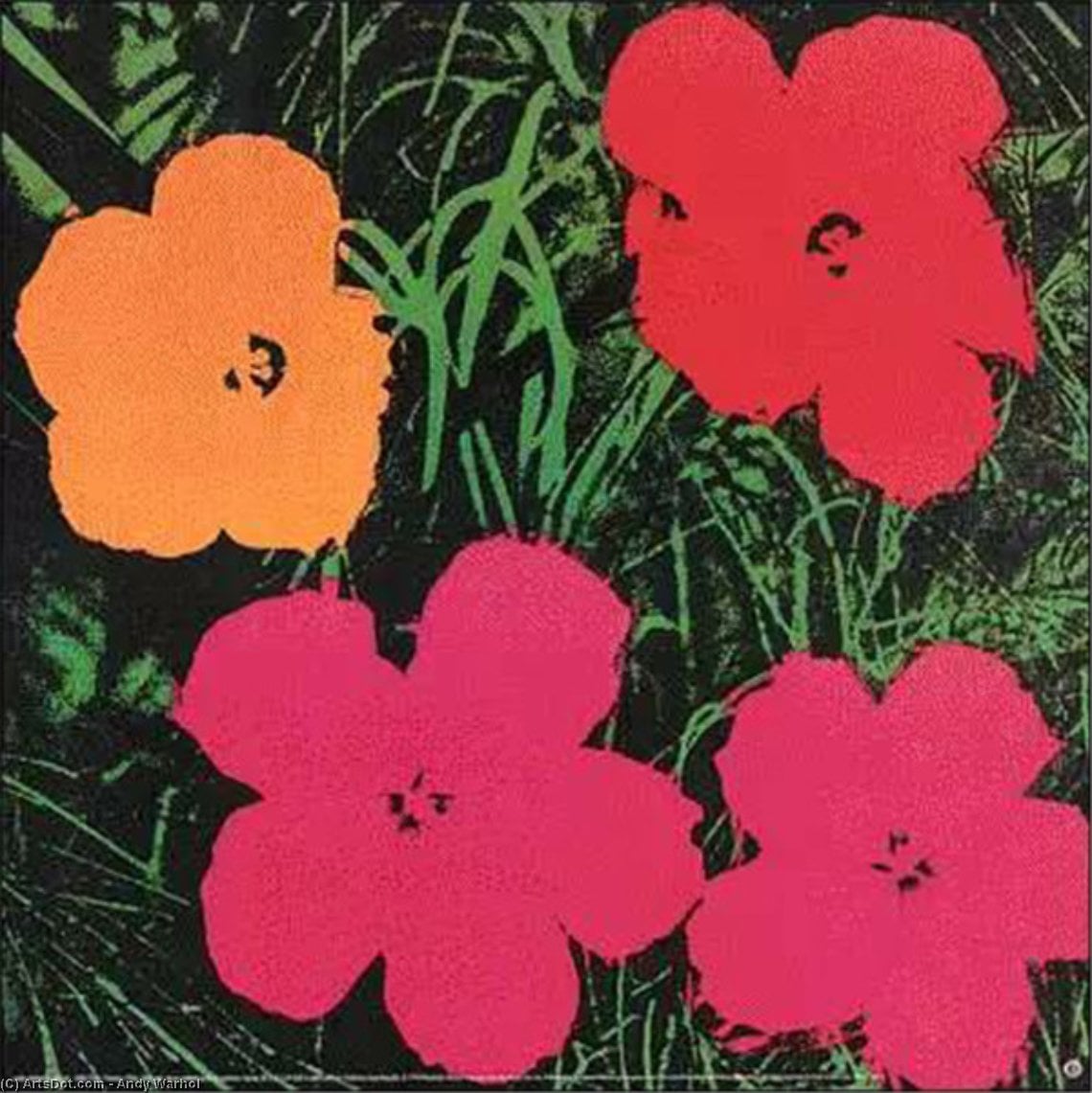
Andy Warhol's ‘Flowers,’ a series born from his fascination with mass production and the ephemeral beauty of everyday life, stands as one of the most recognizable emblems of the Pop Art movement. More than just pretty pictures, these silkscreen prints are a complex meditation on consumer culture, artistic reproduction, and the very nature of perception. Emerging in 1964, at the height of Warhol’s fame following his iconic portraits of Marilyn Monroe and Campbell's Soup Cans, ‘Flowers’ represented a deliberate shift—or perhaps an expansion—of his artistic concerns. While seemingly simpler in subject matter than his previous work, the series possesses a quiet power that continues to resonate with audiences today.
The Silkscreen Process: A Factory Aesthetic
Warhol's technique was integral to the meaning of ‘Flowers.’ He didn’t approach these images as a traditional painter would. Instead, he embraced the mechanical process of silkscreen printing—a method borrowed from commercial illustration—to create multiples that deliberately blurred the lines between high art and mass-produced objects. The original source image, a black and white photograph of hibiscus flowers taken by Patricia Caulfield for Modern Photography magazine, was transformed through Warhol’s signature layering of vibrant, often unexpected colors. This process wasn't about achieving photographic realism; it was about flattening the image, removing any sense of depth or individual brushstroke, and emphasizing the artificiality inherent in reproduction. The slight misalignments and imperfections that sometimes appear in the prints aren’t flaws but rather hallmarks of the ‘Factory’ aesthetic—a testament to Warhol’s embrace of mechanical processes and collaborative production. The legal battle with Caulfield over copyright further underscores this tension between artistic appropriation and originality, a key theme within Warhol's oeuvre.
Symbolism in Bloom: Beyond Surface Beauty
On the surface, ‘Flowers’ appears to celebrate the simple beauty of nature. However, beneath this veneer lies a more nuanced commentary on American society in the 1960s. The flowers themselves can be interpreted as symbols of fleeting youth, fragile beauty, and the commodification of natural forms. Warhol's choice to depict flowers—a traditional subject for still life painting—was itself a subversive act. By stripping away any sense of sentimentality or artistic skill, he challenged conventional notions of what constituted ‘high art.’ The repetitive nature of the imagery also speaks to the pervasive influence of advertising and mass media in postwar America, where images were endlessly reproduced and circulated. The vibrant, almost artificial colors further emphasize this sense of manufactured beauty, suggesting that even our appreciation of nature is mediated through consumer culture.
A Lasting Legacy: ‘Flowers’ in Contemporary Culture
‘Flowers’ continues to captivate viewers not only for its aesthetic appeal but also for its enduring relevance. The series embodies Warhol's prescient understanding of the changing relationship between art, commerce, and celebrity. Its influence can be seen in countless works by subsequent artists who have explored themes of appropriation, reproduction, and consumerism. Today, a high-quality hand-painted reproduction of ‘Flowers’ offers more than just a decorative addition to a space; it's an invitation to engage with a pivotal moment in art history—a vibrant reminder of the power of images to shape our perceptions and reflect our culture. The artwork’s enduring popularity speaks to its ability to transcend time, remaining as fresh and thought-provoking today as it was over half a century ago.
Soru ve Cevaplar
Andy Warhol imzalı "Flowers" eserinin el boyaması kopyalarını kim satıyor?
Andy Warhol imzalı "Flowers" eserinin el boyaması kopyaları bu web sitesi üzerinden satılmaktadır: keten kanvas üzerine el boyaması yağlı boya reprodüksiyon, bu sayfa adresinden sipariş verebilirsiniz.
"Flowers" eserinin renk paleti ne kadar doygun?
Andy Warhol imzalı "Flowers", Clear Color Presence doygunlukta kaydedilmiştir.
Andy Warhol imzalı "Flowers" eserinin duygusu nasıl tanımlanıyor?
Andy Warhol imzalı "Flowers", ruh hali açısından Serene olarak tanımlanmaktadır. Bu sınıflandırma, eserin bir mekana uyum sağlamasına yardımcı olabilir.
Andy Warhol imzalı "Flowers" eserinin duygusal tonu nedir?
"Flowers", Calm bir duyguyla ilişkilendirilir. Duygusal ton, eserin uyandırdığı izlenimi tanımlar.
"Flowers" eserinin arkasındaki sanatçı ve tarz hangisidir?
Andy Warhol, "Flowers" adlı eserini flowers akımı içerisinde yaratmıştır.
"Flowers" eserini kim yarattı?
"Flowers" eserinin arkasındaki sanatçı Andy Warhol'tir. Eser, Andy Warhol adına kataloglanmıştır.
"Flowers" adlı eser bir sanat baskısı olarak mevcut mu?
"Flowers", pamuklu kanvas veya arşivlik kanvas kağıt üzerine yüksek kaliteli sanat baskısı olarak temin edilebilir. Siparişlerinizi bu sayfa üzerinden, dilediğiniz boyutta verebilirsiniz.


 Önizle
 Baskı Satışına Geç
 Gönder
 Paylaş
 Detaylar
 Rehber

 Dosyayı İndir
 Benzerleri
 X-Işını
 Slayt Gösterisi
 İstatistikler

 Devamını Oku


