


 Acrylic On CanvasWallArtEarly Renaissance
 1465
1465 86.0 x 69.0 cm
Hızlı üretim ve esnek bitiş seçenekleriyle müze kalitesinde giclée veya kanvas baskı. ( El yapımı tablo satın al Görsel satın al)





























Eserin orijinal oranlarıyla uyumlu, önceden belirlenmiş boyutlarımız arasından seçim yapın.

Belirli bir çerçeveye veya alana uyması için kendi ölçülerinizi girebilirsiniz. Seçtiğiniz boyut orijinal görüntünün oranlarıyla eşleşmiyorsa, sanat eserini kırpacağız veya görüntüyü aynalanmış ya da düz dolgulu bir kenarlıkla genişleteceğiz. Üretim başlamadan önce onayınız için bir dijital taslak gönderilecektir.
Lütfen ekrandaki önizlemenin gerçek kırpma veya genişletmeyi yansıtmadığını unutmayın. Nihai kompozisyonu yalnızca taslak doğru bir şekilde gösterecektir.
Özel boyutlar mevcut olsa da, orijinal oranları korumak için önceden tanımlanmış listeden bir boyut seçmenizi öneririz.
Dünya Çapında Teslimat (); standart 4/5 hafta yerine 2 haftada. (6 Eylül)


The Presentation
Reproduksiyon Boyutu
Andrea Mantegna’s “The Presentation at the Temple,” painted around 1455, stands as a cornerstone of Early Renaissance art—a testament to its fascination with classical ideals and meticulous observation of detail. More than just a depiction of biblical narrative, it embodies a profound intellectual engagement with Roman antiquity, reflecting Mantegna's formative years under Francesco Squarcione’s tutelage at Padua’s humanist workshop.
The color palette leans heavily on earthy tones – browns, reds, and golds – accented by delicate whites and muted blues. These hues are strategically contrasted to highlight key figures like Mary’s pale skin and the infant Jesus’ crimson robe, emphasizing visual impact and conveying solemn reverence.
Beyond its formal elements, “The Presentation” resonates with profound symbolic meaning. The aureola encircling Mary, Jesus, and Simeon signifies holiness and divine grace, while the expressions on their faces convey tenderness, piety, and unwavering faith—capturing the essence of spiritual contemplation.
Mantegna’s dedication to accuracy—evident in the detailed rendering of drapery folds, skin tones, and architectural elements—reflects a humanist impulse rooted in the rediscovery of classical knowledge. This artwork remains an enduring emblem of Renaissance artistic ambition: a courageous attempt to revive the grandeur and intellectual rigor of Rome amidst the burgeoning cultural landscape of Florence and Padua.


1431 - 1506 , İtalya
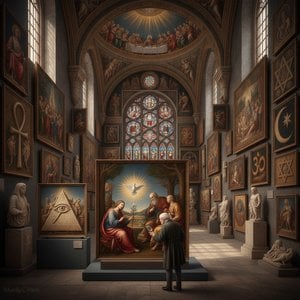
Explore the profound power of religious symbolism in art history. From Renaissance masterpieces to sacred iconography, uncover the hidden meanings behind divine details in a deep dive into classical art excellence.
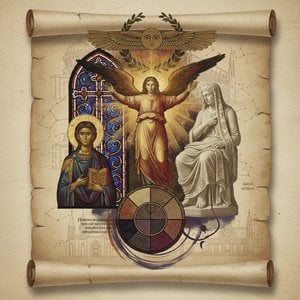
Explore the profound impact of spiritual themes in fine art. From Renaissance iconography to Baroque drama, discover how sacred symbolism and divine visions have shaped art history through a scholarly and reflective lens.

 Önizleme yap
 Paylaş
 Paylaş
 Detayları Gör

 İndir
İndir
 Benzerlerini gör
 X-Işını
 Slayt Gösterisi
 Tümünü Gör







 Cam seçeneği yalnızca 110 cm altındaki boyutlar için mevcuttur.


