

Hızlı üretim ve esnek bitiş seçenekleriyle müze kalitesinde giclée veya kanvas baskı. ( El Yapımı Tablo Satın Al Dijital Görsele Geç)





























Eserin orijinal oranlarıyla uyumlu, önceden belirlenmiş boyutlarımız arasından seçim yapın.

Çerçevenize veya duvarınıza uygun olması için ihtiyacınız olan genişlik ve yüksekliği yazın. Bir baskı yalnızca kesilebilir, görselden daha büyük hale getirilemez; bu nedenle farklı bir formdaki boyut seçimi, görselin bir kısmının kaybına neden olur. Herhangi bir baskı yapmadan önce onaylamanız için size bir dijital taslak gönderiyoruz. Bu sayfada gösterilen resim gerçek kesimi göstermez — bunu yalnızca taslak gösterir.
Dünya Çapında Teslimat (); standart 4/5 hafta yerine 2 haftada. (9 Kasım)
ceiling oculus
Reproduksiyon Boyutu
Andrea Mantegna's "Ceiling Oculus" is not merely a depiction of a painted ceiling; it’s a meticulously crafted window into the heart of Renaissance thought, a testament to the artist’s profound reverence for antiquity. Executed around 1495-1500, this remarkable work, likely commissioned for a private chapel, immediately captivates with its central oculus – a circular aperture that invites the viewer to contemplate the heavens and the divine presence within. The scene unfolds as a carefully orchestrated tableau of angels, each imbued with a sense of serene authority and classical grace, surrounding the luminous circle. Mantegna’s genius lies not just in his technical mastery but in his ability to evoke a palpable atmosphere of solemnity and spiritual contemplation.
Mantegna’s technique is characterized by its meticulous detail and precise execution. He employed oil paint on plaster, a medium that allowed for layering and glazing – essential techniques for achieving the luminous effects so characteristic of his work. Observe the subtle gradations of color, particularly in the drapery of the angels, where light plays across the fabric with remarkable realism. The artist’s attention to texture is equally impressive; from the smooth surfaces of the figures' skin to the rougher details of their garments, every element contributes to the overall sense of tangible presence. The use of gold leaf, likely applied in areas such as the oculus and certain decorative elements, would have further enhanced the painting’s splendor and symbolic significance.
The central oculus serves as a powerful symbol of divine illumination – a direct link between the earthly realm and the celestial sphere. The angels surrounding it are not simply decorative figures; they represent messengers of God, intermediaries between humanity and the divine. The inclusion of the bowl and book held by some of the angels further reinforces this religious narrative, referencing traditional symbols of charity and knowledge. The two birds, subtly placed within the composition, may have represented hope or resurrection – common motifs in Renaissance art. Mantegna’s careful arrangement of these elements creates a complex symbolic language that invites contemplation on themes of faith, redemption, and the nature of divine grace.
"Ceiling Oculus" possesses a profound emotional impact, transporting the viewer to a realm of serenity and spiritual awe. Mantegna’s masterful use of light and shadow, combined with his carefully crafted figures, evokes a sense of reverence and wonder. This painting stands as a testament to Mantegna's artistic genius and his enduring legacy as one of the most important artists of the Renaissance. A hand-painted reproduction offers an unparalleled opportunity to experience the beauty and power of this iconic work firsthand, bringing its timeless message of faith and contemplation into your home or studio.
Mantegna imzalı "ceiling oculus" eserinde, Early Renaissance akımı Rönesans dönemiyle buluşuyor.
"ceiling oculus" Calm bir duygu uyandırıyor ve hediye önerisi Wedding olarak kaydedildi.
Large boyut ve Portrait yönlendirme: Mantegna imzalı "ceiling oculus" için önerilen baskı düzeni budur.


1431 - 1506 , İtalya

Explore the profound mastery of fresco painting, from the technical alchemy of buon fresco to the legendary narratives of Renaissance masters like Ghirlandaio. Discover how this timeless medium shaped art history and continues to inspire architectural grandeur today.

Discover the timeless art of fresco painting. Explore the profound history, technical mastery of buon fresco, and the enduring legacy of Renaissance masters like Michelangelo in this expert guide to painting on wet plaster.
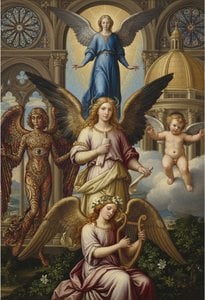
Explore the profound beauty of angelic figures in art history. From Renaissance masterpieces to celestial symbolism, our expert guide offers a sophisticated journey through the divine imagery of the Old Masters for discerning collectors and art enthusiasts.
Explore the profound beauty of Roman architecture through art history. From Piranesi's evocative engravings to classical masterpieces, discover how the grandeur of ancient Rome continues to inspire collectors and art enthusiasts worldwide.
 Gerçek Boyutta Önizle
 Paylaş
 Paylaş
 Detayları Gör
 Rehber

 İndir
İndir
 Benzer ürünler
 X-Işını
 Slayt Gösterisi
 Soru & Cevap
 İstatistikler
 Tümünü Gör









 Cam seçeneği yalnızca 110 cm altındaki boyutlar için mevcuttur.


