Amedeo Modigliani: Uzun Boyunların ve Melankolik Gözlerin Sanatçısı
İtalyan ressam ve heykeltıraş Amedeo Clemente Modigliani, 20. yüzyılın başlarındaki sanat dünyasında kendine özgü bir yer edinmiş, uzun boyunlu figürleri ve derin melankoliyle dolu gözleriyle tanınan bir isimdir. Livorno’da, 1884 yılında Yahudi kökenli bir ailede doğan Modigliani'nin hayatı, sanatsal yeteneği kadar zorluklarla da doluydu. Çocukluğu, verem ve tifüs gibi hastalıkların gölgesinde geçmiş, onu kırılganlığa karşı duyarlı hale getirmiş olabilir. Ailenin maddi durumu giderek kötüleşse de, annesi ve dedesinden aldığı Nietzsche, Baudelaire ve Lautréamont gibi düşünürlerin eserleri, onun alışılmışın dışındaki bir sanatsal anlayış geliştirmesine zemin hazırladı.
1906 yılında Paris’e yaptığı yolculuk, Modigliani'nin kariyerini şekillendiren dönüm noktası oldu. Şehir, o dönemde sanatın ve yenilikçiliğin merkeziydi. Picasso ve Brâncuși gibi dev isimlerle tanışan Modigliani, kısa süre içinde Kübizm’in katı geometrisinden uzaklaşarak daha lirik ve duygusal bir ifade arayışına girdi. Afrika heykellerinin uzamış formlarından ve İtalyan Rönesansı sanatının antik zarifliğinden ilham alarak kendine has bir stil geliştirdi. Bu sentez, onu diğerlerinden ayırıyordu.
Portrelerde Ruhun İzleri: Stil ve Yenilik
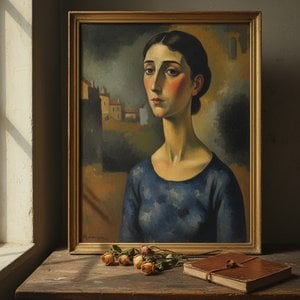
Modigliani'nin en bilinen eserleri olan portreleri, uzun boyunları, badem gözlü bakışları ve içe dönük melankolik ifadeleriyle hemen tanınır. Bu portreler sadece birer benzerlik çalışması değil, aynı zamanda insanın ruhunu derinlemesine anlamaya yönelik bir keşifti. Gereksiz detaylardan arındırılmış, temel formlara odaklanarak duyguları etkileyici bir sadelikle ifade ediyordu. Çıplak figürleri de benzer bir niteliğe sahipti; açıkça şehvetli olmaktan ziyade, zamansız bir güzellik ve varoluşsal özlem hissiyle doluydu. Heykelleri ise Afrika sanatının etkisiyle sadeleştirilmiş formları ve Brâncuși’nin minimalist yaklaşımını yansıtıyordu. 1912 yılında Salon d'Automne'de sergilediği heykeller, sert eleştirilerle karşılaştı ve büyük ölçüde kamuoyundan uzaklaştırıldı. Bu durum, Modigliani'yi derinden etkileyerek sanatsal güvensizlik dönemine soktu.
Zorlu Bir Yaşamın İzleri
Modigliani’nin hayatı, sanat yolculuğu kadar çalkantılıydı. Kariyeri boyunca yoksulluk ve bağımlılıkla mücadele etti, sık sık arkadaşları ve hayırseverlerin desteğine ihtiyaç duydu. Özellikle Polonyalı şair Leopold Zborovski'nin eşi Anna ile tanıştıktan sonra hayatında önemli bir değişiklik yaşadı. Jeanne Hébuterne ile olan ilişkisi, onun hayatının merkezinde yer aldı. Derin bir aşkla birbirlerine bağlı olsalar da, yoksulluk, Modigliani’nin kötüleşen sağlığı ve Jeanne'nin hamileliği nedeniyle üzerlerinde büyük bir baskı oluştu. 1920 yılında kızlarının doğumundan sonra yaşadığı umutsuzluk sonucu Jeanne hayatına son verdi. Sadece birkaç gün sonra ise Modigliani, tüberküloz meningit hastalığına yenik düşerek sadece 35 yaşında hayata veda etti.
Kaybedilen Bir Neslin Mirası
Ömrü boyunca yeterli takdir görmese de, Amedeo Modigliani'nin eserleri ölümünden sonra büyük bir popülerlik kazandı. Resimleri ve heykelleri yüksek fiyatlara ulaşmaya başladı ve kendine özgü stili, sonraki nesillerden birçok sanatçıyı etkiledi. Bohem yaşamın sembolü haline geldi; moderniteyle ve varoluşsal sorularla mücadele eden kayıp bir neslin zorluklarını ve zaferlerini temsil etti.
Günümüzde Modigliani'nin eserleri dünyanın dört bir yanındaki prestijli müzelerde sergileniyor. Portreleri, hala izleyicileri büyüleyici güzellikleriyle ve duygusal yankılarıyla etkilemeye devam ediyor; yaşamın özünü arayışında olan, tutkuya ve sanatsal dürüstlüğe adanmış bir hayatın dokunaklı bir hatırlatıcısı olarak kalıyor.
Önemli Eserler
- Çıplak Büst (35 x 26 cm): Modigliani'nin uzamış formlarını ve etkileyici stilini sergileyen, insan figürünün ustalıkla işlendiğini gösteren tipik bir örnektir.
- Dağınık Saçlı Yatan Çıplak: Kadınlığın özünü hassas bir dengeyle hem şehvetli hem de savunmasız bir şekilde yakalayan bir eserdir.
- Oturmuş Kadın Çıplak (92 x 60 cm): Sadeleştirilmiş şekilleri ve sakin duruşuyla kadın bedeninin güçlü bir tasviridir.
- Jeanne Hébuterne Portresi: Sevgilisi ve müzesi olan Jeanne'yi yakalayan, içten duygusal derinliği ve samimi bir bağlantıyı ortaya koyan birçok portre bulunmaktadır.



 Önizleme yap
 El yapımı tablo satın al
 Paylaş
 Paylaş
 Detayları Gör

 İndir
İndir
 Benzerlerini gör
 X-Işını
 Slayt Gösterisi
 İstatistikler


 Tümünü Gör






































 Cam seçeneği yalnızca 110 cm altındaki boyutlar için mevcuttur.