Nürnberg’in Kalbinden Yükselen Bir Deha: Albrecht Dürer'in Hayatı ve Sanat Yolculuğu
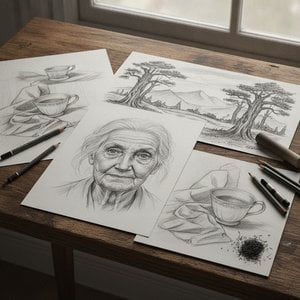
Albrecht Dürer, 15. yüzyılın sonu ve 16. yüzyılın başlarında Avrupa sanatını derinden etkileyen bir isimdir. Nürnberg’de, kuyumcu babası Albrecht Dürer the Elder’ın atölyesinde büyüyen genç Albrecht, hem zanaatkârlık geleneğini hem de sanata olan tutkusunu içinde taşıyordu. 1471 yılında doğan bu dahi, kısa sürede Nürnberg sanat sahnesinin ötesine geçerek Avrupa çapında tanınacak ve Rönesans’ın en önemli figürlerinden biri haline gelecekti. Babasının atölyesinde edindiği temel beceriler, onu genç yaşta Michael Wolgemut'un atölyesine giden bir yol açtı. Wolgemut’un yanında hem resim hem de ahşap baskı tekniklerini öğrenen Dürer, Nürnberg Kroniği gibi büyük projelerde çalışarak deneyim kazandı ve sanatsal yeteneğini geliştirdi. Bu dönemde ortaya çıkan ilk eserleri, özellikle gümüş kalemle yaptığı portreler, onun olağanüstü yeteneğinin erken bir göstergesiydi.
İtalya’nın Cazibesi ve Sanatın Evrimi
Dürer'in sanatsal yolculuğu, İtalya seyahatiyle yeni bir boyut kazandı. 1494 yılında başlayan bu keşif yolculuğu, onu Rönesans sanatının kalbine götürdü. Floransa, Venedik ve Roma gibi şehirlerde Raphael, Giovanni Bellini ve Leonardo da Vinci gibi dönemin önde gelen sanatçıların eserlerini yakından görme fırsatı buldu. İtalyan sanatının klasik formları, uyumlu kompozisyonları ve ince sfumato tekniği Dürer'i derinden etkiledi. Ancak bu etkiye rağmen, Kuzey Avrupa’ya özgü detaylara gösterdiği özen ve sembolizm anlayışından vazgeçmedi. İtalya seyahatleri, onun sanatını daha da olgunlaştırdı ve hem teknik becerilerini geliştirmesine hem de sanatsal vizyonunu genişletmesine olanak sağladı. 1505-1507 yılları arasındaki ikinci İtalya seyahati, antik Roma kalıntılarını incelemesi ve insan anatomisi konusundaki bilgisini derinleştirmesi için bir fırsat oldu. Bu iki farklı sanat anlayışını harmanlayarak Dürer, kendine özgü ve benzersiz bir tarz yarattı.
Çeşitli Ortamlarda Ustalık: Resim, Gravür ve Ahşap Baskı
Dürer, yalnızca ressam değil, aynı zamanda olağanüstü bir gravürcü ve ahşap baskı sanatçısıydı. Yağlı boya tabloları daha az sayıda olsa da, renk kullanımı ve insan psikolojisini yakalama yeteneği takdire şayandı. *Gül Çelenk Şöleni* gibi eserleri, Venedik etkilerini taşıyan canlı bir paletle dikkat çekiyor. Ancak Dürer'in gerçek ustalığı, baskı tekniklerinde kendini gösteriyordu. Ahşap baskılarla karmaşık anlatıları ve derin duyguları aktarırken, gravürler ise eşsiz bir ayrıntı ve hassasiyet sunuyordu. *Vahiy Dizisi* (1498), ahşap baskı tekniğinin sınırlarını zorlayan bir başyapıt olarak kabul edilirken, *Melankoli I* (1514) ve *Aziz Hieronymus'un Çalışması* (1514) gibi gravürleri, sembolizmle dolu karmaşık kompozisyonları ve olağanüstü teknik becerisiyle sanat tarihine adını altın harflerle yazdırdı. Dürer, sadece bir ressam değil, aynı zamanda baskı sanatının sınırlarını genişleten bir yenilikçiydi.
Teorisyen ve Yenilikçi: Albrecht Dürer'in Mirası
Dürer, sanatsal yeteneğinin yanı sıra, bir teorisyen ve düşünür olarak da öne çıktı. Sanatın altında yatan matematiksel prensipleri anlamaya çalıştı ve insan oranları üzerine yaptığı çalışmalarla sanat pratiğine bilimsel bir yaklaşım getirdi. *İnsan Oranları Üzerine Dört Kitap* (1528) adlı eseri, dönemin sanatçıları için çığır açıcı nitelikteydi. Bu eser, yalnızca akademik bir çalışma değil, aynı zamanda sanatçıların statüsünü yükseltmeyi amaçlayan bir manifesto gibiydi. Dürer'in Kuzey Avrupa geleneklerini İtalyan Rönesansı idealleriyle birleştirmesi, sanat dünyasında yeni bir sentez yarattı. Onun teknik ustalığı, yenilikçi ruhu ve derin vizyonu, nesilden nesile sanatçıları ilhamlandırmaya devam ediyor.
Etkiler ve Kalıcı Miras
- Michael Wolgemut: Dürer'in ilk hocası, resim ve ahşap baskı teknikleri konusunda temel beceriler kazandırdı.
- Leonardo da Vinci: Anatomiyi, perspektifi ve sfumato tekniğini keşfetmesinde etkili oldu.
- Raphael: Kompozisyon uyumu ve idealize edilmiş formlar konusunda ilham kaynağı oldu.
- Giovanni Bellini: Renk kullanımı ve Venedik resim gelenekleri hakkında bilgi edindi.
Dürer'in mirası, sanat tarihinin sayfalarında yaşamaya devam ediyor. Onun detaylara gösterdiği özen, baskı tekniklerindeki yenilikçiliği ve sanatsal teorilere katkıları, günümüz sanatçıları için de bir ilham kaynağı olmaya devam ediyor. Dürer, sanatı hem teknik olarak mükemmel hem de entelektüel açıdan zenginleştiren bir anlayışla temsil etti.
Eserleri, gözlem gücünün, bilginin peşinden koşmanın ve güzellik ile anlam yaratma arzusunun zamansız bir kanıtı niteliğindedir.



 Önizleme yap
 Baskı Moduna Geç
 Paylaş
 Paylaş
 Detayları Gör

 İndir
İndir
 Benzerlerini gör
 X-Işını
 Slayt Gösterisi
 İstatistikler


 Tümünü Gör






































 Cam seçeneği yalnızca 110 cm altındaki boyutlar için mevcuttur.