Konstnärsbiografi
A Life Forged in Geometry: The World of Victor Vasarely
Victor Vasarely, ungerska Győző Vásárhelyi, född 9 april 1906 i Pécs, Ungern, död 15 mars 1997 i Paris, Frankrike, var en ungersk målare och grafiker, från 1930 verksam i Frankrike. Hans konst är känd för sina geometriska abstraktioner, optiska illusioner och sin inflytande på både modern konst och design. Vasarelys resa till att bli en pionjär inom Op Art och kinetisk konst var allt annat än förutbestämd. Hans tidiga liv antydde en väg långt borta från duken; han studerade först medicin vid Eötvös Loránds universitet i Budapest. Men lockelsen av visuell expression var för stark, vilket ledde till att han lämnade medicinen för konstvärlden 1927 och gick med i Podolini-Volkmanns akademi. Detta beslut markerade inte bara en förändring i yrke utan också början på en livslång utforskning av de grundläggande principer som styr perception och form. En avgörande händelse var hans anmälan till Sándor Bortnyiks verkstad – Műhely – ett skola djupt influerad av Bauhaus-rörelsen. Här absorberade Vasarely principerna för funktionell design och geometrisk abstraktion, frö som skulle blomstra i hans signaturstil. Dessa formativa år var inte bara en fråga om att lära sig teknik; det handlade om att dekonstruera traditionella konstkonventioner och omfamna ett nytt visuellt språk rotat i logik och precision.
From Early Abstraction to the Dawn of Op Art
Senare 1920-tal och tidiga 1930-tal vittnade om Vasarelys gradvisa avståndstagande från representativ konst, när han fördjupade sig i geometrisk abstraktion. Verk som "Blått Studie" och "Grönt Studie", skapade 1929, exemplifierar denna övergång – en medveten borttagning av berättande innehåll till förmån för ren form och färgrelationer. Även om han var påverkad av mästare som Piet Mondrian och Kazimir Malevich, var Vasarely inte nöjd med att bara efterlikna deras stilar. Han sökte transcendera sina föregångares statiska kompositioner, med målet att skapa en dynamik som aktivt engagerar betraktarens perception. Detta sökande ledde honom till Paris 1930, där han etablerade sig som grafisk designer och reklamartist, finslipade sina färdigheter samtidigt som han fortsatte att utveckla sin unika konstnärliga vision. Det var under denna period som han började experimentera med tekniker som senare skulle bli kännetecken för Op Art – manipulering av former och färger för att skapa illusioner av rörelse och djup. Fröna planterades för en revolution i visuell upplevelse.
The Systematic Illusion: Defining a Movement
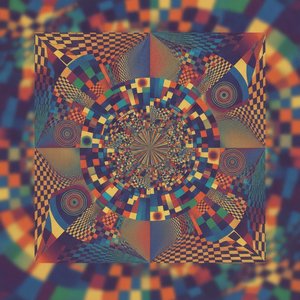
Under 1960-talet hade Victor Vasarely fullt ut etablerat sig som en ledande figur i den växande Op Art-rörelsen. Till skillnad från många konstnärer som förlitade sig på intuition och spontan uttryck, angav Vasarely sitt arbete med en distinkt systematisk metodik. Han använde rutnät och matematiska principer för att generera mönster som skapade kraftfulla optiska illusioner – visuella vibrationer, virvlande effekter och sensationer av djup där ingen fysiskt existerade. Detta handlade inte om bedrägeri; det var en fråga om att avslöja den inneboende dynamiken inom perceptionen själv. Han trodde på reproducerbarhet och bred tillgänglighet, med målet att demokratisera konsten genom att göra den tillgänglig bortom galleriernas och museernas gränser. Hans verk utmanade betraktarna att ifrågasätta sin egen visuella upplevelse, tvingande dem att aktivt delta i skapandet av mening. Denna medvetna engagemang med perception skiljde Op Art från andra rörelser och etablerade Vasarely som dess främsta företrädare. Han målade inte bara bilder; han konstruerade upplevelser.
Historical Significance and Lasting Influence
Vasarelys bidrag till konsthistorien är mångfacetterat. Han gick utöver traditionella målningstekniker för att skapa verk som aktivt engagerar betraktarens perception. Hans systematiska metodik utmanade konventionella uppfattningar om konstnärlig kreativitet och banade väg för datorgenererad konst och digital design. Genom att omfamna reproducerbarhet och kommersiella tillämpningar suddade Vasarely ut gränserna mellan fin konst och populärkultur, lämnande ett bestående intryck på både den ena och den andra. Han skapade inte bara estetiskt tilltalande objekt; han genomförde visuella experiment som avslöjade grundläggande sanningar om hur vi ser världen. Hans verk fortsätter att resonera idag, påminner oss om kraften i abstraktion, skönheten i geometri och de oändliga möjligheterna för mänsklig kreativitet. Vasarelys inflytande sträcker sig bortom konstvärlden; han har djupt påverkat grafisk design, mode, inredningsdesign och till och med tidig datorgrafik, inspirerat generationer med sin innovativa vision och hans orubbliga engagemang för att utforska möjligheterna i perception.
Key Works and Legacy
Vasarely’s artistic output spanned several decades, encompassing a vast range of works that exemplify his unique approach to visual art. Some notable examples include: "Blue Study" (1929), “Green Study” (1929), “Zebra” (1967), and the iconic “Suomi” tableware series created in collaboration with Rosenthal porcelain (1968). The Fondation Vasarely, established in Aix-en-Provence, serves as a vital resource for preserving and promoting his extensive body of work. A remarkable event – the inclusion of serigraphs aboard the French-Soviet spacecraft Salyut 7 in 1982 – symbolized the global recognition of his art and its connection to the broader human endeavor of exploration. Vasarely’s legacy remains a testament to his pioneering spirit and enduring influence on the world of modern art and design.



 Förhandsvisa
 Beställ handmålad reproduktion
 Skicka
 Dela
Dela
 Visa detaljer

 Ladda ner
 Liknande objekt
 Röntgen
 Bildspel
 Statistik
 Visa mer






































 Glasalternativet är endast tillgängligt i storlekar under 110 cm.