


 Oil On CanvasWallArtRococo
 1767Early Modern
 144.0 x 120.0 cm
Handmålad olja på duk i din valda storlek och ram, tillverkad efter beställning av våra konstnärer. ( Beställ tryck Köp högupplöst bild)





























Välj bland våra förinställda storlekar som motsvarar konstverkets ursprungliga proportioner.

Du kan ange egna mått för att passa en specifik ram eller yta. Om den valda storleken inte matchar originalbildens proportioner kommer vi antingen att beskära konstverket eller utöka målningen med ytterligare handmålade element. En digital skiss skickas till dig för godkännande innan produktionen påbörjas.
Observera att förhandsvisningen på skärmen inte återspeglar den faktiska beskärningen eller utökningen. Endast skissen visar den slutgiltiga kompositionen korrekt.
Även om anpassade storlekar är möjliga, rekommenderar vi att du väljer en dimension från den fördefinierade listan för att bevara originalproportionerna.
Leverans över hela världen () på 3–4 veckor istället för standard 5 veckor. (7 september). Inga kompromisser med kvaliteten.


The Harvest Wagon
Storlek på reproduktion
To gaze upon Thomas Gainsborough’s The Harvest Wagon is to be instantly transported to the sun-drenched, idyllic heart of the English countryside in the mid-eighteenth century. This magnificent oil on canvas, dating from around 1767, captures more than just a scene; it encapsulates a moment of communal industry and serene pastoral life. The composition centers around a rustic wagon, laden perhaps with the bounty of the season, serving as the nexus for a gathering of figures—peasants whose lives are intimately connected to the rhythm of the land. Gainsborough masterfully populates this canvas with humanity and animal life; we see the gentle guidance of a young boy leading the conveyance, while other figures interact in vignettes of daily labor. The presence of sturdy horses anchoring the scene on either side adds a vital sense of movement and robust energy, suggesting the tireless cycle of harvest time.
Stylistically, this work is a quintessential embodiment of the Rococo period's embrace of natural beauty and graceful subject matter. However, Gainsborough elevates genre painting beyond mere documentation. His technique allows the figures to possess an almost luminous quality; their drapery seems to catch the light filtering through the imagined countryside air. While the scene itself speaks of hard work—the very essence of a harvest day—there is an undeniable undercurrent of leisure and picturesque beauty that defines the Rococo sensibility. The setting, evocative of the lush environs around Bath where Gainsborough spent formative years, invites the viewer to breathe deeply and slow their own hurried pace.
For the discerning collector, the depth of meaning within this painting is as rich as its subject matter. While the immediate focus is on the bustle of the harvest, art historians often point to subtle symbolic details that enrich the narrative tapestry. The inclusion of specific objects or gestures—such as the potential symbolism surrounding a broken pitcher near a pregnant passenger in later versions—suggests themes of transition, fertility, and the continuity of life itself. Gainsborough never simply painted what he saw; he imbued his scenes with human experience, allowing viewers to project their own hopes for prosperity and renewal onto the canvas.
Owning a reproduction of The Harvest Wagon is not merely acquiring art; it is curating an atmosphere. For the interior designer or the passionate art lover, this piece serves as a breathtaking focal point, capable of transforming any room into a sanctuary reminiscent of a perfect English afternoon. The combination of Gainsborough's celebrated technique with the timeless appeal of rural life ensures that this artwork remains perpetually engaging. It is a visual poem celebrating community, nature’s bounty, and the enduring elegance found even within the most humble of labors.


1727 - 1788 , Storbritannien

Discover the breathtaking elegance of Rococo portraiture. Explore an expert guide to 18th-century mastery, from pastel palettes to aristocratic grandeur, and learn how to bring this era of opulence into your home through museum-quality oil reproductions.
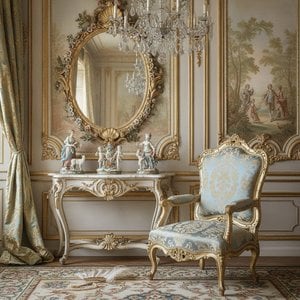
Discover the exquisite allure of Rococo art. Explore a curated guide to 18th-century French masterpieces, from Watteau to Fragonard, and learn how hand-painted oil reproductions can bring timeless elegance and luxury to your sophisticated interior design collection.

Immerse yourself in the splendor of Rococo art. Discover the era of elegance through masterworks by Watteau and Fragonard. Explore themes of romance, aristocratic leisure, and gilded ornamentation in this definitive guide to 18th-century French opulence.

Discover the profound allure of oil on canvas. Explore the mastery of impasto textures, the science of pigment longevity, and expert guides to selecting museum-quality reproductions that elevate your collection with timeless elegance and tactile depth.

 Förhandsvisa
 Skicka
 Dela
Dela
 Visa detaljer

 Ladda ner
 Liknande objekt
 Röntgen
 Bildspel
 Visa mer







 Glasalternativet är endast tillgängligt i storlekar under 110 cm.


