Få en utskriftsfärdig fil som vida överträffar webbförhandsvisningen. Varje digital bild vi säljer kommer från en högupplöst master i vår bilddatabas – vanligtvis mellan 5 000 och 15 000 pixlar bred – så att du med trygghet kan göra stora utskrifter, beskära tätt eller återge fina detaljer.
Ingen fil lämnar vår studio utan att ha bearbetats. En digital expert kontrollerar färgerna mot originalmålningen och korrigerar dem vid behov, för att sedan förbättra skärpa och detaljrikedom med professionella retuscheringsverktyg — alltid med full respekt för konstnärens penseldrag och stil. Resultatet är en bild som ser ut som målningen, inte som en filtrerad skanning.
Du godkänner innan arbetet slutförs: vår expert skickar bilden via e-post inom 72 timmar för din granskning. Inte nöjd? Be om förbättringar eller korrigeringar, eller begär återbetalning om kvaliteten inte lever upp till förväntningarna.
Detta är den kvalitet som förlag, designstudior, gallerier och tryckerier litar på.
Ladda ner en högupplöst fil för personlig visning, utskrift och kreativa projekt. ( Byt till tryck Beställ handmålad reproduktion)
När du väljer WahooArt.com får du inte bara en bild – du får ett professionellt förädlat digitalt konstverk, skapat med precision och med en garanterad tillfredsställelse. Här är allt som ingår i din beställning, automatiskt:
Din högupplösta digitala bild skickas till dig via e-post inom 72 timmar efter beställning – redo för omedelbar användning.
Ditt konstverk optimeras professionellt med hjälp av avancerade AI-verktyg och manuell redigering, vilket garanterar maximal detaljrikedom, skärpa och färgnoggrannhet.
Har du råkat radera eller tappa bort din fil? Ingen oro – vi skickar den kostnadsfritt till dig när som helst.
Njut av ditt konstverk omedelbart utan tull, importavgifter eller leveranskostnader – digitala nedladdningar är alltid skattefria.
Vi säkerställer att din digitala bild återger de ursprungliga färgerna så exakt som möjligt med hjälp av professionella verktyg och färghantering.
Om du inte är nöjd med din digitala bild kommer vi att revidera den eller återbetala 100% inom 100 dagar – utan frågor.
Inte nöjd? Få full återbetalning inom 100 dagar efter att du mottagit din digitala fil – utan frågor.
Köp 3 bilder, spara 10% – Köp 5, spara 15% – Köp 10+, spara 20%. Perfekt för kreativa projekt, gallerier och byråer.
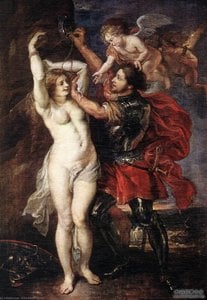
Sir John Everett Millais's “The Knight Errant,” completed in 1870, is a profoundly evocative work that immediately transports the viewer to the heart of Romanticism. Measuring 136 x 184 cm, this oil on canvas isn’t merely a depiction of a knight and a woman; it’s an intensely felt exploration of vulnerability, protection, and the enduring power of nature – themes central to the Pre-Raphaelite movement.
The scene depicts a knight, clad in gleaming armor, standing beside a naked woman. This juxtaposition is deliberately unsettling, radiating both chivalric duty and profound exposure. The woman’s expression, often interpreted as one of distress or discomfort, adds another layer to the painting's complex narrative. Millais masterfully utilizes light and shadow, creating a palpable sense of tension that draws the eye across the canvas, focusing on the stark contrast between the knight’s rigid form and the woman’s delicate vulnerability.
Millais was a pivotal figure in the Pre-Raphaelite movement, a group fiercely dedicated to rejecting the idealized forms and artificiality that had come to dominate academic art. Inspired by the clarity, detail, and emotional honesty of early Italian masters – notably Giotto and Duccio – Millais sought to return to a more direct engagement with reality. “The Knight Errant” exemplifies this approach perfectly. The artist’s meticulous technique is immediately apparent in the rendering of the knight's armor—each plate painstakingly detailed, reflecting light with a remarkable realism that suggests a sculptor’s eye. Similarly, the woman’s skin tones are rendered with an almost photographic precision, capturing subtle variations and textures that contribute to her palpable vulnerability.
The central figures—the knight and the woman—represent opposing forces, embodying themes of protection versus vulnerability, strength against weakness. The setting – a tree-lined area – serves to heighten the drama, contrasting the human conflict with the enduring power of nature. Some scholars interpret the scene as an allegory for the loss of innocence or the corruption of ideals. The knight’s armor, while representing order and defense, also suggests confinement and restriction, mirroring the woman's state of vulnerability.
Painted in 1870, “The Knight Errant” reflects a period of significant social and artistic change. The Victorian era was marked by both rapid industrialization and a renewed interest in medieval chivalry and romantic ideals. Millais’s work aligns with this cultural fascination while simultaneously challenging conventional representations of heroism and beauty. His dedication to meticulous detail and emotional honesty cemented his legacy as one of the most important artists of the Pre-Raphaelite movement, influencing generations of painters who followed.
Se diaporamat för "The Knight Errant" på konstverkets sida Bildspel.
"The Knight Errant" av John Everett Millais är daterat till 1870 och tillhör Pre-Raphaelite Brotherhood.
På sidan Förhandsvisning för "The Knight Errant" kan du förhandsgranska konstverket innan du beställer.


1829 - 1896 , Storbritannien
 Förhandsvisa
 Skicka
 Dela
Dela
 Visa detaljer
 Guide
Guide

 Ladda ner
 Liknande objekt
 Röntgen
 Bildspel
 Frågor och svar
 Statistik

 Visa mer