x
FörhandsvisaFörhandsvisa Förhandsgranska i ARFörhandsgranska i AR Beställ tryck Beställ tryckKöp högupplöst bild Köp högupplöst bild SkickaSkicka
Visa detaljerVisa detaljer Lägg till i favoriter Lägg till i favoriter Ladda nerLadda ner Liknande objektLiknande objekt RöntgenRöntgen BildspelBildspel

Danae

Experience Orazio Gentileschi's dramatic 'Danae,' a Baroque masterpiece depicting Zeus’s divine encounter with Danaë, showcasing rich textures and captivating mythological drama.

Orazio Gentileschi var en italiensk barockmålare som utvecklade en unik stil efter Caravaggio – dramatiska kompositioner, ljusa färger och elegant grace. Känd för bibliska och mytologiska motiv samt sin inflytande på den engelska barocken.

Handgjord oljereproduktion

Handmålad olja på duk i din valda storlek och ram, tillverkad efter beställning av våra konstnärer. (Beställ tryck Beställ tryckKöp högupplöst bild Köp högupplöst bild)

P118B $10
P118H $10
P118W $10
P438Z $10
P508JH $12
P508YH $12
P805H $10
P805Z $10
P919BZ $10
P919G $10
P919XJ $10
P959ZH $10
P968JZ $12
W106C $8
W218G $10
W218JH $8
W218Y $10
W307PJ $10
W316G $10
W316PJ $8
W316Y $10
W398PJ $8
W4111J $10
W500HY $15
W500JH $15
W692G $12
W849H $8
W940BG $15
W953PJ $8

Standard
custom
CM
INCH

Välj bland våra förinställda storlekar som motsvarar konstverkets ursprungliga proportioner.

bredd
höjd

Du kan ange egna mått för att passa en specifik ram eller yta. Om den valda storleken inte matchar originalbildens proportioner kommer vi antingen att beskära konstverket eller utöka målningen med ytterligare handmålade element. En digital skiss skickas till dig för godkännande innan produktionen påbörjas.
Observera att förhandsvisningen på skärmen inte återspeglar den faktiska beskärningen eller utökningen. Endast skissen visar den slutgiltiga kompositionen korrekt.
Även om anpassade storlekar är möjliga, rekommenderar vi att du väljer en dimension från den fördefinierade listan för att bevara originalproportionerna.

Exempel på vad som kan anpassas: Byt ut ansiktet mot ett foto av kunden; Lägg till ett husdjur (t.ex. byt ut en katt mot en hund); Inkludera ett dolt meddelande i bakgrunden; Ändra bakgrundens landskap eller element.
Efter beställning kommer WahooArt.com team att mejla kunden för instruktioner och tillhandahålla en skissförhandsvisning

Leverans över hela världen () på 3–4 veckor istället för standard 5 veckor. (26 augusti). Inga kompromisser med kvaliteten.

why_choose_icon
Fri expressfrakt över hela världen
why_choose_icon
Högkvalitativ linnecanvas
why_choose_icon
Fullständig fraktförsäkring
why_choose_icon
Garantier för återbetalning av tullavgifter
why_choose_icon
Garantier för exakt färgåtergivning
why_choose_icon
60 dagars returrätt (endast vid fabrikationsfel)
why_choose_icon
100% pengarna tillbaka-garanti
why_choose_icon
Mängdrabatt erbjuds

Totalpris

$ 272

reproduction

Danae

Reproduktionsmedium

Storlek på reproduktion

-

Slutgiltigt pris

$ 272

Snabbfakta

  • Movement: Baroque
  • Influences: Caravaggio
  • Notable elements: Zeus's golden shower
  • Subject or theme: Mythological story
  • Artistic style: Italian Baroque
  • Medium: Oil on canvas
  • Year: 1621

Konstquiz

Det finns endast ett korrekt svar på varje fråga.

Fråga 1:
What mythological story does Orazio Gentileschi’s ‘Danae’ depict?
Fråga 2:
Which artistic movement heavily influenced Orazio Gentileschi’s style in ‘Danae’?
Fråga 3:
What is depicted as falling from the sky in the painting, symbolizing Zeus’s intervention?
Fråga 4:
Who painted a similar depiction of Danaë, showcasing a different approach to the subject?
Fråga 5:
In what museum is Orazio Gentileschi’s ‘Danae’ currently housed?

Beskrivning av konstverket

Danaë by Orazio Gentileschi: A Baroque Embrace of Myth and Divine Intervention

Orazio Gentileschi’s 1623 painting, *Danaë*, is more than just a depiction of a classical myth; it's a profound meditation on fate, beauty, and the transformative power of divine grace. Housed within the J. Paul Getty Museum in Los Angeles, this oil-on-canvas masterpiece stands as a testament to Gentileschi’s mastery of Baroque technique and his ability to infuse historical narrative with deeply felt emotion. The painting immediately captivates with its dramatic lighting – a hallmark of Caravaggio's influence – which sculpts the figures and creates an atmosphere of both vulnerability and opulent splendor.

At the heart of the composition lies Danaë, a young woman lying on her bed, draped in a sheer veil that hints at both modesty and impending revelation. Her arms are outstretched, a gesture simultaneously of surrender and anticipation. Above her, a cascade of golden coins – representing Zeus’s divine intervention – rains down upon the mattress, transforming the scene into a shimmering tableau of mythic birth. The artist skillfully renders the texture of the fabric, the weight of the gold, and the delicate curve of Danaë's body, demonstrating an exceptional command of form and detail. Notice how Gentileschi avoids idealization; Danaë is not a goddess but a mortal woman caught in the throes of a miraculous event.

The Myth Unveiled: A Story of Divine Desire

The narrative depicted is rooted in Greek mythology, recounting the story of Danaë, daughter of King Aegyptus and the sea nymph Calliope. Faced with unwanted suitors, Aegyptus sought to protect his daughter by imprisoning her in a tower. Zeus, disguised as a shower of golden rain, descended into the tower and impregnated Danaë, resulting in the birth of Perseus, the legendary hero. The painting captures this pivotal moment – not the act of conception itself, but its immediate aftermath: the arrival of divine grace and the promise of a new life.

The symbolism is layered and rich. The golden rain isn’t merely a visual spectacle; it represents Zeus's power and his ability to transcend mortal boundaries. Danaë’s pose – vulnerable yet receptive – speaks to her acceptance of this extraordinary destiny. The presence of Eros, the god of love, pulling aside the curtain symbolizes the initiating force behind the divine intervention, highlighting the role of desire and fate in shaping human experience.

Baroque Drama: Light, Shadow, and Movement

Gentileschi’s technical skill is evident throughout *Danaë*. He masterfully employs chiaroscuro – the dramatic contrast between light and shadow – to create a sense of depth and movement. The golden light emanating from the coins illuminates Danaë's face and body, while the surrounding areas remain shrouded in darkness, intensifying the drama of the scene. The artist’s brushwork is loose and expressive, conveying a feeling of immediacy and dynamism. Observe how he captures the swirling motion of the falling gold, creating an almost palpable sense of energy.

Furthermore, Gentileschi's use of color is particularly noteworthy. The rich hues of red, gold, and blue create a vibrant and luxurious atmosphere, reflecting the opulence associated with the gods. The subtle variations in tone contribute to the painting’s overall visual harmony, drawing the viewer’s eye through the composition.

A Legacy of Female Strength: Artemisia's Connection

Interestingly, *Danaë* is believed to be a reworking of an earlier painting by Gentileschi’s daughter, Artemisia Gentileschi, who also depicted the same subject. This suggests a close artistic relationship and a shared interest in exploring themes of female agency and divine intervention within a mythological context. Artemisia's own work often featured strong, independent women confronting adversity with courage and resilience – qualities that resonate powerfully in *Danaë*. Studying both paintings offers valuable insights into the evolving artistic sensibilities of the Gentileschi family and their contribution to the Baroque movement.

Today, *Danaë* remains a captivating masterpiece, inviting viewers to contemplate the complexities of myth, beauty, and the enduring power of divine grace. It’s a painting that speaks not only to the grandeur of ancient Greece but also to the timeless human experience of desire, fate, and transformation.


Konstnärsbiografi

A Tuscan Dawn: The Life and Art of Orazio Gentileschi

Born in 1563 amidst the rolling hills of Tuscany, Orazio Gentileschi embarked on a journey that would see him become a pivotal figure in the transition from Mannerism to Baroque painting. Initially known as Orazio Lomi, he gravitated towards Rome, then the epicenter of artistic innovation, where he honed his skills within the workshops of Cola dell’Amata and absorbed the architectural sensibilities of Francesco da Sangallo. These early influences instilled in him a meticulous attention to form and composition, characteristics that would remain hallmarks of his style even as it dramatically evolved. Gentileschi’s initial work often involved contributing figures to larger decorative schemes conceived by other artists – a formative experience that taught him collaboration and adaptability, yet also hinted at a burgeoning ambition for independent expression. He began his career assisting in the creation of elaborate frescoes and altarpieces, learning the intricacies of perspective, color theory, and the skillful rendering of human anatomy—skills he would later master with remarkable precision.

Embracing the Shadow: Caravaggio's Influence and Artistic Development

The turn of the 17th century marked a turning point in Gentileschi’s artistic trajectory. The revolutionary naturalism of Caravaggio burst onto the Roman art scene, challenging established conventions with its dramatic use of light and shadow – *tenebrism* – and unflinching realism. Gentileschi was profoundly affected by this seismic shift, adopting elements of Caravaggio's style into his own work. However, he wasn’t merely an imitator; rather, he filtered Caravaggio’s innovations through his existing artistic sensibilities. While retaining the dramatic intensity, Gentileschi softened the harshness of Caravaggio’s *tenebrism*, introducing a lighter palette and a more refined approach to detail. This resulted in paintings that possessed both emotional power and elegant grace – a unique synthesis that distinguished him from his contemporaries. Biblical scenes and mythological narratives became frequent subjects, allowing Gentileschi to explore themes of faith, heroism, and human vulnerability with compelling visual storytelling. His compositions often featured dynamic diagonals and swirling drapery, creating a sense of movement and drama—a hallmark of the Baroque style.

A Courtly Wanderer: From Paris to London

Gentileschi’s artistic reputation extended beyond Italy's borders. His talent attracted the patronage of powerful figures, leading him on a peripatetic journey through Europe. He spent time at the court of Marie de' Medici in Paris, where his refined style resonated with the Queen’s taste for elegance and sophistication. This period saw a further evolution in his work, characterized by increasingly elaborate compositions and a heightened sense of decorum. He became known for his ability to capture the nuances of aristocratic life—portraits that revealed not only physical likeness but also personality and social standing. However, it was his invitation to England in 1626 that would define the final chapter of his career. Appointed court painter to Charles I, Gentileschi became one of the first major exponents of Caravaggism in Britain, significantly influencing the development of English Baroque painting. He undertook ambitious projects, including a series of ceiling paintings for Greenwich Palace (now Marlborough House), showcasing his mastery of large-scale decorative schemes and solidifying his position as a leading artist of his time. His work during this period often reflected the grandeur and formality of the English court, blending Italian artistic traditions with British sensibilities.

Key Works and Artistic Style

Gentileschi’s oeuvre is characterized by a remarkable versatility—a mastery of both narrative and portraiture. His paintings frequently depict scenes from the Bible, classical mythology, and allegorical subjects, each imbued with a profound sense of drama and emotion. Notable works include “Danae,” a powerful depiction of Zeus's abduction of the mythological queen, and "The Annunciation," showcasing his skill in capturing delicate gestures and expressions. His style is often described as Baroque, yet it retains elements of Mannerism—a testament to his artistic evolution. He was particularly adept at using *chiaroscuro* – the dramatic contrast between light and dark – to create a sense of depth and volume, drawing the viewer’s eye to key figures within the composition. His use of color was vibrant and rich, often employing warm tones to evoke feelings of passion and intensity.
  • Major Works: “Danae”, "The Annunciation", “Judith and Holofernes”
  • Key Influences: Mannerism, Caravaggio, Francesco da Sangallo
  • Artistic Style: Baroque, Dramatic compositions, Bright colors, *Chiaroscuro*

Legacy and Lasting Impact

Orazio Gentileschi’s contributions to the world of art are multifaceted. He bridged the gap between Mannerism and Baroque, absorbing the innovations of Caravaggio while forging his own distinctive style. His use of vibrant colors, dramatic compositions, and refined technique influenced a generation of artists across Europe. He was instrumental in introducing Caravaggism to England, leaving an indelible mark on the artistic landscape there. But perhaps his most enduring legacy lies in his daughter, Artemisia Gentileschi. Trained in her father’s studio, she emerged as one of the most celebrated female painters of the Baroque era, carrying forward the family's artistic tradition and achieving renown in her own right. Today, Gentileschi’s works are held in prestigious museums and galleries worldwide – from the Uffizi Gallery in Florence to the Accademia Gallery in Venice – testaments to his enduring brilliance and lasting impact on the history of art. His paintings continue to captivate viewers with their emotional depth, technical virtuosity, and timeless beauty.
Orazio Gentileschi

Orazio Gentileschi

1563 - 1639 , Italien

Kortfakta

  • Artistic Movement Or Style: Barock, Caravaggism
  • Artists Or Movements Influenced By This Artist:
    • Mannerism
    • Toscana
  • Artists Who Influenced This Artist:
    • Caravaggio
    • Francesco da Sangallo
  • Date Of Birth: 1563
  • Date Of Death: 1639
  • Full Name: Orazio Gentileschi
  • Nationality: Italienare
  • Notable Artworks:
    • Danae
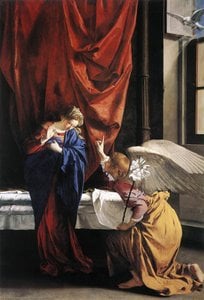
    • Annunciation
    • Jungfru Maria
  • Place Of Birth: Toscana, Italien
Utforska konstverk sorterade efter tema, stil och egenskaper.