
Sälj med oss


x
-
Köp
Skräddarsydda oljemålningar Skräddarsydda konsttryck Förvandla ditt foto till ett konstnärligt mästerverk Utforska efter tema Sök efter rumstyp Inredningsassistent: Vardagsrum Inredningsassistent: Kontor Sök efter tillfälle Köp lagerförda målningarUpptäck våra unika verk Utforska partnerateljéer Få personliga konsttips helt gratis Samlarguide: Så väljer du ditt första mästerverk Guide till inredning med konstreproduktioner Presenttjänster och alternativ Guide för konstgåvor till företag Min varukorg Min instrumentpanel, Favoriter, Mina beställningar
-
Konstnärer
Alla konstnärer De 100 mest kända konstnärerna Efter konstperioder Alfabetiskt Alla typer av konstformer Alla tekniker Sortera efter födelseland Efter historisk epok Efter stämning Efter känslomässiga toner Efter kreativa faserSortera efter färgskala Efter födelseår Efter färginensitet Efter verkets sammanhang Berömda konstnärer som förändrade världen De kvinnliga konstnärernas framväxt Renässansmästarna Beställ ditt unika konstverk idag Så arbetar vi med privata samlare Utveckling av konstnärsportföljer för företagskunder
- Konstverk
- Medium & stilar
- Museer
- Artiklar
-
Tjänster
Från foto till målning Från foto till konsttryck Ditt foto som ett mästerverk Konstconcierge Begär offert Exklusiva VIP-beställningar Konstvärdering och expertis Sälj som galleri Gratis konstkurering Få kostnadsfria konstförslag Från foto till målning: Resan mot ett personligt porträtt Målningsprocessen steg för steg

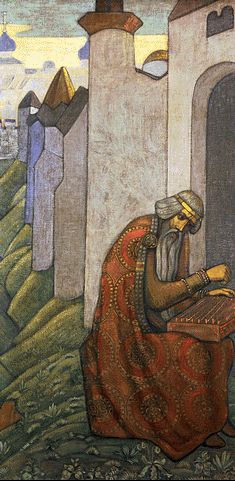
 Förhandsvisa
 Beställ handmålad reproduktion
 Skicka
 Dela
Dela
 Visa detaljer

 Ladda ner
 Liknande objekt
 Röntgen
 Bildspel


 Visa mer






































 Glasalternativet är endast tillgängligt i storlekar under 110 cm.





