

Konstverket som visas på denna sida skyddas av upphovsrättslagen, vilket innebär att vi inte lagligt kan skapa eller sälja en identisk reproduktion. Detta skydd upprätthålls genom internationella avtal såsom den Bernkonventionen och genom nationella lagar, inklusive de som fastställs av Amerikansk upphovsrättslag – Titel 17. Alla rättigheter förbehållna. Återgivning av konstverk är förbjuden utan skriftligt tillstånd från WahooArt.
Denna metod följer fullt ut upphovsrättsliga regler eftersom den inte innebär kopiering eller duplicering av det skyddade konstverket. Istället är det en kreativ nytolkning – en ny målning som är influerad av originalet men inte identisk med det.
Giclée- eller canvasprint av museumskvalitet med snabb produktion och flexibla ytbehandlingsalternativ. ( Beställ handmålad reproduktion Byt till digital bild)





























Välj bland våra förinställda storlekar som motsvarar konstverkets ursprungliga proportioner.

Ange den bredd och höjd du behöver för att passa din ram eller vägg. Ett tryck kan endast beskäras, aldrig göras större än originalbilden, vilket innebär att ett format med en annan proportion leder till att en del av bilden går förlorad. Vi skickar en digital mockup för godkännande innan vi påbörjar tryckningen. Bilden som visas på denna sida visar inte den faktiska beskärningen — det är endast mockuppen som gör det.
Leverans över hela världen () på 2 veckor istället för standard 4/5 veckor. (31 oktober)
The Pugilist
Storlek på reproduktion
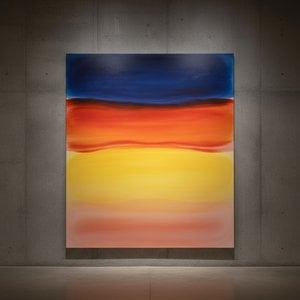
Mark Rothko's “The Pugilist,” painted in 1933, stands as a testament to the burgeoning spirit of Abstract Expressionism and its exploration of profound human emotion. More than just a depiction of three men engaged in conversation around a dining table—though that visual element certainly contributes to the scene’s atmosphere—the painting delves into themes of camaraderie, vulnerability, and perhaps even unspoken tension within a carefully constructed space.
The historical context surrounding “The Pugilist” is crucial to understanding its significance. Created during the early years of Rothko’s artistic career, it reflects the anxieties and uncertainties prevalent in Europe following the Great Depression. The artist himself described his intention as striving to express "the immensity of human suffering," a sentiment powerfully conveyed through the painting's subdued palette.
Symbolism: While Rothko deliberately avoided explicit symbolism—rejecting any preconceived notions of narrative—the colors themselves carry considerable weight. The reds and oranges evoke warmth, passion, and perhaps even aggression, subtly mirroring the dynamics between the men in the room. Simultaneously, their muted tones convey a sense of melancholy and contemplation, inviting viewers to grapple with existential questions about life’s complexities.
Ultimately, “The Pugist” succeeds in capturing a fleeting moment of human connection against a backdrop of quiet introspection. Rothko's masterful use of Color Field painting elevates the artwork beyond mere visual representation, transforming it into an emotionally resonant experience that continues to captivate audiences today. Its enduring appeal lies in its ability to provoke contemplation and evoke feelings of empathy—a remarkable achievement for an artist committed to conveying universal truths through abstract form.
På sidan Förhandsvisning för "The Pugilist" kan du förhandsgranska konstverket innan du beställer.
I "The Pugilist" möts man av en Calm stämning och en Reflective känsla.
Färgerna i "The Pugilist" utgör en Earthy palett. Denna klassificering beskriver de dominerande färggrupperna.

1903 - 1970 , Lettland

Utforska de 10 mest inflytelserika verken inom abstrakt expressionism – från Rothkos färgfält till Pollocks action painting. Lär känna konstnärerna och deras teknik. Hitta museumskvalitativa tryck på WahooArt.com och förvandla ditt hem med tidlös konst!
Explore the profound emotional depth of Mark Rothko's abstract expressionism. Discover the history, techniques & lasting impact of this pivotal Color Field painter. Expert insights for collectors and art enthusiasts.

Explore the profound history and emotional depth of Color Field painting. From Mark Rothko to Barnett Newman, discover how pure color redefined modern art through our expert-led guide for students and collectors alike.

Utforska Mark Rothkos 25 mest ikoniska målningar – en djupdykning i abstrakt expressionism och färgfältets psykologi. Upptäck historien bakom varje mästerverk och hitta inspiration till ditt hem med WahooArt.coms exklusiva konsttryck.

Explore the profound emotional depth of Color Field painting. Discover the history of mid-century abstraction, from Rothko to Newman, and learn how pure color transforms the viewer's experience through our expert art history guide.
 Förhandsvisa
 Skicka
 Dela
Dela
 Visa detaljer
 Guide
Guide

 Ladda ner
 Liknande objekt
 Röntgen
 Bildspel
 Q&A
Q&A Statistik
 Visa mer









 Glasalternativet är endast tillgängligt i storlekar under 110 cm.


