x
Akryl på duk
Väggkonst
Fauvism and Primitivism
1933
102.0 x 169.0 cmGiclée- eller canvasprint av museumskvalitet med snabb produktion och flexibla ytbehandlingsalternativ.
Välj bland våra förinställda storlekar som motsvarar konstverkets ursprungliga proportioner.
Du kan ange egna mått för att passa en specifik ram eller yta. Om det valda måttet inte överensstämmer med originalbildens proportioner kommer vi antingen att beskära konstverket eller utöka bilden med en speglad eller enfärgad kant. En digital mockup skickas för ditt godkännande innan produktionen påbörjas.
Vänligen notera att förhandsvisningen på skärmen inte återspeglar den faktiska beskärningen eller utökningen. Endast mockuppen visar den slutgiltiga kompositionen korrekt.
Även om anpassade storlekar är möjliga, rekommenderar vi att du väljer ett mått från den fördefinierade listan för att bevara de ursprungliga proportionerna.
Leverans över hela världen () på 2 veckor istället för standard 4/5 veckor. (3 juli)
Solitude
Storlek på reproduktion
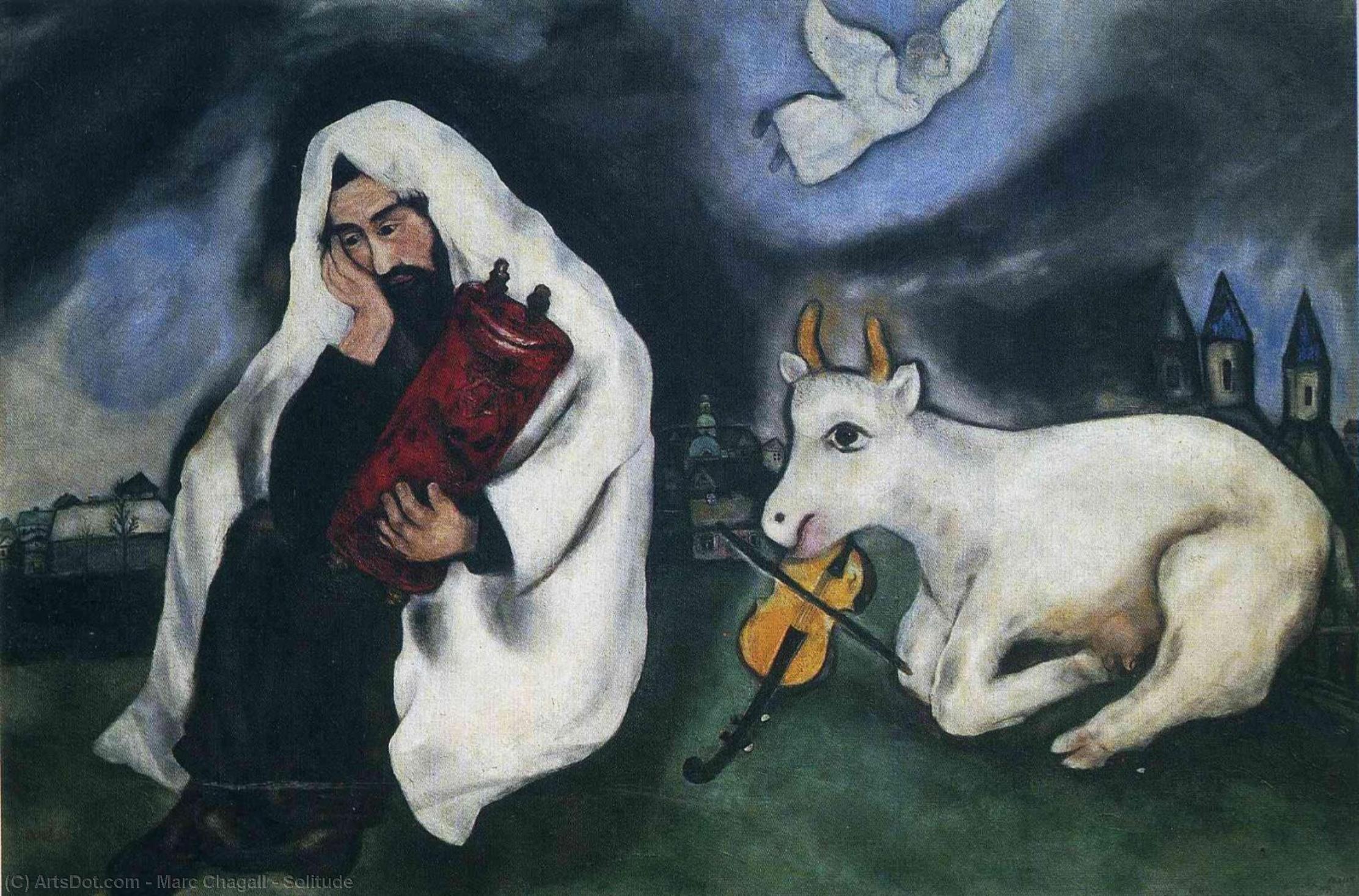
Marc Chagall's "Solitude," painted in 1933, isn’t merely a depiction of a man seated on the ground; it’s a profound meditation on faith, loss, and the enduring spirit of a people facing an uncertain future. Housed within the Tel-Aviv Museum of Art, this work transcends its physical dimensions to become a poignant emblem of Jewish culture during a period of escalating anti-Semitism in Europe. Chagall, deeply rooted in his Eastern European heritage, masterfully employs the techniques of Fauvism – characterized by bold, expressive colors – yet tempers their intensity with a deliberate restraint, creating an atmosphere of contemplative melancholy that draws the viewer into the scene’s quiet drama.
The painting immediately commands attention through its arresting palette. Deep blues and purples dominate the background, suggesting both the vastness of the heavens and the shadows of impending doom. These somber hues are punctuated by vibrant reds – a color laden with symbolic weight within Jewish tradition, representing blood, sacrifice, and divine power. The man in the long robe, rendered in muted browns and greys, is positioned centrally, his head bowed in an act of profound introspection. His posture speaks volumes: not of despair, but of a quiet acceptance, a bearing born from years of hardship and perhaps, a deep connection to something beyond the visible world.
“Solitude” is rich with symbolic elements that invite layered interpretation. The goat lying before the man isn’t simply an animal; it's a deliberate reference to the sacrificial animals offered in ancient Jewish rituals, subtly hinting at themes of atonement and remembrance. The Torah scroll, prominently displayed, represents the core tenets of Judaism – law, tradition, and divine guidance. A customary headpiece, worn by the man, further anchors him within his cultural identity. Notably, a figure resembling a historical rabbi is depicted, embodying wisdom and leadership, yet also conveying a sense of vulnerability and weariness.
The inclusion of God’s messenger – often interpreted as an angel – soaring above adds a layer of spiritual significance. This celestial being doesn't offer comfort or intervention; instead, it observes the scene with a detached serenity, mirroring the man’s solitary contemplation. Even the setting itself contributes to the painting’s symbolic weight: the blurred outlines of buildings in the background evoke a sense of displacement and the loss of home – a common experience for many Jewish families fleeing persecution during this era. The violin, resting nearby, is a poignant reminder of lost joy and creative expression, suggesting a life once filled with music now overshadowed by sorrow.
Painted in 1933, “Solitude” directly reflects the rising tide of anti-Semitism sweeping across Europe. The rise of the Nazi party in Germany and the increasing hostility towards Jewish communities created a climate of fear and uncertainty. Chagall himself witnessed firsthand the dangers of intolerance – his friend was assaulted in Poland for his religious beliefs just a year prior. This experience fueled his desire to capture the resilience and cultural richness of the Jewish people amidst this turbulent period. The painting, therefore, becomes more than just a personal reflection; it’s a powerful statement against prejudice and a testament to the enduring strength of identity.
It's important to note that Chagall’s work was met with resistance from conservative authorities who sought to control artistic expression. However, his unique vision prevailed, cementing his place as one of the most significant artists of the 20th century. “Solitude” stands as a testament to this legacy – a hauntingly beautiful and deeply moving portrayal of faith, loss, and the enduring spirit of a people.
1887 - 1985 , Belarus
Berätta om ditt projekt så kommer våra konstexperter att ge dig 3 personliga konstförslag.
Vi skapar ett urval av 3 alternativ helt anpassat för dig – gratis!