x
FörhandsvisaFörhandsvisa Förhandsgranska i ARFörhandsgranska i AR Beställ tryck Beställ tryckBeställ handmålad reproduktion Beställ handmålad reproduktion SkickaSkicka
Visa detaljerVisa detaljer Lägg till i favoriter Lägg till i favoriter Ladda nerLadda ner Liknande objektLiknande objekt RöntgenRöntgen BildspelBildspel

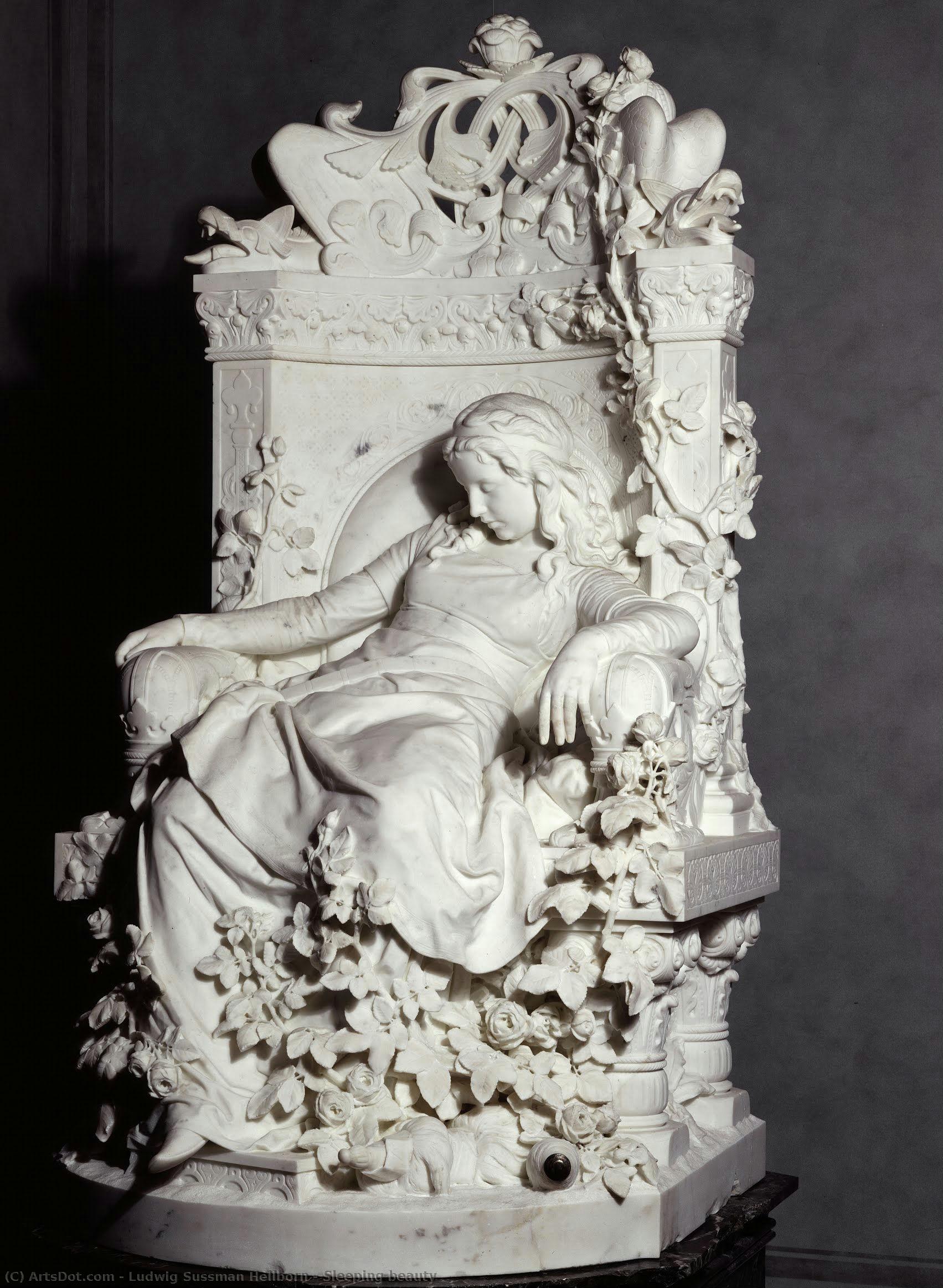
Sleeping beauty

Ludwig Sussmann-Hellborn (1828-1908) was a renowned German sculptor & painter, known for allegorical works, enamel designs & museum contributions. Explore his sculptures like 'Sleeping Beauty' and legacy at the Old National Gallery.

Köp en högupplöst, förbättrad digital bild med betydligt högre kvalitet än förhandsvisningen online.

Varje fil är noggrant förberedd av våra interna specialister med hjälp av avancerade verktyg och professionell manuell retuschering. Vi säkerställer att varje bild har exceptionell skärpa, exakt färgåtergivning och fina detaljer.

Den slutgiltiga filen levereras via e-post inom 72 timmar, optimerad för omedelbar användning i professionella sammanhang, redaktionellt bruk och tryckmiljöer. Detta är samma kvalitet som med förtroende används av ledande designstudior, förlag och gallerier.

Digital bild

Ladda ner en högupplöst fil för personlig visning, utskrift och kreativa projekt. (Beställ tryck Beställ tryckBeställ handmålad reproduktion Beställ handmålad reproduktion)

Totalpris

$ 24,90

Ingår i varje beställning av digital bild

Professionell digital leverans, garanterad

När du väljer WahooArt.com får du inte bara en bild – du får ett professionellt förädlat digitalt konstverk, skapat med precision och med en garanterad tillfredsställelse. Här är allt som ingår i din beställning, automatiskt:

shipping_icon
Snabb leverans via e-post

Din högupplösta digitala bild skickas till dig via e-post inom 72 timmar efter beställning – redo för omedelbar användning.

canvas_icon
AI-förbättrad digital bild

Ditt konstverk optimeras professionellt med hjälp av avancerade AI-verktyg och manuell redigering, vilket garanterar maximal detaljrikedom, skärpa och färgnoggrannhet.

insurance_icon
Gratis livstidsåterutskick

Har du råkat radera eller tappa bort din fil? Ingen oro – vi skickar den kostnadsfritt till dig när som helst.

tax_icon
Inga importavgifter – någonsin

Njut av ditt konstverk omedelbart utan tull, importavgifter eller leveranskostnader – digitala nedladdningar är alltid skattefria.

color_icon
Garanterad färgåtergivning

Vi säkerställer att din digitala bild återger de ursprungliga färgerna så exakt som möjligt med hjälp av professionella verktyg och färghantering.

return_icon
60 dagars nöjdhetsgaranti

Om du inte är nöjd med din digitala bild kommer vi att revidera den eller återbetala 100% inom 60 dagar – utan frågor.

guarantee_icon
100% pengarna-tillbaka-garanti

Inte nöjd? Få full återbetalning inom 60 dagar efter att du har tagit emot din digitala fil – utan frågor och diskussioner.

discount_icon
Rabatt vid storköp

Köp 3 bilder, spara 10% – Köp 5, spara 15% – Köp 10+, spara 20%. Perfekt för kreativa projekt, gallerier och byråer.


Konstnärsbiografi

The Sculptor's Vision: The Life and Legacy of Ludwig Sussmann-Hellborn

Ludwig Sussmann-Hellborn (1828–1908) remains a luminous figure in the tapestry of nineteenth-century German art, a creator whose hands moved with equal grace between the fluid strokes of a painter's brush and the resolute chisel of a sculptor. Born in Berlin into a Jewish family of modest origins, his journey was one of profound cultural synthesis. His early years in the vibrant, intellectually charged atmosphere of Berlin provided a foundation of enlightenment ideals, yet it was his rigorous training at the prestigious Berlin Academy of Arts that truly forged his technical mastery. This academic discipline, centered on anatomical precision and expressive dynamism, served as the bedrock upon which he would later build much more imaginative and ethereal structures. As his artistic hunger grew, Sussmann-Hellborn ventured far beyond the borders of Prussia, embarking on transformative travels through France, Belgium, and England. These journeys were not merely sightseeing expeditions but deep immersions into the prevailing currents of European aesthetics. In the Parisian ateliers, he refined a painterly sensitivity to light and tone, while his time in Rome between 1852 and 1856 allowed him to commune directly with the ghosts of classical antiquity. This period of Roman residence was pivotal, instilling in him a reverence for classical form that would forever haunt the delicate marble of his later sculptures.

A Mastery of Form and Narrative

The true brilliance of Sussmann-Hellborn lies in his ability to breathe life into inanimate matter, capturing the ephemeral essence of myth and emotion. His sculptural oeuvre is celebrated for its serene beauty and a psychological depth that transcends simple representation. One cannot discuss his legacy without mentioning his most iconic achievement, the marble masterpiece Dornröschen (Sleeping Beauty), completed in 1878. In this work, he achieved a breathtaking feat of technical skill, rendering the softness of skin and the delicate drape of fabric in cold stone, all while weaving a narrative of enchantment and profound stillness. His artistic range extended into the realm of allegorical and mythological subjects, where he explored themes of longing, beauty, and the human condition. Works such as Italian Braid, Drunken Faun, and Abandoned Psyche demonstrate a command over texture and form that suggests a deep dialogue with both the grandeur of the Belgian Baroque and the burgeoning emotionality of English Romanticism. His ability to blend these disparate influences—the meticulousness of German training with the atmospheric sensitivity of French Impressionistic tendencies—created a unique aesthetic language that was both timeless and contemporary to his era.

Artistic Entrepreneurship and Historical Significance

Beyond the studio, Sussmann-Hellborn was a man of significant influence within the cultural infrastructure of Berlin. He was not merely an observer of the art world but an active architect of its institutions. His role as a founder of the Royal Museum of Decorative Arts and his involvement in cultivating the sculpture collection at the Royal Museum in Berlin speak to a lifelong commitment to the preservation and promotion of artistic excellence. Furthermore, his tenure as the head of the Royal Porcelain Manufactory (KPM) in Berlin from 1882 to 1887 highlights his versatility as an artist capable of applying high-art principles to the decorative arts and enamel design. His life was also marked by a sophisticated social presence; his villa in the Tiergarten district became a celebrated landmark, frequented by the intellectual and artistic elite of Berlin. This intersection of art, commerce, and social prestige allowed him to act as both an artist and a prominent art contractor, bridging the gap between creative vision and institutional development. Today, his contributions are preserved in the halls of the Alte Nationalgalerie and other esteemed collections, serving as a testament to a man who did not just witness the evolution of nineteenth-century art but actively helped shape its enduring form.
ludwig sussman hellborn

ludwig sussman hellborn

1828 - 1908 , Germany

Snabbfakta

  • Artistic Movement Or Style: Romanticism
  • Artists Or Movements Influenced By This Artist: ['Symbolism']
  • Artists Who Influenced This Artist:
    • Jean Auguste Ingres
    • Gustav Klimt
  • Date Of Birth: March 20, 1828
  • Date Of Death: August 15, 1908
  • Full Name: Ludwig Sussmann-Hellborn
  • Nationality: German
  • Notable Artworks:
    • Italian braid
    • Drunken faun
    • Abandoned psyche
  • Place Of Birth: Berlin, Germany