A Life Immersed in Light and Society
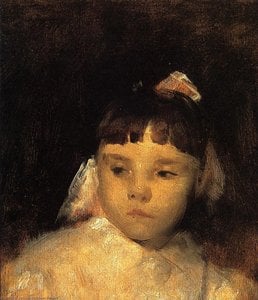
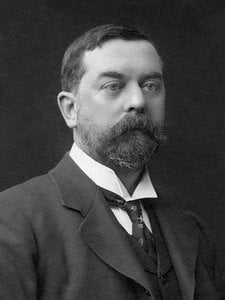
John Singer Sargent, ett namn synonymt med den guldålders glänsande porträtt av elegans, var en amerikansk konstnär som tillbringade större delen av sitt liv att kultivera sin hantverksskicklighet inom det europeiska konstvärlden. Han föddes i Florens, Italien, 1856 till amerikanska utstationerade föräldrar, Fitzwilliam och Mary Newbold Sargent, och hans barndom präglades av en ovanlig omständighet – familjen vandrade ständigt genom Frankrike, Tyskland, Italien och Schweiz. Denna nomadiska existens, som gav honom tidig exponering för Europas konstskatter, formade hans synsätt och bidrog till hans konstnärliga utveckling. Hans far, en kirurg, och hans mor, en amatörmålare, uppmuntrade hans intressen, erkände tidigt hans exceptionella förmåga att observera världen omkring honom. Det var tydligt från en ung ålder att Johns väg låg inom konsten, inte inom medicin eller traditionella yrken.
Från Parisateljé till Porträttmästare
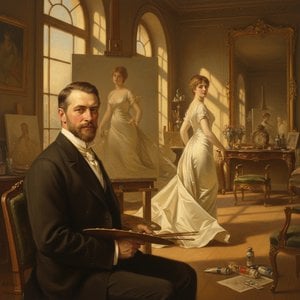
År 1874, vid arton års ålder, inledde Sargent ett avgörande kapitel i sin konstnärliga utveckling genom att gå med i Carolus-Durans studio i Paris. Denna mentorskap visade sig vara transformativt. Durans betoning på *direktmålning* – en teknik som avvek från preliminära skisser och förespråkade omedelbar applicering av färg på duken – finsmakade Sargents redan imponerande tekniska skicklighet och gav honom en otrolig förmåga att fånga likheten med sina porträttsnöje. Det var ett revolutionerande tillvägagångssätt som uppmuntrade mod och spontanitet, och det blev Sargents signaturstil. Han absorberade Durans läxor helhjärtat, behärskade konsten att inte bara fånga fysisk likhet utan också essensen hos sina motiv. Samtidigt registrerades han vid École des Beaux-Arts för att ytterligare förfina sina färdigheter i ritning från former och livmodeller. Men det var inflytandet av spanska mästare som Diego Velázquez, som han upptäckte under en formande resa till Spanien 1879, som verkligen tände Sargents konstnärliga fantasi. Han fascinerades av Velázquez’s skicklighet i att fånga ljus, penseldrag och psykologisk insikt – kvaliteter han strävade efter att emulera genom hela sin karriär.
Navigera genom ära, skandal och konstnärlig utveckling
Sargent etablerade snabbt sig själv som en eftertraktad porträttist i Paris, där han fick uppdrag från stadens överklass. Men hans framgång var inte utan utmaningar. Utsmyckningen av *Madame X* (Porträtt av Madame Pierre Gautreau) på Salonen 1884 utlöste en skandal som hotade att förvränga hans blomstrande karriär. Målningens vågande representation av den sociala dam Virginie Amélie Avegno Gautreau – med hennes bleka hy, suggestiva hållning och fallna rem – ansågs vara provokativ och skandalös av det parisiska samhället. Även om Sargent senare målade om remmen, var skadan redan skedd. Besviken över skandalen flyttade han till London 1886, där han fann en mer mottaglig publik för sina talanger. I London fortsatte han att måla porträtt av de rika och inflytelserika, fångande den opulent och sociala dynamiken i Edwardianskt samhälle med otrolig skicklighet. Trots detta strävade Sargents konstnärliga ambitioner bortom de begränsningar som följde med uppdragade porträtt. Han längtade efter större kreativ frihet och ägnade alltmer energi åt landskapsmålning och *plein air*-studier, omfamnade en impressionistisk stil kännetecknad av lösa penseldrag, livfulla färger och ett fokus på att fånga flyktiga ögonblick av ljus och atmosfär. Dessa landskap avslöjar en annan sida av Sargent – en mindre intresserad av social status och mer uppmärksam på naturens skönhet.
En varaktig arv: Bortom porträtt
Medan han firades som “den ledande porträttmålaren i sin generation”, utsträcker Sargents konstnärliga arv sig långt bortom hans mästerliga representationer av samhällsföreträdare. Hans viktigaste verk, såsom *El Jaleo*, en dynamisk skildring av spanska flamencoartister och *Carnation, Lily, Lily, Rose*, en fridfull bild av två unga flickor i en engelsk trädgård, visar hans mångsidighet och tekniska briljans. Senare i livet företog han ambitiösa väggmålningsprojekt, inklusive den monumentala cykeln på Boston Public Library, som visade hans förmåga att översätta sin konstnärliga vision till en stor skala. Hans inflytande kan ses i arbetet hos efterföljande generationer av konstnärer som beundrade hans tekniska skicklighet, hans modiga penseldrag och hans förmåga att fånga både fysisk likhet och psykologisk djup. Återupptäckten av hans tidigare förbjudna manliga nudes på 1980-talet utvidgade vår förståelse för Sargents konstnärliga räckvidd ytterligare och avslöjade en mer komplex och nyanserad konstnär än tidigare erkännande. *Hans målningar fortsätter att fängsla publiker över hela världen*, erbjuder en fascinerande inblick i en svunnen era samtidigt som de transcenderar tiden genom sin bestående skönhet och tekniska skicklighet. Han är utan tvekan en av de mest betydelsefulla amerikanska konstnärerna i sin generation, vars verk fortsätter att inspirera och provocera beundran.
Inflytanden och konstnärliga relationer
- Carolus-Duran: Hans lärare, som inställde honom på en direktmålningsteknik och uppmuntrade spontanitet.
- Diego Velázquez: Sargent fascinerades djupt av Velázquez’s skicklighet i att fånga ljus, penseldrag och psykologisk insikt, särskilt synlig i hans spanska verk.
- Impressionism: Impressionisternas betoning på att fånga flyktiga ögonblick och atmosfär påverkade hans landskapsmålningar kraftigt, vilket ledde till en mer löst och uttrycksfull stil.
- James Abbott McNeill Whistler: Sargent delade med Whistler ett intresse för estetik och strävandet efter “konst för konsten”, vilket påverkade hans syn på komposition och färg.



 Förhandsvisa
 Beställ handmålad reproduktion
 Skicka
 Dela
Dela
 Visa detaljer

 Ladda ner
 Liknande objekt
 Röntgen
 Bildspel
 Statistik


 Visa mer






































 Glasalternativet är endast tillgängligt i storlekar under 110 cm.