


Handmålad olja på duk i din valda storlek och ram, tillverkad efter beställning av våra konstnärer. ( Beställ tryck Köp högupplöst bild)





























Välj bland våra förinställda storlekar som motsvarar konstverkets ursprungliga proportioner.

Du kan ange egna mått för att passa en specifik ram eller yta. Om den valda storleken inte matchar originalbildens proportioner kommer vi antingen att beskära konstverket eller utöka målningen med ytterligare handmålade element. En digital skiss skickas till dig för godkännande innan produktionen påbörjas.
Observera att förhandsvisningen på skärmen inte återspeglar den faktiska beskärningen eller utökningen. Endast skissen visar den slutgiltiga kompositionen korrekt.
Även om anpassade storlekar är möjliga, rekommenderar vi att du väljer en dimension från den fördefinierade listan för att bevara originalproportionerna.
Leverans över hela världen () på 3–4 veckor istället för standard 5 veckor. (6 september). Inga kompromisser med kvaliteten.


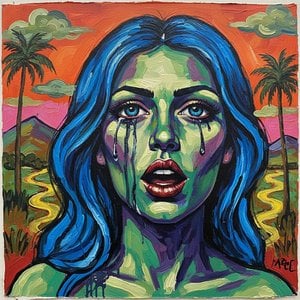
untitled (2727)
Storlek på reproduktion
Henri Émile Benoît Matisse (1869-1954) stands as a monumental figure in the annals of modern art, an artist whose unwavering devotion to color—a bold departure from prevailing artistic conventions—forever altered the landscape of painting. Born in Le Cateau-Cambrésis, France, his early life was marked by legal aspirations and a brief illness that unexpectedly steered him toward a lifelong passion for visual expression.
Matisse’s artistic journey began serendipitously following an appendicitis attack in 1889. Convalescence provided the catalyst for discovering painting with encouragement from his mother, igniting within him a creative fervor he would never relinquish. Unlike many of his peers pursuing traditional paths, Matisse embraced the bohemian spirit, enrolling at the Académie Julian and later honing his skills at the École Nationale des Beaux-Arts under Gustave Moreau—institutions that fostered an appreciation for both classical influences and burgeoning modernist ideas.
His mastery of color wasn’t merely decorative; it served as a conduit for conveying emotion and capturing the essence of his subjects. Matisse's canvases pulsate with energy, imbued with hues that defy conventional representation—a deliberate strategy designed to bypass rational perception and tap into primal feelings.
“untitled (2727)” exemplifies this revolutionary aesthetic. The painting’s composition centers around a vase brimming with pink and red flowers, meticulously arranged on a tabletop alongside a diminutive sculpture. Matisse's technique – characterized by loose brushstrokes and flattened forms – prioritizes expressive color over realistic depiction. This stylistic choice aligns perfectly with the Fauvist movement’s rejection of illusionism and its embrace of pure pigment as a primary artistic tool.
The artwork’s historical context is crucial to understanding Matisse's significance. Emerging in the early 20th century, Fauvism challenged the established order of Parisian art academies, asserting that color could communicate emotion more effectively than form alone. Matisse’s unwavering commitment to this principle solidified his position as a champion of artistic innovation and profoundly influenced subsequent generations of artists.


1869 - 1954 , Frankrike
Embark on a journey through the vibrant world of Fauvism. Discover how masters like Henri Matisse revolutionized art through bold colors and raw emotion in this expert-led guide to one of modern art's most powerful movements.

 Förhandsvisa
 Skicka
 Dela
Dela
 Visa detaljer

 Ladda ner
 Liknande objekt
 Röntgen
 Bildspel
 Visa mer







 Glasalternativet är endast tillgängligt i storlekar under 110 cm.


