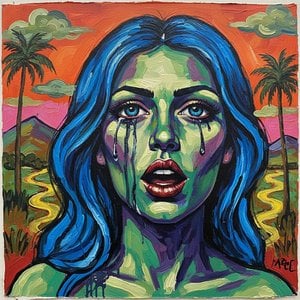
Ett liv i färg: Henri Matisse och fauvismens genombrott
Henri Émile Benoît Matisse, född den 31 december 1869 i den lilla nordfranska staden Le Cateau-Cambrésis, var inte från början ämnad för ett liv präglat av pigment och form. Efter sina studier i juridik i Paris vände hans liv drastiskt när han insjuknade i blindtarmsinflammation 1889. Sängbunden upptäckte han en slumrande passion som tändes av den enkla handlingen att måla med ett set konstmaterial som hans mor hade gett honom. Detta var inte bara en tidsfördriv, utan en uppenbarelse – en vändpunkt som styrde honom bort från juridiska dokument och in i en värld där färg skulle bli hans språk och duken hans domän. Uppvuxen i Bohain-en-Vermandois, son till spannmålshandlare, verkade Matisse initialt osannolik att omfamna konstnärens bohemiska livsstil, men fröet hade såtts, vårdats av konvalescens och blomstrat ut i en livslång hängivenhet. Han inskrevs på Académie Julian och senare på École Nationale des Beaux-Arts, där han studerade under William-Adolphe Bouguereau och Gustave Moreau, absorberade klassiska tekniker som skulle lägga grunden för hans framtida innovationer. Tidiga verk speglade denna akademiska träning, visade skicklighet men saknade den distinkta röst som snart skulle definiera honom.
Från tradition till revolution: påverkan och fauvismens födelse
En avgörande vändpunkt kom 1896 under ett besök i Belle-Île med australiensiske målaren John Russell. Detta möte visade sig vara transformativt. Russell introducerade Matisse för impressionismens livfulla värld och, viktigare, för Vincent van Goghs känsloladdade dukar. Effekten var djupgående. Van Goghs uttrycksfulla användning av färg krossade Matisses tidigare återhållsamma palett och uppmanade honom till ett djärvare, mer subjektivt förhållningssätt. Han började röra sig bort från jordfärger och omfamnade nyanser som resonerade med känsla snarare än strikt representation. Denna utforskning kulminerade i framväxten av fauvismen runt 1905 – en rörelse där Matisse blev en ledande figur. Själva namnet, som betyder "vilda djur", var ursprungligen nedsättande och tilldelades gruppen av en kritiker på grund av deras chockerande livfulla och icke-naturalistiska målningar som ställdes ut på Salon d'Automne.
Matisse, tillsammans med konstnärer som André Derain och Maurice de Vlaminck, hyllade intensiv färg som ett självständigt uttrycksmedel och förenklade formerna för att förstärka dess effekt. Målningar som *The Gourds* (1905) exemplifierar denna stil – en explosion av röda, gröna och gula färger applicerade med en frihet som trotsade traditionellt perspektiv och mimisk noggrannhet. Kännetecknande drag inkluderade intensivt mättade paletter, förenklade former, uttrycksfulla penseldrag och ett medvetet avståndstagande från konventionell representation till förmån för emotionell resonans.
Harmoni och dekoration: en ny riktning
Efter den initiala entusiasmen kring fauvismen genomgick Matisses stil en subtil men betydelsefull utveckling. Även om han aldrig övergav sin kärlek till färg, blev hans verk mer raffinerade och lutade mot ett dekorativt estetiskt uttryck som betonade platta former och intrikata mönster. Han utforskade teman som fritid, hemmaliv och den mänskliga figuren i lugna miljöer och skapade kompositioner som kändes både harmoniska och emotionellt resonanta. En flytt till Nice på Franska Rivieran 1917 påverkade ytterligare denna förändring och gav hans verk en känsla av serenitet och klassisk balans. Han började fokusera på att skapa miljöer – målningar, skulpturer och dekorativa föremål – som omslöt betraktaren i en atmosfär av skönhet och lugn. Denna period såg honom experimentera med olika media, inklusive keramik och textilier, vilket utvidgade hans konstnärliga vision bortom den traditionella duken. Han målade inte bara scener; han konstruerade världar som var utformade för att framkalla ett specifikt emotionellt svar.
Sena år: innovation genom begränsning
När försämrad hälsa begränsade Matisses förmåga att måla på konventionella sätt, gav han sig in i ett extraordinärt nytt kapitel i sin konstnärliga resa – skapandet av pappersklippskollage, eller *découpages*. Börjande runt 1947 föddes dessa verk ur nödvändighet. Sängbunden kunde han inte fysiskt stå och måla, men han kunde fortfarande manipulera papper med saxen. Det som började som en praktisk lösning utvecklades till en banbrytande konstnärlig teknik. Han skulle måla stora ark av papper i livfulla färger, sedan klippa dem i former – organiska former, löv, figurer – och arrangera dem på duken, skapa kompositioner som var både dynamiska och bedrägligt enkla. Dessa *découpages* var inte bara ersättningar för målning; de representerade ett nytt sätt att tänka kring färg, form och komposition. De fortsatte hans livslånga utforskning av dessa element och visade en bestående konstnärlig vision även inför fysiska begränsningar.
- Pappersklippstekniken gjorde det möjligt för honom att uppnå en renhet i form och färg som var svår att uppnå med färg.
- Dessa verk refererade ofta till tidigare teman och motiv från hans målningar, men presenterades på ett fräscht och innovativt sätt.
- De demonstrerade hans förmåga att anpassa sig och utvecklas som konstnär under hela sin karriär.
Ett bestående arv: Matisses inverkan på modern konst
Henri Matisse dog i Nice 1954 och lämnade efter sig ett verk som fortsätter att inspirera och fängsla publik över hela världen. Hans inverkan på konstvärlden är obestridlig; han utmanade konventionella föreställningar om representation, hyllade färgens uttrycksfulla kraft och banade väg för framtida generationer av konstnärer. Ofta betraktad tillsammans med Pablo Picasso som en av de mest inflytelserika figurerna inom 1900-talets konst, formade Matisse grundligt modernismen. Hans arv sträcker sig bortom hans konstverk själva – det omfattar en filosofi som firar glädje, skönhet och färgens transformerande potential. Han målade inte bara det han såg; han skapade en emotionell upplevelse för betraktaren och bjöd in dem att dela med sig av hans vision om en värld badad i ljus och livfulla nyanser.
Matisses inflytande kan ses i otaliga verk av konstnärer inom olika discipliner, vilket befäster hans plats som en sann mästare inom modern konst – en målare som vågade se världen inte som den är, utan som den skulle kunna vara, fylld med färg, harmoni och gränslösa möjligheter.



 Förhandsvisa
 Beställ handmålad reproduktion
 Skicka
 Dela
Dela
 Visa detaljer

 Ladda ner
 Liknande objekt
 Röntgen
 Bildspel
 Statistik


 Visa mer






































 Glasalternativet är endast tillgängligt i storlekar under 110 cm.