Förhandsvisa Förhandsgranska i AR Beställ handmålad reproduktion Byt till digital bild Skicka
Visa detaljer Guide Lägg till i favoriter Ladda ner Liknande objekt Röntgen Bildspel Q&A Statistik

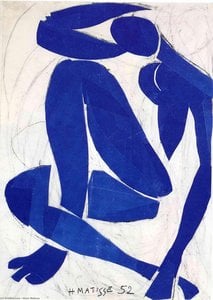
Nude

Experience Henri Matisse's 'Nude' – a serene study of form and color. Own a stunning, hand-painted reproduction of this iconic Fauvist masterpiece and bring vibrant beauty to your home.

Matisse&rsquo;s Impact on Modern Art</h2> Henri Matisse died in Nice in 1954, leaving behind a body of work that continues to inspire and captivate audiences worldwide. His impact on the art world is undeniable; he challenged conventional notions of representation, championed the expressive power of color, and paved the way for future generations of

Giclée / Konsttryck

Giclée- eller canvasprint av museumskvalitet med snabb produktion och flexibla ytbehandlingsalternativ. ( Beställ handmålad reproduktion Byt till digital bild)

Corner sample of the P118B picture frame: formgjuten polystyren, 5 cm wide and 3 cm thick
P118B Skr10
Corner sample of the P118H picture frame: formgjuten polystyren, 5 cm wide and 3 cm thick
P118H Skr10
Corner sample of the P118W picture frame: formgjuten polystyren, 5 cm wide and 3 cm thick
P118W Skr10
Corner sample of the P438Z picture frame: formgjuten polystyren, 5.5 cm wide and 3.5 cm thick
P438Z Skr10
Corner sample of the P508JH picture frame: formgjuten polystyren, 7 cm wide and 3.5 cm thick
P508JH Skr12
Corner sample of the P508YH picture frame: formgjuten polystyren, 7 cm wide and 3.5 cm thick
P508YH Skr12
Corner sample of the P805H picture frame: formgjuten polystyren, 5 cm wide and 3.5 cm thick
P805H Skr10
Corner sample of the P805Z picture frame: formgjuten polystyren, 5 cm wide and 3.5 cm thick
P805Z Skr10
Corner sample of the P919BZ picture frame: formgjuten polystyren, 7 cm wide and 3.5 cm thick
P919BZ Skr10
Corner sample of the P919G picture frame: formgjuten polystyren, 7 cm wide and 3.5 cm thick
P919G Skr10
Corner sample of the P919XJ picture frame: formgjuten polystyren, 7 cm wide and 3.5 cm thick
P919XJ Skr10
Corner sample of the P959ZH picture frame: formgjuten polystyren, 5 cm wide and 3 cm thick
P959ZH Skr10
Corner sample of the P968JZ picture frame: formgjuten polystyren, 6 cm wide and 4 cm thick
P968JZ Skr12
Corner sample of the W106C picture frame: massivt trä, 5 cm wide and 3 cm thick
W106C Skr8
Corner sample of the W218G picture frame: massivt trä, 5 cm wide and 3 cm thick
W218G Skr10
Corner sample of the W218JH picture frame: massivt trä, 5 cm wide and 3 cm thick
W218JH Skr8
Corner sample of the W218Y picture frame: massivt trä, 5 cm wide and 3 cm thick
W218Y Skr10
Corner sample of the W307PJ picture frame: massivt trä, 6 cm wide and 3 cm thick
W307PJ Skr10
Corner sample of the W316G picture frame: massivt trä, 6 cm wide and 3 cm thick
W316G Skr10
Corner sample of the W316PJ picture frame: massivt trä, 6 cm wide and 3 cm thick
W316PJ Skr8
Corner sample of the W316Y picture frame: massivt trä, 6 cm wide and 3 cm thick
W316Y Skr10
Corner sample of the W398PJ picture frame: massivt trä, 5 cm wide and 3 cm thick
W398PJ Skr8
Corner sample of the W4111J picture frame: massivt trä, 6.5 cm wide and 3.5 cm thick
W4111J Skr10
Corner sample of the W500HY picture frame: massivt trä, 7 cm wide and 5 cm thick
W500HY Skr15
Corner sample of the W500JH picture frame: massivt trä, 7 cm wide and 5 cm thick
W500JH Skr15
Corner sample of the W692G picture frame: massivt trä, 8 cm wide and 4 cm thick
W692G Skr12
Corner sample of the W849H picture frame: massivt trä, 5 cm wide and 3 cm thick
W849H Skr8
Corner sample of the W940BG picture frame: massivt trä, 7.5 cm wide and 4.5 cm thick
W940BG Skr15
Corner sample of the W953PJ picture frame: massivt trä, 6 cm wide and 3.5 cm thick
W953PJ Skr8

Standardstorlek
skräddarsydd
CM
INCH

Välj bland våra förinställda storlekar som motsvarar konstverkets ursprungliga proportioner.

bredd
höjd

Ange den bredd och höjd du behöver för att passa din ram eller vägg. Ett tryck kan endast beskäras, aldrig göras större än originalbilden, vilket innebär att ett format med en annan proportion leder till att en del av bilden går förlorad. Vi skickar en digital mockup för godkännande innan vi påbörjar tryckningen. Bilden som visas på denna sida visar inte den faktiska beskärningen — det är endast mockuppen som gör det.

Leverans över hela världen () på 2 veckor istället för standard 4/5 veckor. (30 oktober)

Fri expressfrakt över hela världen
Högkvalitativ linnecanvas
Fullständig fraktförsäkring
Garantier för återbetalning av tullavgifter
Garantier för exakt färgåtergivning
100 dagars returrätt (endast vid fel)
100% pengarna tillbaka-garanti
Mängdrabatt erbjuds

Totalt pris

Skr 683

Nude

Giclée / Konsttryck

Storlek på reproduktion

-

Slutgiltigt pris

Skr 683

Kortfakta

  • Influences: Impressionism
  • Location: Various collections
  • Movement: Fauvism
  • Medium: Hand-painted reproduction
  • Title: Nude

Konstquiz

Det finns endast ett korrekt svar på varje fråga.

Fråga 1:
Based on the image description, what is prominently visible through the window in Henri Matisse’s ‘Nude’?
Fråga 2:
Henri Matisse is most closely associated with which art movement?
Fråga 3:
The image suggests a relaxed atmosphere. What element contributes most to this feeling?
Fråga 4:
Considering Matisse’s biography, what likely influenced his shift to painting after initially pursuing a legal career?
Fråga 5:
Which of the following best describes Matisse’s use of color in this work?

A Moment of Quiet Contemplation: Henri Matisse’s “Nude”

Henri Matisse's "Nude," a captivating work from around 1909, offers a glimpse into the artist’s evolving exploration of form and color during his pivotal Fauvist period. This painting isn’t merely a depiction of a reclining figure; it’s an invitation to pause, to consider the interplay between interior emotion and external observation. The scene unfolds within a simple yet evocative domestic setting – a room punctuated by a window framing a distant ocean vista and suggestive of a life lived in relative tranquility. The woman herself is presented with a remarkable degree of abstraction, her form rendered through bold, flattened planes of color rather than meticulous detail. This deliberate simplification speaks to Matisse’s desire to capture the essence of his subject – not just its appearance, but its feeling—a core tenet of Fauvist philosophy.

The Language of Color and Form: A Fauvist Vision

Matisse's use of color is undeniably central to the painting’s impact. Departing from traditional representational techniques, he employs a vibrant, almost jarring palette – blues, pinks, yellows, and greens—to create an intensely subjective experience for the viewer. These aren’t colors that simply describe reality; they are imbued with emotional weight, each hue radiating its own distinct energy. The application of paint itself is loose and expressive, characterized by broad brushstrokes and a disregard for precise lines. This technique, characteristic of Fauvism, prioritizes visual sensation over realistic depiction, creating an immediate and powerful impact on the eye. The surfboard, a seemingly incongruous element within this intimate scene, further emphasizes this departure from naturalism, hinting at exotic locales and perhaps even Matisse’s own fascination with travel and the allure of the unknown.

Symbolic Resonance: Intimacy and Observation

The pose of the nude figure is particularly significant. She appears to be gazing out the window, a gesture that invites us to share in her contemplation. The slight turn of her head and the subtle curve of her breast suggest a quiet intimacy—a moment of private reflection. Some art historians interpret this posture as representing a desire for escape or a yearning for something beyond the confines of the room. The presence of the two chairs, one closer to the figure and another further away, adds to this sense of spatial ambiguity and invites us to consider the relationship between the subject, her surroundings, and perhaps even the viewer. The potted plant introduces an element of nature, grounding the scene while simultaneously reinforcing the theme of domesticity.

Historical Context: Matisse’s Artistic Evolution

“Nude” is a pivotal work in Matisse's artistic development. Following his recovery from illness, he embraced color with unprecedented fervor, rejecting academic conventions and forging a new path for modern art. This period saw him experimenting with various techniques – including collage (as evidenced by the “Blue Nudes” series) – and pushing the boundaries of representation. Matisse’s exploration of line and form during this time was deeply influenced by Post-Impressionist artists like Paul Gauguin, whose use of flattened planes and symbolic color had paved the way for Matisse's radical approach. The painting reflects a shift towards greater abstraction while retaining a strong connection to the human figure – a hallmark of Matisse’s enduring legacy. Works such as “Pink Nude, or Seated Nude” from the same year demonstrate this evolution beautifully.

WahooArt offers meticulously crafted hand-painted reproductions of Henri Matisse's "Nude," allowing you to bring this iconic masterpiece into your home and experience its vibrant colors and evocative atmosphere firsthand. Explore our collection today and discover a truly exceptional piece of art history.

Frågor och svar

Var kan jag köpa en digital bild av "Nude" av Henri Matisse?

"Nude" finns tillgänglig som en högupplöst digital bildnedladdning och kan köpas direkt på dess Digital bild i hög upplösning-sida.

Vad är luminansen i "Nude" av Henri Matisse?

"Nude" av Henri Matisse har en luminans på Gentle Luminance. Luminans beskriver hur mycket ljus färgerna tycks reflektera.

Var kan jag hitta konstverk som liknar "Nude" av Henri Matisse?

Hitta fler liknande verk till "Nude" av Henri Matisse på verkets sida Liknande verk.


Konstnärsbiografi

Ett liv i färg: Henri Matisse och fauvismens genombrott

Henri Émile Benoît Matisse, född den 31 december 1869 i den lilla nordfranska staden Le Cateau-Cambrésis, var inte från början ämnad för ett liv präglat av pigment och form. Efter sina studier i juridik i Paris vände hans liv drastiskt när han insjuknade i blindtarmsinflammation 1889. Sängbunden upptäckte han en slumrande passion som tändes av den enkla handlingen att måla med ett set konstmaterial som hans mor hade gett honom. Detta var inte bara en tidsfördriv, utan en uppenbarelse – en vändpunkt som styrde honom bort från juridiska dokument och in i en värld där färg skulle bli hans språk och duken hans domän. Uppvuxen i Bohain-en-Vermandois, son till spannmålshandlare, verkade Matisse initialt osannolik att omfamna konstnärens bohemiska livsstil, men fröet hade såtts, vårdats av konvalescens och blomstrat ut i en livslång hängivenhet. Han inskrevs på Académie Julian och senare på École Nationale des Beaux-Arts, där han studerade under William-Adolphe Bouguereau och Gustave Moreau, absorberade klassiska tekniker som skulle lägga grunden för hans framtida innovationer. Tidiga verk speglade denna akademiska träning, visade skicklighet men saknade den distinkta röst som snart skulle definiera honom.

Från tradition till revolution: påverkan och fauvismens födelse

En avgörande vändpunkt kom 1896 under ett besök i Belle-Île med australiensiske målaren John Russell. Detta möte visade sig vara transformativt. Russell introducerade Matisse för impressionismens livfulla värld och, viktigare, för Vincent van Goghs känsloladdade dukar. Effekten var djupgående. Van Goghs uttrycksfulla användning av färg krossade Matisses tidigare återhållsamma palett och uppmanade honom till ett djärvare, mer subjektivt förhållningssätt. Han började röra sig bort från jordfärger och omfamnade nyanser som resonerade med känsla snarare än strikt representation. Denna utforskning kulminerade i framväxten av fauvismen runt 1905 – en rörelse där Matisse blev en ledande figur. Själva namnet, som betyder "vilda djur", var ursprungligen nedsättande och tilldelades gruppen av en kritiker på grund av deras chockerande livfulla och icke-naturalistiska målningar som ställdes ut på Salon d'Automne. Matisse, tillsammans med konstnärer som André Derain och Maurice de Vlaminck, hyllade intensiv färg som ett självständigt uttrycksmedel och förenklade formerna för att förstärka dess effekt. Målningar som *The Gourds* (1905) exemplifierar denna stil – en explosion av röda, gröna och gula färger applicerade med en frihet som trotsade traditionellt perspektiv och mimisk noggrannhet. Kännetecknande drag inkluderade intensivt mättade paletter, förenklade former, uttrycksfulla penseldrag och ett medvetet avståndstagande från konventionell representation till förmån för emotionell resonans.

Harmoni och dekoration: en ny riktning

Efter den initiala entusiasmen kring fauvismen genomgick Matisses stil en subtil men betydelsefull utveckling. Även om han aldrig övergav sin kärlek till färg, blev hans verk mer raffinerade och lutade mot ett dekorativt estetiskt uttryck som betonade platta former och intrikata mönster. Han utforskade teman som fritid, hemmaliv och den mänskliga figuren i lugna miljöer och skapade kompositioner som kändes både harmoniska och emotionellt resonanta. En flytt till Nice på Franska Rivieran 1917 påverkade ytterligare denna förändring och gav hans verk en känsla av serenitet och klassisk balans. Han började fokusera på att skapa miljöer – målningar, skulpturer och dekorativa föremål – som omslöt betraktaren i en atmosfär av skönhet och lugn. Denna period såg honom experimentera med olika media, inklusive keramik och textilier, vilket utvidgade hans konstnärliga vision bortom den traditionella duken. Han målade inte bara scener; han konstruerade världar som var utformade för att framkalla ett specifikt emotionellt svar.

Sena år: innovation genom begränsning

När försämrad hälsa begränsade Matisses förmåga att måla på konventionella sätt, gav han sig in i ett extraordinärt nytt kapitel i sin konstnärliga resa – skapandet av pappersklippskollage, eller *découpages*. Börjande runt 1947 föddes dessa verk ur nödvändighet. Sängbunden kunde han inte fysiskt stå och måla, men han kunde fortfarande manipulera papper med saxen. Det som började som en praktisk lösning utvecklades till en banbrytande konstnärlig teknik. Han skulle måla stora ark av papper i livfulla färger, sedan klippa dem i former – organiska former, löv, figurer – och arrangera dem på duken, skapa kompositioner som var både dynamiska och bedrägligt enkla. Dessa *découpages* var inte bara ersättningar för målning; de representerade ett nytt sätt att tänka kring färg, form och komposition. De fortsatte hans livslånga utforskning av dessa element och visade en bestående konstnärlig vision även inför fysiska begränsningar.
  • Pappersklippstekniken gjorde det möjligt för honom att uppnå en renhet i form och färg som var svår att uppnå med färg.
  • Dessa verk refererade ofta till tidigare teman och motiv från hans målningar, men presenterades på ett fräscht och innovativt sätt.
  • De demonstrerade hans förmåga att anpassa sig och utvecklas som konstnär under hela sin karriär.

Ett bestående arv: Matisses inverkan på modern konst

Henri Matisse dog i Nice 1954 och lämnade efter sig ett verk som fortsätter att inspirera och fängsla publik över hela världen. Hans inverkan på konstvärlden är obestridlig; han utmanade konventionella föreställningar om representation, hyllade färgens uttrycksfulla kraft och banade väg för framtida generationer av konstnärer. Ofta betraktad tillsammans med Pablo Picasso som en av de mest inflytelserika figurerna inom 1900-talets konst, formade Matisse grundligt modernismen. Hans arv sträcker sig bortom hans konstverk själva – det omfattar en filosofi som firar glädje, skönhet och färgens transformerande potential. Han målade inte bara det han såg; han skapade en emotionell upplevelse för betraktaren och bjöd in dem att dela med sig av hans vision om en värld badad i ljus och livfulla nyanser. Matisses inflytande kan ses i otaliga verk av konstnärer inom olika discipliner, vilket befäster hans plats som en sann mästare inom modern konst – en målare som vågade se världen inte som den är, utan som den skulle kunna vara, fylld med färg, harmoni och gränslösa möjligheter.

Henri Matisse

Henri Matisse

1869 - 1954 , Frankrike

Kortfakta

  • Artistic Movement Or Style: Fauvism
  • Artists Or Movements Influenced By This Artist:
    • Modernism
    • Expressionism
  • Artists Who Influenced This Artist:
    • Van Gogh
    • Chardin
    • Russell
  • Date Of Birth: 31 december 1869
  • Date Of Death: 1954
  • Full Name: Henri Émile Benoît Matisse
  • Nationality: Fransk
  • Notable Artworks: ['The Gourds']
  • Place Of Birth: Le Cateau-Cambrésis, Frankrike
Utforska konstverk sorterade efter tema, stil och egenskaper.