FörhandsvisaFörhandsvisa Förhandsgranska i ARFörhandsgranska i AR Beställ handmålad reproduktion Beställ handmålad reproduktionByt till digital bild Byt till digital bild SkickaSkicka
Visa detaljerVisa detaljer Lägg till i favoriter Lägg till i favoriter Ladda nerLadda ner Liknande objektLiknande objekt RöntgenRöntgen BildspelBildspel StatistikStatistik

Pasiphae and the Bul

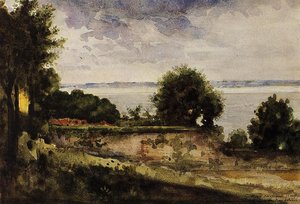
Gustave Moreau's 'Pasiphae and the Bull' (1880) is a mesmerizing Symbolist watercolor depicting myth & mystery. Explore its rich symbolism, haunting beauty, and connection to art history.

Gustave Moreau (1826-1898): En symbolistisk konstnär vars drömlika målningar utforskar myter, religion och människans psykologi med färgrik palett och suggestiva detaljer. Inspirerade Matisse & Rouault.

Giclée / Konsttryck

Giclée- eller canvasprint av museumskvalitet med snabb produktion och flexibla ytbehandlingsalternativ. (Beställ handmålad reproduktion Beställ handmålad reproduktionByt till digital bild Byt till digital bild)

P118B $10
P118H $10
P118W $10
P438Z $10
P508JH $12
P508YH $12
P805H $10
P805Z $10
P919BZ $10
P919G $10
P919XJ $10
P959ZH $10
P968JZ $12
W106C $8
W218G $10
W218JH $8
W218Y $10
W307PJ $10
W316G $10
W316PJ $8
W316Y $10
W398PJ $8
W4111J $10
W500HY $15
W500JH $15
W692G $12
W849H $8
W940BG $15
W953PJ $8

Standardstorlek
skräddarsydd
CM
INCH

Välj bland våra förinställda storlekar som motsvarar konstverkets ursprungliga proportioner.

bredd
höjd

Du kan ange egna mått för att passa en specifik ram eller yta. Om det valda måttet inte överensstämmer med originalbildens proportioner kommer vi antingen att beskära konstverket eller utöka bilden med en speglad eller enfärgad kant. En digital mockup skickas för ditt godkännande innan produktionen påbörjas.
Vänligen notera att förhandsvisningen på skärmen inte återspeglar den faktiska beskärningen eller utökningen. Endast mockuppen visar den slutgiltiga kompositionen korrekt.
Även om anpassade storlekar är möjliga, rekommenderar vi att du väljer ett mått från den fördefinierade listan för att bevara de ursprungliga proportionerna.

Leverans över hela världen () på 2 veckor istället för standard 4/5 veckor. (11 september)

why_choose_icon
Fri expressfrakt över hela världen
why_choose_icon
Högkvalitativ linnecanvas
why_choose_icon
Fullständig fraktförsäkring
why_choose_icon
Garantier för återbetalning av tullavgifter
why_choose_icon
Garantier för exakt färgåtergivning
why_choose_icon
100 dagars returrätt (endast vid defekter)
why_choose_icon
100% pengarna tillbaka-garanti
why_choose_icon
Mängdrabatt erbjuds

Totalpris

$ 68

reproduction

Pasiphae and the Bul

Giclée / Konsttryck

Storlek på reproduktion

-

Slutgiltigt pris

$ 68

Snabbfakta

  • Location: Musée National Gustave Moreau, Paris
  • Notable elements: Mythological scene
  • Year: 1880
  • Artistic style: Symbolism
  • Dimensions: 51 x 26 cm
  • Title: Pasiphae and the Bul
  • Artist: Gustave Moreau

Konstquiz

Det finns endast ett korrekt svar på varje fråga.

Fråga 1:
What artistic movement is Gustave Moreau primarily associated with?
Fråga 2:
The painting ‘Pasiphae and the Bul’ depicts a scene from which mythological story?
Fråga 3:
What medium did Gustave Moreau primarily use in ‘Pasiphae and the Bul’?
Fråga 4:
Based on the image description, what is the overall atmosphere of the painting?
Fråga 5:
In ‘Pasiphae and the Bul’, what is Pasiphae depicted as?

Gustave Moreau’s “Pasiphae and the Bull”: A Dreamscape of Myth and Desire

Gustave Moreau's "Pasiphae and the Bull," painted in 1880, isn’t merely a depiction of Greek mythology; it’s an immersion into a richly layered dreamscape—a testament to the Symbolist movement’s fascination with the subconscious and the evocative power of imagery. More than just a historical scene, this watercolor captures a potent moment of primal desire, isolation, and unsettling beauty. Moreau, a key figure in Parisian Symbolism, deliberately eschewed the objective realism favored by his contemporaries, instead prioritizing emotional resonance and symbolic representation over literal accuracy. He sought to translate inner states into visual form, drawing heavily on classical mythology, medieval art, and his own intensely personal symbolism.

The painting centers around Pasiphae, Queen of Crete and wife of the Minotaur’s father, King Aegeus. She is presented not as a triumphant figure but as a woman caught in a moment of profound vulnerability and unsettling encounter. Draped in a crimson cloak that seems to both conceal and reveal her form, she stands before a magnificent bull – a creature simultaneously terrifying and alluring. The composition immediately draws the eye; Moreau masterfully employs a dramatic chiaroscuro effect, utilizing deep shadows and pools of light to heighten the sense of mystery and drama. Notice how the muted palette—dominated by browns, greens, and reds—creates an atmosphere of twilight, suggesting a world existing outside of time and reason.

Symbolism and the Unconscious

Moreau’s Symbolist approach is evident in every detail. The bull itself isn't simply a beast; it represents primal instincts, untamed passions, and the darker aspects of human nature. Its presence evokes a sense of danger and transgression, hinting at the forbidden desires that lie beneath the surface of civilized society. The red cloak surrounding Pasiphae is particularly significant – often associated with blood, passion, and even death, it suggests both vulnerability and a potent, almost dangerous allure. The setting—a dense, wooded landscape bathed in an ethereal glow—further contributes to the painting’s dreamlike quality. It's not a realistic depiction of Crete; rather, it’s a constructed space designed to evoke specific emotions and associations.

Crucially, Moreau wasn’t interested in telling a straightforward narrative. Instead, he aimed to capture a fleeting emotional state—a moment of intense contemplation or perhaps even unease. The woman's posture, with her arms outstretched as if reaching for something just beyond her grasp, speaks volumes about her inner turmoil and longing. The bird soaring above her head adds another layer of symbolism – representing freedom, escape, or perhaps a fleeting glimpse of hope amidst the darkness.

Technique and Artistic Influence

Moreau’s technique is characterized by meticulous detail and a rich layering of colors. He employed watercolor on paper, allowing for subtle gradations of tone and a luminous quality that perfectly suits the painting's ethereal atmosphere. His brushwork is deliberate and expressive, creating textures that range from smooth, polished surfaces to rough, impastoed areas. The use of tempera in certain areas adds to the richness and depth of the image.

Moreau’s work profoundly influenced subsequent generations of artists, particularly those associated with Art Nouveau and the Pre-Raphaelites. His exploration of mythology, his interest in psychological themes, and his innovative use of color and composition paved the way for a new era of Symbolist painting. Artists like Henri Matisse and Raoul Rouault acknowledged Moreau’s significant impact on their own artistic development. The dreamlike quality of “Pasiphae and the Bull” resonates with the visual language of artists who sought to capture the inner world—a legacy that continues to inspire artists today.

Bringing "Pasiphae and the Bull" Home

A hand-painted reproduction of Gustave Moreau’s “Pasiphae and the Bull” offers a unique opportunity to bring this captivating artwork into your home or office. WahooArt meticulously recreates the painting's intricate details, color palette, and atmospheric depth using traditional techniques. The result is a stunningly accurate representation that captures the essence of Moreau’s artistic vision. Whether you are an art collector, an interior designer seeking to add a touch of mystery and elegance, or simply an admirer of beautiful artwork, this reproduction provides a remarkable way to experience the power and beauty of Symbolist painting.

Explore our collection of Gustave Moreau reproductions today and discover how this iconic masterpiece can enrich your space. View the original artwork here.


Konstnärsbiografi

A Dream Weaver of Symbolism: The Life and Art of Gustave Moreau

Gustave Moreau, en namn synonymt med den eteriska skönheten och de gåtfulla djupen av symbolistisk målning, steg fram ur 1800-talets Paris som en unik konstnärlig röst. Född 1826 i en borgerskapfamilj – hans far arkitekt och archivarie – var Moreaus tidiga liv genomsyrade av intellektuell nyfikenhet och estetisk känslighet. Redan i unga år visade han en anmärkningsvärd talang för teckning, fostrad genom traditionell akademisk utbildning vid École des Beaux-Arts under figurer som François-Édouard Picot. Men Moreaus konstnärliga väg skulle avvika skarpt från de rådande realistiska och impressionistiska strömningarna av sin tid. Han var inte intresserad av att fånga flyktiga ögonblick eller objektiv verklighet; istället sökte han att låsa upp de dolda rikena av myt, religion och den mänskliga psykén genom ett djupt personligt och symboliskt visuellt språk. Hans resa var en av inåtvänd utforskning, översättande subjektiva känslor och andliga längtan till duken med en besatt uppmärksamhet på detaljer och en livlig, ofta överflödig palett.

The Forge of Imagination: Influences and Artistic Development

Moreaus konstnärliga utveckling föddes inte i ett vakuum. Medan han avvisade de dominerande trenderna i sin tid, drog han inspiration från olika källor. Den dramatiska användningen av färg och exotiska motiv som fanns i Eugène Delacroix’s verk resonerade djupt med honom, vilket antände en passion för berättarperspektiv fyllt av emotionell intensitet. Han beundrade också renässansmästare som Michelangelo och Leonardo da Vinci, beundrade deras behärskning av komposition, anatomi och psykologisk insikt. Men Moreau kopierade inte bara dessa konstnärer; han syntetiserade deras inflytande till något helt nytt. Hans resor till Italien på 1850-talet visade sig vara avgörande, vilket fördjupade honom i antikens och renässanskonstens konst, vilket gav en rikedom av motiv och stilistiska ledtrådar som skulle befolka hans framtida verk. Han kopierade noggrant gamla målningar, inte som en övning i replikering, utan som ett sätt att absorbera deras tekniker och låsa upp deras hemligheter. Denna dedikation till hantverk, kombinerat med hans växande intresse för mytologi och litteratur, lade grunden för hans unika konstnärliga vision.

A World of Symbols: Themes and Techniques

Moreaus målningar är inte bara illustrationer av myter eller bibliska berättelser; de är komplexa allegorier som bjuder in till eftertanke och tolkning. Han grävde i berättelser som Salomes, Orpheus, Jupiter och Semele och otaliga andra, inte för att berätta dem bokstavligt talat, utan för att utforska deras underliggande psykologiska och andliga sanningar. Hans dukar är fyllda med symboliskt motiv – ormar som representerar lockelse, juveler som signalerar jordiska önskningar och figurer som uttrycker abstrakta koncept som sorg, förlust eller upplärning. Han skapade skickligt en drömlik atmosfär genom invecklad detaljrikedom, rika texturer och ofta ett kuslig samspel mellan ljus och skugga. Moreaus teknik kännetecknades av besatt lagerfärgning, vilket skapade ytor som skimrar med iriserande färger och väcker en känsla av övernaturlig skönhet. Hans användning av bladguld förstärkte detta effektfullt och lånade hans verk en bysantinsk kvalitet som understryker deras andliga dimension. Han var inte intresserad av att fånga realistiska texturer eller perspektiv; istället prioriterade han den uttrycksfulla kraften hos färg och form för att förmedla stämning och mening.

Notable Works and Historical Significance

Moreau’s oeuvre is vast and varied, encompassing over 8,000 paintings, watercolors, and drawings. His most celebrated works include *Salome Dancing before Herod* (1876), a mesmerizing depiction of the biblical tale that showcases his opulent style and fascination with mythological narratives; *Jupiter and Semele*, a dramatic portrayal of Greek mythology emphasizing composition and color; and numerous interpretations of Orpheus, each imbued with personal symbolism. Moreau’s work exerted a significant influence on subsequent generations of artists, particularly during the Symbolist movement. He encouraged his students to embrace imagination, symbolism, and individual expression, urging them to break free from conventional artistic norms. Although initially met with mixed reactions, he became a central figure in the Symbolist movement, shaping its aesthetic direction and inspiring countless artists. Gustave Moreau’s Musée Gustave Moreau, housed within his former studio and home in Paris, stands as a testament to his enduring legacy—a sanctuary where visitors can immerse themselves in the captivating world of this extraordinary artist. His paintings continue to resonate with audiences today, offering glimpses into the hidden depths of the human soul and reminding us of the power of art to transcend the boundaries of reality.

Influences on Later Artists

Moreau’s impact extended far beyond his own lifetime. He is considered a key influence on artists such as Henri Matisse and Georges Rouault, who admired his use of color, symbolism, and evocative imagery. His emphasis on psychological depth and emotional expression paved the way for later movements in modern art, demonstrating the lasting relevance of his artistic vision.
Gustave Moreau

Gustave Moreau

1826 - 1898 , Frankrike

Kortfakta

  • Artistic Movement Or Style: Symbolism
  • Artists Or Movements Influenced By This Artist:
    • Matisse
    • Rouault
  • Artists Who Influenced This Artist:
    • Delacroix
    • Michelangelo
    • Leonardo
  • Date Of Birth: 6 april 1826
  • Date Of Death: 18 april 1898
  • Full Name: Gustave Moreau
  • Nationality: Fransk
  • Notable Artworks:
    • Salome
    • Jupiter
    • Orpheus
    • Apparition
    • Desdemona
  • Place Of Birth: Paris, Frankrike
Utforska konstverk sorterade efter tema, stil och egenskaper.