x
Acrylic On Canvas
WallArt
Art Nouveau
1909
Late Medieval
193.0 x 115.0 cmGiclée- eller canvasprint av museumskvalitet med snabb produktion och flexibla ytbehandlingsalternativ.
Välj bland våra förinställda storlekar som motsvarar konstverkets ursprungliga proportioner.
Du kan ange egna mått för att passa en specifik ram eller yta. Om det valda måttet inte överensstämmer med originalbildens proportioner kommer vi antingen att beskära konstverket eller utöka bilden med en speglad eller enfärgad kant. En digital mockup skickas för ditt godkännande innan produktionen påbörjas.
Vänligen notera att förhandsvisningen på skärmen inte återspeglar den faktiska beskärningen eller utökningen. Endast mockuppen visar den slutgiltiga kompositionen korrekt.
Även om anpassade storlekar är möjliga, rekommenderar vi att du väljer ett mått från den fördefinierade listan för att bevara de ursprungliga proportionerna.
Leverans över hela världen () på 2 veckor istället för standard 4/5 veckor. (4 juli)
Expectation
Storlek på reproduktion
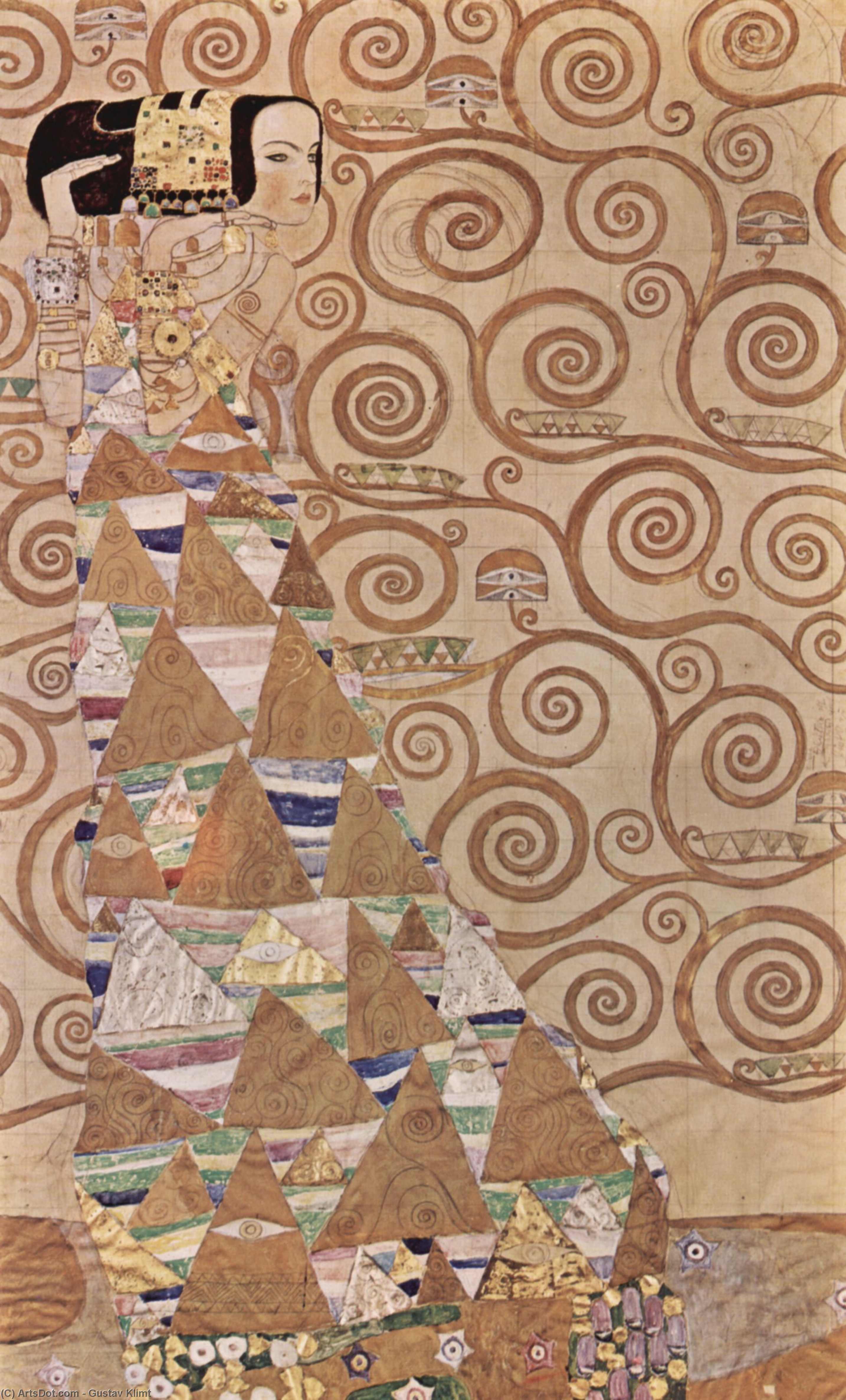
Gustave Klimt’s “Expectation,” painted in 1909, isn't merely a portrait; it’s an invitation into a realm of veiled desires and profound intimacy. Created during the height of Klimt’s intensely productive and personally complex period, this work embodies the artist’s signature blend of Symbolism, Art Nouveau, and a deeply sensual approach to the female form. The painting immediately draws the eye with its opulent color palette – rich browns, creams, and golds—a deliberate choice that evokes both earthly warmth and an otherworldly quality. It's a visual testament to Klimt’s fascination with the interplay between reality and dream, tangible beauty and hidden emotion.
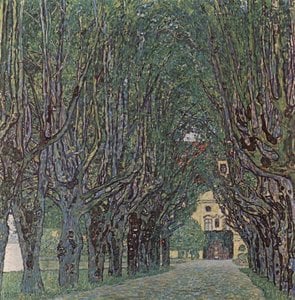
(Image: Gustav Klimt, "Expectation," 1909)
The composition itself is remarkably restrained yet powerfully suggestive. Two figures dominate the canvas, their interaction rendered with a delicate ambiguity that fuels endless interpretation. The woman, draped in flowing robes of deep brown and cream, appears to be gently touching the face of the man beside her—a gesture simultaneously tender and charged with unspoken meaning. Klimt’s masterful use of line creates a dynamic tension between the smooth curves of the figures' bodies and the intricate, swirling patterns that fill the background. These patterns aren’t merely decorative; they represent the subconscious, the currents of emotion and desire that shape our perceptions and relationships.
The influence of Egyptian art is undeniable in the woman’s profile—a deliberate nod to ancient symbolism of fertility, mystery, and the feminine divine. The geometric shapes within the background also echo the principles of Art Deco, a style that was beginning to emerge at the time, reflecting Klimt's forward-thinking artistic vision. The gold leaf, characteristic of Klimt’s later works, isn’t simply applied for decorative effect; it represents spiritual illumination and the transformative power of art itself.
“Expectation” was painted during a period of immense social and artistic change in Vienna. The city was experiencing a surge of innovation, fueled by the rise of psychoanalysis (Freud’s theories were gaining traction) and a growing interest in exploring the hidden depths of the human psyche. Klimt, along with other artists like Egon Schiele and Oskar Kokoschka, rejected the conservative academic traditions of the past and embraced new forms of expression that reflected the anxieties and aspirations of modern life. The painting can be seen as a response to this cultural ferment—a bold exploration of sexuality, emotion, and the complexities of human relationships.
The Stoclet Frieze, of which “Expectation” is a part, was commissioned for the opulent Stoclet Palace in Brussels by Adolphe Stoclet, a wealthy Belgian industrialist. This commission provided Klimt with unprecedented resources and allowed him to realize his most ambitious projects. The entire frieze—including "Fulfillment" and "Pattern"—was intended to create a cohesive visual narrative exploring themes of life, death, and the cyclical nature of existence.
Today, “Expectation” remains one of Gustav Klimt’s most celebrated works. Its evocative imagery, masterful technique, and profound emotional resonance continue to captivate audiences around the world. High-quality reproductions offer a remarkable opportunity to experience the beauty and complexity of this iconic painting in your own home or office. Whether you're an art enthusiast, a collector seeking a statement piece, or simply someone who appreciates exquisite design, “Expectation” is a timeless masterpiece that will undoubtedly enrich your surroundings.
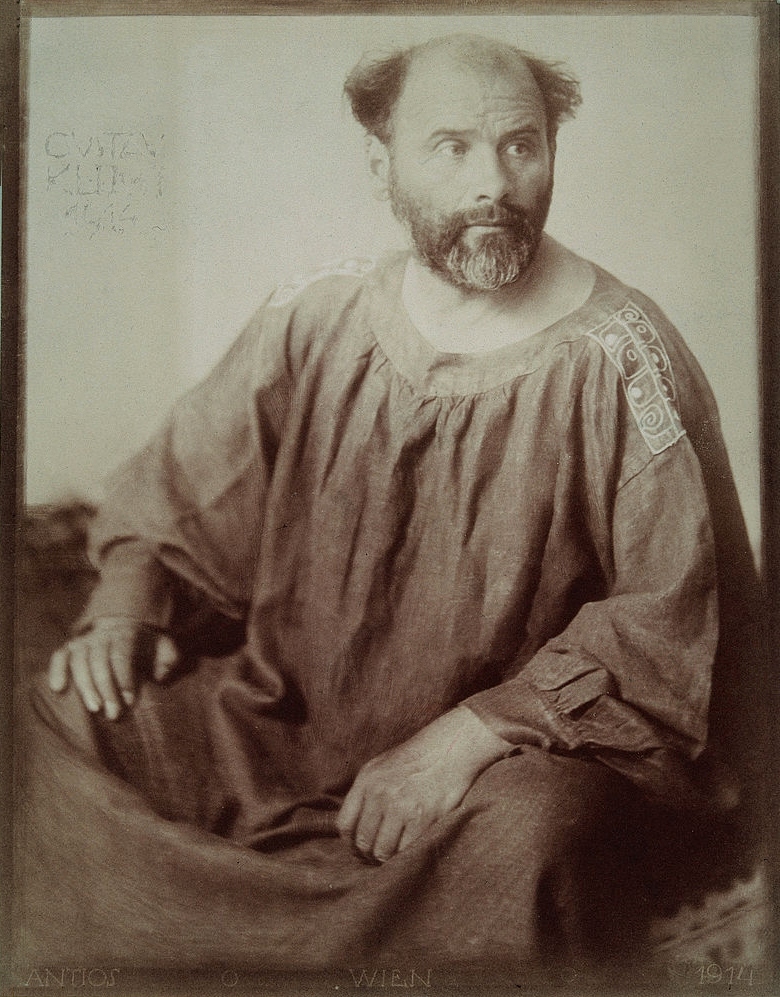
1862 - 1918 , Österrike
Berätta om ditt projekt så kommer våra konstexperter att ge dig 3 personliga konstförslag.
Vi skapar ett urval av 3 alternativ helt anpassat för dig – gratis!