FörhandsvisaFörhandsvisa Förhandsgranska i ARFörhandsgranska i AR Beställ handmålad reproduktion Beställ handmålad reproduktionSwitch to Digital Image Switch to Digital Image SkickaSkicka
Visa detaljerVisa detaljer Lägg till i favoriter Lägg till i favoriter Ladda nerLadda ner Liknande objektLiknande objekt RöntgenRöntgen BildspelBildspel StatsStats

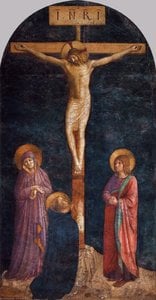
Cortona Polyptych

Upplev Fra Angelicos mästerverk! Cortona Polyptych är en storslagen religiös tavla fylld av andlig skönhet och symbolik från 1437. Besök Museo Diocesano i Cortona!

Upptäck Fra Angelicos (c. 1395-1455) fridfulla renässanskonst: hängivna fresker, livfulla färger & andlig djup. Möt 'Den Angelska Målaren' och hans arv!

Giclée / Konsttryck

Giclée- eller canvasprint av museumskvalitet med snabb produktion och flexibla ytbehandlingsalternativ. (Beställ handmålad reproduktion Beställ handmålad reproduktionSwitch to Digital Image Switch to Digital Image)

P118B $10
P118H $10
P118W $10
P438Z $10
P508JH $12
P508YH $12
P805H $10
P805Z $10
P919BZ $10
P919G $10
P919XJ $10
P959ZH $10
P968JZ $12
W106C $8
W218G $10
W218JH $8
W218Y $10
W307PJ $10
W316G $10
W316PJ $8
W316Y $10
W398PJ $8
W4111J $10
W500HY $15
W500JH $15
W692G $12
W849H $8
W940BG $15
W953PJ $8

Standardstorlek
skräddarsydd
CM
INCH

Välj bland våra förinställda storlekar som motsvarar konstverkets ursprungliga proportioner.

bredd
höjd

Du kan ange egna mått för att passa en specifik ram eller yta. Om det valda måttet inte överensstämmer med originalbildens proportioner kommer vi antingen att beskära konstverket eller utöka bilden med en speglad eller enfärgad kant. En digital mockup skickas för ditt godkännande innan produktionen påbörjas.
Vänligen notera att förhandsvisningen på skärmen inte återspeglar den faktiska beskärningen eller utökningen. Endast mockuppen visar den slutgiltiga kompositionen korrekt.
Även om anpassade storlekar är möjliga, rekommenderar vi att du väljer ett mått från den fördefinierade listan för att bevara de ursprungliga proportionerna.

Leverans över hela världen () på 2 veckor istället för standard 4/5 veckor. (8 september)

why_choose_icon
Fri expressfrakt över hela världen
why_choose_icon
Högkvalitativ linnecanvas
why_choose_icon
Fullständig fraktförsäkring
why_choose_icon
Garantier för återbetalning av tullavgifter
why_choose_icon
Garantier för exakt färgåtergivning
why_choose_icon
100 dagars returrätt (endast vid defekter)
why_choose_icon
100% pengarna tillbaka-garanti
why_choose_icon
Mängdrabatt erbjuds

Totalpris

$ 68

reproduction

Cortona Polyptych

Giclée / Konsttryck

Storlek på reproduktion

-

Slutgiltigt pris

$ 68

Snabbfakta

  • Subject or theme: Virgin Mary with Child; Religious Narrative
  • Year: 1437
  • Medium: Tempera and gold on panel
  • Artistic style: Devotional Art
  • Notable elements or techniques: Detailed fresco painting; Use of gold leaf.
  • Dimensions: 218 x 240 cm
  • Location: Museo Diocesano, Cortona

Konstquiz

Det finns endast ett korrekt svar på varje fråga.

Fråga 1:
What is the primary subject matter depicted in Fra Angelico’s Cortona Polyptych?
Fråga 2:
In what museum is the Cortona Polyptych currently housed?
Fråga 3:
Approximately when was Fra Angelico commissioned to create this monumental artwork?
Fråga 4:
The Cortona Polyptych utilizes what artistic technique known for its vibrant colors and luminosity?
Fråga 5:
How many figures are present in the additional scenes surrounding Mary and Jesus within the Cortona Polyptych?

Cortona Polyptych: A Hymn to Faith Embodied

Fra Angelico’s Cortona Polyptych is more than just a painting; it's an immersive experience, a profound meditation on faith and devotion rendered in the luminous hues of early Renaissance Italy. Created in 1437 for the Chiesa di San Domenico in Cortona, this monumental work—a tapestry of vibrant colors, intricate detail, and deeply symbolic imagery—stands as a testament to Fra Angelico’s unparalleled skill and spiritual vision. The polyptych invites viewers into a sacred space, a carefully constructed narrative that speaks volumes about medieval piety and the enduring power of religious iconography. Its current home within the Museo Diocesano in Cortona ensures this masterpiece continues to inspire awe and contemplation centuries after its creation.

Composition and Symbolism: A Narrative Tapestry

At first glance, the Cortona Polyptych presents a meticulously crafted scene depicting Mary holding Jesus amidst a group of revered saints—Saint Peter Martyr, Saint Vincent Ferrer, Saint Michael the Archangel, and Saint Thomas Aquinas—within a richly ornamented church interior. The central panel showcases Mary’s maternal tenderness as she cradles her son, while flanking panels depict scenes from Jesus' life: the Nativity, Annunciation, Visitation, and Resurrection. These narratives are interwoven with symbolic gestures and colors that convey profound theological meaning. Notice, for example, the use of gold leaf—a hallmark of Florentine Renaissance art—illuminating the figures and enhancing their ethereal glow, symbolizing divine grace and holiness. The careful attention to perspective creates a convincing illusion of depth, drawing viewers into the sacred space depicted, almost as if they are stepping through an archway into a realm beyond our own. The arrangement itself is deliberate, guiding the eye through a carefully orchestrated sequence of stories and figures, each contributing to the overall message of faith and salvation.

Technique: Angelico’s Delicate Touch

Fra Angelico's technique exemplifies the precision and refinement characteristic of his era. He employed tempera—pigments bound in egg yolk—known for its luminosity and durability. The artist meticulously layered thin glazes of color upon gesso, achieving remarkable tonal subtlety and capturing the nuances of light and shadow. This painstaking process resulted in an astonishingly vibrant palette dominated by blues, reds, and golds, reflecting the spiritual fervor of the time. Observe particularly the way he renders fabric—the flowing robes of the saints, the delicate folds of Mary’s garments—with a remarkable sense of realism and texture. Furthermore, Angelico's masterful draftsmanship ensures that every figure is rendered with exquisite anatomical accuracy and expressive detail—a testament to his artistic skill and unwavering commitment to portraying biblical narratives truthfully. The use of light is particularly noteworthy; it seems to emanate from within the figures themselves, lending them an almost otherworldly quality.

Context within Museo Diocesano: A Legacy of Sacred Art

The Museo Diocesano in Cortona serves as a repository for an impressive collection of artworks originating from churches and convents throughout the diocese, reflecting the region’s rich ecclesiastical heritage. Alongside masterpieces by Luca Signorelli and Pietro Lorenzetti, the Polyptych occupies a prominent position, attracting visitors eager to appreciate its artistic brilliance and spiritual significance. Its presence underscores Cortona's role as a center for Renaissance art and piety—a place where faith and beauty converge in an unforgettable visual experience. Consider how this polyptych fits within the broader context of Florentine religious painting during the 15th century, a period marked by both artistic innovation and deep-seated spiritual devotion. The museum itself provides a valuable setting for understanding the work’s historical and cultural significance.

Reproductions: Bringing Angelico’s Vision Home

For those captivated by the Cortona Polyptych’s grandeur, Fra Angelico’s Cortona Polyptych (detail) is available as a handmade oil painting reproduction on WahooArt. This faithful rendition captures the essence of Angelico’s original masterpiece, allowing admirers to experience its beauty and spiritual depth within their own homes. Explore further details in Fra Angelico: Cortona Polyptych (detail), Fra Angelico: Cortona Polyptych (detail), and Fra Angelico: Cortona Polyptych (detail). Photo Description: The painting is a large fresco depicting the Virgin Mary with her child Jesus. The scene takes place in a church setting, as indicated by the presence of multiple people surrounding the main figures. There are at least 13 other individuals visible in the image, some standing closer to the foreground and others further back. The painting is divided into three sections, each featuring different elements of the story. The central section features Mary holding her child, while the left and right sections showcase various scenes from the life of Jesus: the Nativity, Annunciation, Visitation, and Resurrection. These narratives are interwoven with symbolic gestures and colors that convey profound theological meaning. The use of gold leaf—a hallmark of Florentine Renaissance art—illuminates the figures and enhances their ethereal glow, symbolizing divine grace and holiness. Careful attention to perspective creates a convincing illusion of depth, drawing viewers into the sacred space depicted. Size: 218 x 240 cm Date: 1437 ARTIST INFORMATION: ================== Artist: Fra Angelico Birth Year: 1395 Death Year: 1455 Birth City: Rupesana Birth Country: Italy Biography:

Early Life and Spiritual Formation

Born Giovanni da Fiesole around 1395 in the Tuscan hills near Florence, Fra Angelico’s early life remains shrouded in a gentle obscurity that seems fitting for an artist whose work would become synonymous with ethereal beauty and devout spirituality. Little is known of his family or childhood, but it's believed he received a solid education, preparing him for a life beyond the humble origins of Rupesana. The pivotal moment arrived when Giovanni entered the Dominican Order at Fiesole, embracing a life of religious contemplation and service. It was within the walls of the monastery that he received the name Fra (Brother) Angelico, a moniker that would soon reflect not only his monastic vows but also the angelic quality inherent in his art. Initially tasked with illuminating manuscripts—a meticulous craft demanding precision and vibrant color—he honed skills that would later blossom into breathtaking frescoes and

Konstnärsbiografi

Fra Angelico: En Gudsfrökens Penseldrag i Renässansens Florens

Giovanni da Fiesole, mer känd som Fra Angelico, föddes omkring 1395 i de toskanska kullarna nära Florens. Hans tidiga liv är höljt i en stillsam dunkel, passande för en konstnär vars verk skulle komma att bli synonymt med eterisk skönhet och djup andlighet. Lite är känt om hans familj eller barndom, men det antas att han fick en gedigen utbildning som förberedde honom för ett liv bortom Rupesanas ödmjuka ursprung. En avgörande händelse inträffade när den unge Giovanni trädde in i dominikanorden i Fiesole och omfamnade ett liv av religiös kontemplation och tjänst. Det var inom klostrets murar han fick namnet Fra (Bror) Angelico, en beteckning som snart skulle återspegla inte bara hans munklöfte utan också den gudomliga kvalitet som genomsyrade hans konst. Ursprungligen anförtrodd att illuminera manuskript – ett precist hantverk som krävde precision och livfulla färger – finslipade han färdigheter som senare skulle blomma ut i fantastiska fresker och panelmålningar. Denna tidiga träning ingav honom en djup respekt för detaljer, en behärskning av pigment och en förståelse för hur man förmedlar berättelser genom visuella medel. Dominikanordens betoning på teologisk studie formade utan tvekan hans konstnärliga vision och gav hans verk en djup känsla av tro och syfte.

Från Mönk till Mäster: En Konstnärlig Utveckling

Fra Angelicos konstnärliga utveckling var inte isolerad; han absorberade strömningarna inom florentinsk målning vid den tiden. Den eleganta lineariteten och dekorativa mönstren hos Lorenzo Monaco, en ledande målare under eran, är tydliga i hans tidiga verk. Men Fra Angelico imiterade inte bara sin föregångare. Han började syntetisera dessa influenser med ett spirande naturalism, sannolikt inspirerat av Masaccios banbrytande fresker. Medan Masaccio revolutionerade målningen med sitt dramatiska bruk av perspektiv och realistisk skildring av den mänskliga formen, valde Fra Angelico en annan väg. Han omfamnade perspektivet inte för sig självt, utan som ett sätt att skapa en mer uppslukande andlig upplevelse. Hans figurer, även om graciösa och ofta idealiserade, besitter en stilla värdighet och emotionell resonans som överskrider ren representation. Han var djupt påverkad av Giotto, vars verk han kunde beundra i Assisi. Det är också känt att hans bror Benedetto hjälpte honom med freskerna i Florens San Marco-kloster. Fra Angelicos konstnärliga resa präglades av en ständig strävan efter harmoni mellan det jordiska och det gudomliga, vilket resulterade i verk som andas stillhet och kontemplation.

San Marcos Fresker: Ett Konstnärligt Mästerverk

Fra Angelicos konstnärliga arv är förankrat i flera monumentala verk som fortsätter att inspirera vördnad århundraden senare. Freskerna inom San Marco-klostret i Florens anses allmänt vara hans mästerverk. Dessa scener från Kristi liv utstrålar en serenitet och emotionell djup som sällan förekommer i renässanskonsten. Varje bild – från Bebådelsen till Korsfästelsen – är genomsyrad av en känsla av stilla kontemplation, vilket bjuder in betraktaren till en personlig möte med det heliga berättandet. Färgspelet är slående; ljusa, klara färger – blått, guld och rött – verkar lysa från inom, vilket skapar en atmosfär av övernaturlig glans. Det var inte bara konstnärliga skicklighet som drev Fra Angelico, utan också en djup religiös övertygelse. Han såg målningen inte som ett yrke, utan som en handling av bön – ett sätt att kontemplera det gudomliga och göra det synligt för andra.

Arvet Lever Vidare: En Inspirerande Konstnär

Fra Angelico står som en centralfigur i den tidiga renässansen, vilket representerar erans sammansmältning av religiös hängivenhet och konstnärlig innovation. Giorgio Vasari, den berömde konsthistorikern, hyllade Fra Angelico i sina *Konstnärers liv*, och förklarade att ingen mängd lovord kunde fånga skönheten i hans skapelser till fullo. År 1982 erkände påve Johannes Paulus II Fra Angelicos helighet genom att beatifiera honom – ett bevis på den djupa andliga inverkan av hans liv och verk. Idag fortsätter hans konst att resonera med människor över hela världen, vilket erbjuder ett tidlöst budskap om tro, hopp och skönhet.

Upplev Fra Angelicos Konst

  • Museo di San Marco, Florens: Detta museum rymmer den största och mest betydelsefulla samlingen av Fra Angelicos verk, inklusive de fantastiska freskerna från klostret.
  • Louvren (Paris): Flera viktiga målningar av Fra Angelico finns i Louvrens omfattande samling.
  • National Gallery (London): National Gallery har ett urval av hans verk, vilket ger besökarna en glimt av hans konstnärliga geni.
  • Många andra museer världen över visar exempel på hans konst och möjliggör en bredare uppskattning av hans bestående arv.
Fra Angelico

Fra Angelico

1395 - 1455 , Italien

Kortfakta

  • Artistic Movement Or Style: Tidig renässans
  • Artists Or Movements Influenced By This Artist: ['Tidig renässans artister']
  • Artists Who Influenced This Artist:
    • Lorenzo Monaco
    • Masaccio
  • Date Of Birth: c. 1395
  • Date Of Death: 1455
  • Full Name: Fra Angelico
  • Nationality: Italiensk
  • Notable Artworks:
    • San Marco-fresker
    • Perugia altartavla
    • Uppenbarelsen
    • St. Laurentius ger allmosor
  • Place Of Birth: Rupesana, Italien
Utforska konstverk sorterade efter tema, stil och egenskaper.