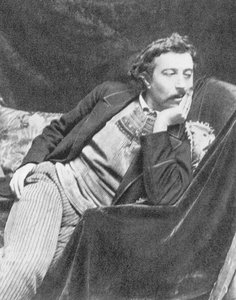
Eugène Henri Paul Gauguin: En Revolutionär Konstnär i Färg och Symbol
Eugène Henri Paul Gauguin, ett namn som vibrerar av livfulla färger och en rebellisk anda, står som en nyckelperson i övergången från impressionism till modern konst. Hans liv, född 1848 i Paris, var allt annat än konventionellt. Hans tidiga år präglades av en ovanlig bakgrund; hans far var journalist, och hans mor härstammade från peruansk aristokrati – hennes mormor, Flora Tristan, en banbrytande feminist och socialistisk skribent vars idéer utan tvekan resonerade inom familjen. Denna arvförmaning formade Gauguins konstnärliga vision djupt, instället för ett intresse för europeiska kulturer. En tidig upplevelse i Peru som barn, efter familjens flyttning 1850, försänkte honom i en värld radikalt annorlunda än parisisk samhälle – en erfarenhet som kvarstod och slutligen drev hans strävan efter autenticitet i konsten. Återvändandet till Frankrike efter faderns död gav Gauguin en formell utbildning, men han kände sig inte dragad till akademien, utan snarare till den blomstrande finansvärlden, där han började som aktiehandlare – en väg som tycktes stå i skarp kontrast till den konstnärliga ödet som väntade honom.
Från Finans till Konstnärlig Kallning
Under många år ledde Gauguin ett dubbelliv, med noggrann uppföljning av sina affärsintressen samtidigt som han diskret vårdade en passion för måleri. Initialt påverkades han av impressionisterna och började experimentera med färg och ljus i sin fritid, men kände snart sig begränsad av deras engagemang för att fånga flyktiga ögonblick av verklighet. Den ekonomiska krisen 1882 visade sig vara en vändpunkt, tvingande honom att lämna sitt lukrativa yrke och helhjärtat omfamna sin konstnärliga kallning. Detta var inte bara ett yrkesbyte; det var en fundamental förändring i världsbilden. Han sökte vägledning från Camille Pissarro, som uppmuntrade hans utveckling och introducerade honom till de avantgardistiska kretsarna i Paris. Trots detta började Gauguin snabbt avvika från impressionistiska principer, längtande efter något mer uttrycksfullt, något mer symboliskt – ett medel för att förmedla inte bara vad han *såg*, utan vad han *kände*. Denna längtan ledde honom på en resa av konstnärlig utforskning som skulle ta honom långt bortom de parisiska salongerna och in i hjärtat av “primitiva” kulturer. Han var inte bara intresserad av att föreställa sig dessa kulturer; han sökte att absorbera deras essens, troende att de innehöll en renhet som hade förlorats i västerländsk civilisation.
Uppmaningen till Brittany och Tahiti
Gauguins konstnärliga utveckling var oundvikligen kopplad till hans resor. Han tillbringade tid i Bretagne, fascinerad av landskapens robusta karaktär och de djupt rotade traditionerna hos dess folk. Denna period såg honom experimentera med platta former, djärva konturer och en förenkling av kompositionen – tekniker som förde honom ytterligare bort från naturalismen och närmare ett mer symboliskt språk. Men hans resa till Tahiti 1891 var verkligen en utlösande faktor för hans kreativa potential. Sökande efter skydd från vad han ansåg vara de kväljande begränsningarna i europeisk civilisation, hoppades Gauguin att hitta inspiration i polynesisk kultur, troende att den erbjöd ett renare, mer autentiskt sätt att leva. Detta var inte bara en konstnärlig strävan; det var en andlig sökning. Han sjönk ner i lokala seder och bruk, föreställde polinesiska kvinnor, landskap och religiösa praktiker genom sitt unika perspektiv. Påverkad av japanska tryck – *Japonisme* – och medeltida konst utvecklade han en distinkt estetik präglad av livfulla färger, exotiska motiv och en aura av mystik. Ikoniska målningar som
“Vahine no te miti” (Kvinna med mango),
“Manao Tupapau” (Vakt vid dödsriket) och
“The Day of Gods uppstod under denna period, vilket befäste hans rykte som en visionär konstnär. Hans användning av färg blev alltmer djärv och icke-naturlig, tjänande inte att återskapa verkligheten utan att uttrycka känslor och andlig mening.
Arv och Kontrovers
Trots sin konstnärliga triumf var Gauguins liv ofta präglat av svårigheter. Han kämpade med ekonomiska problem och försämrad hälsa under sin tid i Tahiti och senare på Marquesasöarna, där han slutligen etablerade sig. Trots detta fortsatte han att måla flitigt, obevekligt utforskande av teman som liv, död och andlighet. Han dog 1903 på Hiva Oa, en avlägsen ö i Marquesasarkipelagen, i stort sett okänd för sin geni. Det var först efter hans död som Gauguins verk började få den erkännelse de förtjänade. Idag hyllas han som en nyckelperson i utvecklingen av modern konst, som broderar in mellan impressionismen och symbolismen och banar väg för rörelser som Fauvismen. Hans användning av färg, platta former och symboliska bilder har haft ett djupt inflytande på konstnärer som Pablo Picasso, Henri Matisse och många andra. Han är dock en kontroversiell figur på grund av aspekter av hans personliga liv – särskilt hans relationer med unga polinesiska kvinnor – som fortsätter att debatteras och tolkas i ljuset av samtida etiska överväganden. Trots detta är hans konstnärliga bidrag obestridliga, och hans arv inspirerar konstälskare och konstnärer världen över. Han var en sann innovatör, en rebelskare som vågade utmana konventioner och forma sitt eget öde, lämnande efter sig ett verk som är lika fängslande och gåtfullt som mannen själv.
Viktiga Influenser & Konstnärliga Egenskaper
- Impressionism: Tidig påverkan på färg och ljus, senare avvisad för dess fokus på flyktiga ögonblick.
- Japonisme: Inspirerade platta perspektiv, djärva konturer och dekorativa mönster.
- Medeltida konst: Påverkade symbolisk bildspråk och en avvikelse från strikt realism.
- Syntetism: En stil utvecklad av Gauguin som betonar skapandet av konst baserat på subjektiv upplevelse snarare än objektiv observation.
- Primitivism: Fascination med icke-europeiska kulturer, troende att de erbjöd ett renare och mer andligt sätt att leva. Detta återspeglas i hans motiv och stilval.



 Förhandsvisa
 Beställ handmålad reproduktion
 Skicka
 Dela
Dela
 Visa detaljer

 Ladda ner
 Liknande objekt
 Röntgen
 Bildspel
 Statistik

 Visa mer






































 Glasalternativet är endast tillgängligt i storlekar under 110 cm.