


 Olja på dukVäggkonstPost-Impressionism
 1873talet
 38.0 x 46.0 cm
Köp en högupplöst, förbättrad digital bild med betydligt högre kvalitet än förhandsvisningen online.
Varje fil är noggrant förberedd av våra interna specialister med hjälp av avancerade verktyg och professionell manuell retuschering. Vi säkerställer att varje bild har exceptionell skärpa, exakt färgåtergivning och fina detaljer.
Den slutgiltiga filen levereras via e-post inom 72 timmar, optimerad för omedelbar användning i professionella sammanhang, redaktionellt bruk och tryckmiljöer. Detta är samma kvalitet som med förtroende används av ledande designstudior, förlag och gallerier.
Ladda ner en högupplöst fil för personlig visning, utskrift och kreativa projekt. ( Beställ tryck Beställ handmålad reproduktion)
När du väljer WahooArt.com får du inte bara en bild – du får ett professionellt förädlat digitalt konstverk, skapat med precision och med en garanterad tillfredsställelse. Här är allt som ingår i din beställning, automatiskt:

Din högupplösta digitala bild skickas till dig via e-post inom 72 timmar efter beställning – redo för omedelbar användning.

Ditt konstverk optimeras professionellt med hjälp av avancerade AI-verktyg och manuell redigering, vilket garanterar maximal detaljrikedom, skärpa och färgnoggrannhet.

Har du råkat radera eller tappa bort din fil? Ingen oro – vi skickar den kostnadsfritt till dig när som helst.

Njut av ditt konstverk omedelbart utan tull, importavgifter eller leveranskostnader – digitala nedladdningar är alltid skattefria.

Vi säkerställer att din digitala bild återger de ursprungliga färgerna så exakt som möjligt med hjälp av professionella verktyg och färghantering.

Om du inte är nöjd med din digitala bild kommer vi att revidera den eller återbetala 100% inom 100 dagar – utan frågor.

Inte nöjd? Få full återbetalning inom 100 dagar efter att du har tagit emot din digitala fil – utan frågor och diskussioner.

Köp 3 bilder, spara 10% – Köp 5, spara 15% – Köp 10+, spara 20%. Perfekt för kreativa projekt, gallerier och byråer.
Paul Gauguin's "Clearing," painted in 1873, isn’t merely a landscape; it’s an immersion into the artist’s evolving vision and a poignant glimpse of his burgeoning interest in capturing the essence of both nature and human experience. This work, residing within the early chapters of Gauguin’s artistic development, stands as a crucial precursor to his later, more intensely symbolic explorations of Tahiti and beyond. It reveals a young Gauguin grappling with color, form, and the very act of representing the world around him – a process he would relentlessly reinvent throughout his career.
The scene itself is deceptively simple: two figures, rendered in muted tones yet imbued with a quiet dignity, stand within a grassy field. Surrounding them are trees, not sharply defined but rather suggested through dappled light and shadow, creating an atmosphere of profound tranquility. The composition isn’t concerned with dramatic perspective or meticulous detail; instead, Gauguin prioritizes the *feeling* of the space – a sense of openness, peace, and connection to the natural world. This deliberate choice reflects his growing departure from the prevailing Impressionist focus on fleeting moments and optical accuracy, moving towards a more subjective and emotionally driven approach to painting.
“Clearing” is deeply rooted in Gauguin’s nascent exploration of what would later become known as “Synthetism.” This revolutionary style, developed during his time in Brittany, sought to move beyond mere representation, aiming instead to synthesize color and form into a unified visual experience. Notice the bold, flattened planes of color – the greens of the field, the browns of the trees, the subtle blues of the sky – applied with thick, visible brushstrokes. These aren’t attempts to mimic reality; they are deliberate choices designed to evoke mood and atmosphere. Gauguin's use of complementary colors—the juxtaposition of green and orange, for example—creates a vibrant energy that subtly animates the scene.
Furthermore, the figures themselves are rendered with an almost schematic quality. Their forms are simplified, their features indistinct, serving primarily as anchors within the landscape rather than subjects of intense scrutiny. This simplification is characteristic of Gauguin’s desire to strip away extraneous detail and focus on the essential elements of his subject matter – in this case, the harmony between humanity and nature.
Painted during a transitional period in art history, “Clearing” bridges the gap between Impressionism and the more radical movements that would follow. While influenced by the Impressionists’ interest in light and color, Gauguin rejects their emphasis on capturing fleeting moments of visual sensation. Instead, he utilizes these techniques to create a mood of contemplative serenity – a feeling that anticipates his later explorations of primitivism and symbolism.
The painting's historical context is also significant. Gauguin’s early years were marked by a restless search for authenticity and meaning, fueled by his upbringing in Peru and his subsequent return to France. This quest for genuine experience—a rejection of the superficiality of Parisian society—is powerfully reflected in “Clearing.” The figures within the clearing represent a moment of respite, a connection to something deeper than the everyday world.
For art enthusiasts seeking to bring the tranquility of Gauguin’s "Clearing" into their homes, WahooArt.com offers a meticulously crafted hand-painted oil painting reproduction on canvas. This isn't simply a print; it’s an artistic interpretation, painstakingly executed by skilled artisans who understand and respect the nuances of Gauguin’s style. The reproduction faithfully captures the bold colors, visible brushstrokes, and overall atmosphere of the original, ensuring that its serene beauty is preserved for generations to come.
Discover more about Paul Gauguin and his artworks on WahooArt: Paul Gauguin | Eugène Henri Paul Gauguin (1848-1903)

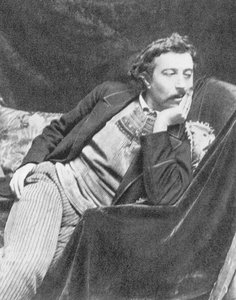
1848 - 1903 , Frankrike

 Förhandsvisa
 Skicka
 Dela
Dela
 Visa detaljer

 Ladda ner
 Liknande objekt
 Röntgen
 Bildspel
 Visa mer


