Édouard Manet: En parisisk revolutionskonstnär
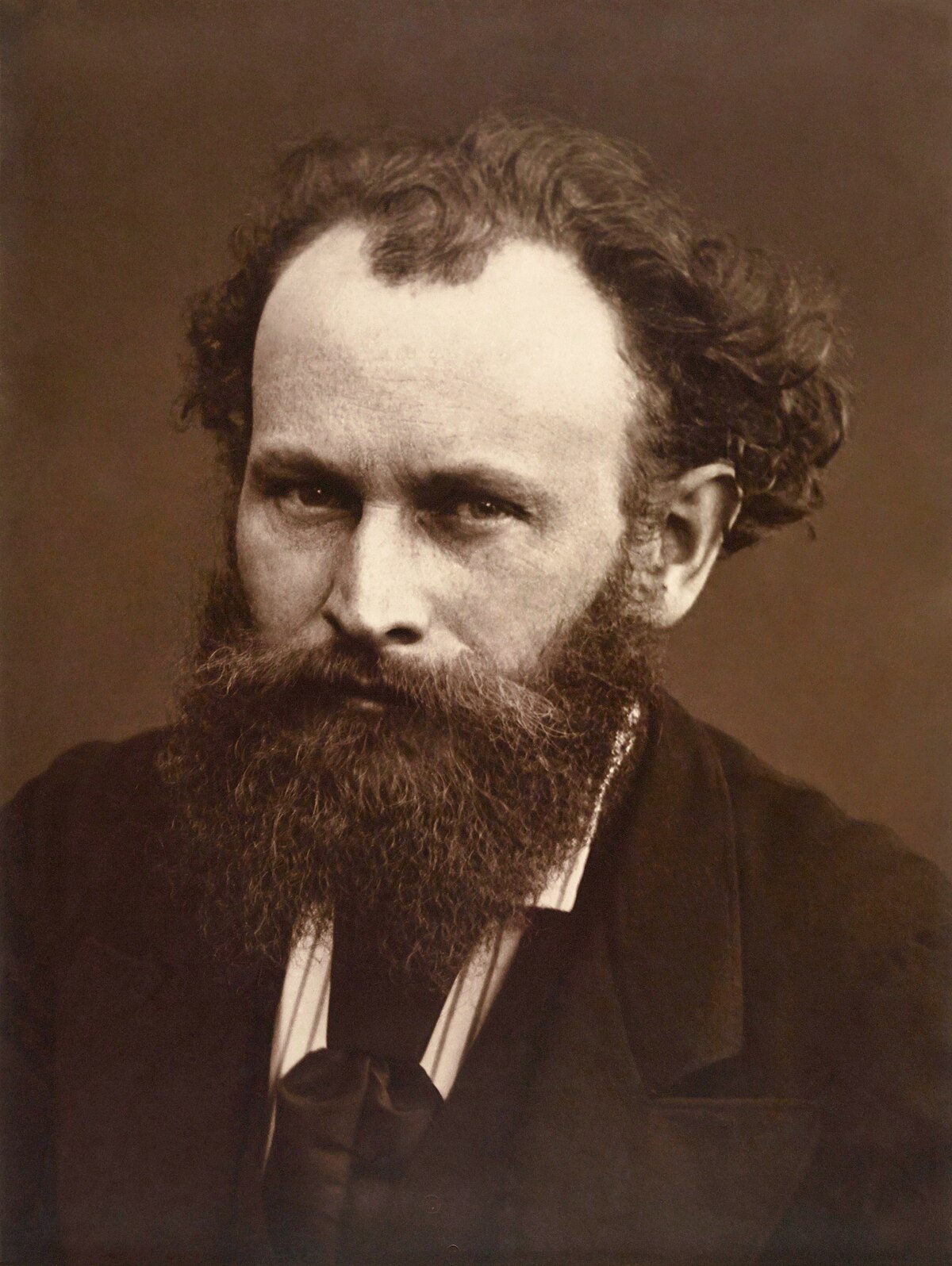
Édouard Manet, född 1832 i ett välbärgat borgerligt hem i Paris, var knappast ämnad för en revolutionärs liv. Hans far, en respekterad domare, såg framför sig en trygg framtid för sin son inom juridiken eller kanske flottan – anständiga yrken som passade deras sociala ställning. Redan som ung pojke låg Manets hjärta hos konsten. Vid elva års ålder började han formella teckningslektioner, och även om han en kort tid var lärling hos den akademiska målaren Thomas Couture, fann han snabbt Coutures rigida metoder kvävande. Detta tidiga motstånd förebådade ett livslångt utmanande av konstnärliga konventioner. Manet var inte intresserad av att bara replikera det förflutna; han sökte fånga den vibrerande – och ibland oroande – verkligheten i det moderna Paris livet. Han besökte ofta Louvren, inte bara för att kopiera gamla mästare utan för att dissekeras deras tekniker, lära sig av konstnärer som Caravaggio och Velázquez hur ljus och skugga kunde forma formen och framkalla känslor. Det var dock en förändring i de konstnärliga strömningarna, särskilt realismens uppkomst med Gustave Courbet i spetsen, som verkligen tände Manets kreativa bana. Courbets insisterande på att avbilda vardagslivet utan idealisering resonerade djupt med Manet och befriade honom från begränsningarna av historiska eller mytologiska motiv.
Genombrott och Skandal: Att utmana etablissemanget
1860-talet var en period av intensiv konstnärlig oro i Paris, och Manet befann sig mitt i händelsernas centrum. Ankomsten av japanska tryck – *ukiyo-e* – påverkade hans estetiska känslighet djupt. Han fascinerades av deras platta perspektiv, djärva kompositioner och slående färgval, element som skulle bli kännetecken för hans egen stil. Denna influens, kombinerad med hans växande motvilja mot akademisk polering, ledde till verk som chockade och skandaliserade den parisiska konstvärlden.
Le Déjeuner sur l'herbe (Frukost i det gröna), utställd på Salon des Refusés 1863 – en utställning för verk som avvisats av den officiella salongen – blev en blixtledare för kontroverser. Målningen, som föreställer en naken kvinna som nonchalant picknickar med två fullt klädda män, handlade inte bara om nakenhet; det handlade om *hur* den nakenheten presenterades. Manets figurer saknade de idealiserade formerna och den mytologiska kontexten i traditionella nudes. De var otvetydigt moderna och konfronterade betraktaren med en oroande direkthet. Skandalen kring
Le Déjeuner intensifierades ytterligare med hans mästerverk från 1865,
Olympia. Denna målning, en avsiktlig omtolkning av Titians *Venus of Urbino*, presenterade en samtida prostituerad som stirrade utmanande på betraktaren. Den skoningslösa realismen och det provocerande ämnet möttes med utbredd fördömelse. Kritiker anklagade Manet för vulgaritet och konstnärlig inkompetens, men under upprördheten låg en insikt om att han fundamentalt förändrade måleriets språk.
Mot Impressionismen: Ljus, penseldrag och det moderna livet
Även om Manet aldrig helt accepterade etiketten "impressionist", var hans inflytande på rörelsen obestridligt. Han delade deras avvisande av akademiska konventioner och deras engagemang för att fånga ljusets flyktiga effekter och atmosfären. Han ställde ut tillsammans med Monet, Renoir, Degas och andra vid impressionisternas självständiga utställningar, vilket befäste hans position som en nyckelfigur i avantgardet. Manets teknik utvecklades mot ett lösare penseldrag, där han prioriterade intrycket av form framför exakta detaljer. Han experimenterade med färg och använde ofta skarpa kontraster för att skapa dramatiska effekter. Utöver de skandalösa nudes utforskade Manet ett brett spektrum av ämnen: porträtt – inklusive slående skildringar av sin fru Suzanne och konstnärskollegan Émile Zola; scener från det parisiska nattlivet, som
A Bar at the Folies-Bergère, som mästerligt fångar främlingskänslan och spektaklet i det moderna stadslivet; och intima hemmascener. Han dokumenterade inte bara dessa motiv; han ifrågasatte dem, utmanade samhällsnormer och konventionella skönhetsbegrepp.
Arv och bestående inverkan
Édouard Manets tidiga död 1883 i syfilis avbröt en karriär som redan hade förändrat konsthistorien oåterkalleligt. Även om hans rykte växte betydligt efter hans bortgång, kände han sig omedelbart igenkänd av yngre konstnärer som såg honom som en befriare. Han bröt ner barriärer och utmanade traditionella föreställningar om ämne, teknik och konstnärligt syfte.
- Hans betoning på att fånga det moderna livet banade vägen för impressionismen och postimpressionismen.
- Hans innovativa användning av penseldrag och färg influerade generationer av målare.
- Hans vilja att konfrontera obekväma sanningar om samhället tvingade betraktarna att ifrågasätta sina egna antaganden.
Manets målningar fortsätter att resonera idag, inte bara för sin estetiska skönhet utan också för deras bestående relevans. Han är fortfarande en nyckelfigur i övergången från realism till impressionism och firas med rätta som en av modern konsts fäder – en parisisk rebell som vågade måla världen som han såg den, med all dess komplexitet och motsättningar. Hans verk fungerar som en kraftfull påminnelse om att sann konstnärlig innovation ofta kommer till priset av att utmana etablerade normer och omfamna vår tids obekväma sanningar.



 Förhandsvisa
 Byt till tryck
 Skicka
 Dela
Dela
 Visa detaljer
 Guide
Guide

 Ladda ner
 Liknande objekt
 Röntgen
 Bildspel
 Statistik

 Visa mer






































 Glasalternativet är endast tillgängligt i storlekar under 110 cm.