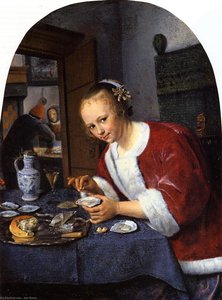
Få en utskriftsfärdig fil som vida överträffar webbförhandsvisningen. Varje digital bild vi säljer kommer från en högupplöst master i vår bilddatabas – vanligtvis mellan 5 000 och 15 000 pixlar bred – så att du med trygghet kan göra stora utskrifter, beskära tätt eller återge fina detaljer.
Ingen fil lämnar vår studio utan att ha bearbetats. En digital expert kontrollerar färgerna mot originalmålningen och korrigerar dem vid behov, för att sedan förbättra skärpa och detaljrikedom med professionella retuscheringsverktyg — alltid med full respekt för konstnärens penseldrag och stil. Resultatet är en bild som ser ut som målningen, inte som en filtrerad skanning.
Du godkänner innan arbetet slutförs: vår expert skickar bilden via e-post inom 72 timmar för din granskning. Inte nöjd? Be om förbättringar eller korrigeringar, eller begär återbetalning om kvaliteten inte lever upp till förväntningarna.
Detta är den kvalitet som förlag, designstudior, gallerier och tryckerier litar på.
Ladda ner en högupplöst fil för personlig visning, utskrift och kreativa projekt. ( Byt till tryck Beställ handmålad reproduktion)
När du väljer WahooArt.com får du inte bara en bild – du får ett professionellt förädlat digitalt konstverk, skapat med precision och med en garanterad tillfredsställelse. Här är allt som ingår i din beställning, automatiskt:
Din högupplösta digitala bild skickas till dig via e-post inom 72 timmar efter beställning – redo för omedelbar användning.
Ditt konstverk optimeras professionellt med hjälp av avancerade AI-verktyg och manuell redigering, vilket garanterar maximal detaljrikedom, skärpa och färgnoggrannhet.
Har du råkat radera eller tappa bort din fil? Ingen oro – vi skickar den kostnadsfritt till dig när som helst.
Njut av ditt konstverk omedelbart utan tull, importavgifter eller leveranskostnader – digitala nedladdningar är alltid skattefria.
Vi säkerställer att din digitala bild återger de ursprungliga färgerna så exakt som möjligt med hjälp av professionella verktyg och färghantering.
Om du inte är nöjd med din digitala bild kommer vi att revidera den eller återbetala 100% inom 100 dagar – utan frågor.
Inte nöjd? Få full återbetalning inom 100 dagar efter att du mottagit din digitala fil – utan frågor.
Köp 3 bilder, spara 10% – Köp 5, spara 15% – Köp 10+, spara 20%. Perfekt för kreativa projekt, gallerier och byråer.
To gaze upon this tabletop is to encounter a frozen moment of exquisite human dedication—a surface that speaks volumes through its meticulous ornamentation. This octagonal piece, rendered in what appears to be a deep, lustrous black stone or metal, serves as a breathtaking testament to the pinnacle of decorative arts from the mid-seventeenth century. The composition immediately draws the eye inward, guided by radiating patterns of inlaid brilliance. It is not merely a functional object; it is a miniature landscape of luxury, where every curve and every embedded gleam tells a story of skilled hands and refined taste.
The artistry here lies in the breathtaking contrast achieved through inlay work. Against the profound depth of the dark base material—perhaps slate or highly polished marble—the decorative elements burst forth in luminous accents of gold, silver, and warm amber tones. These materials have been painstakingly set into the surface, creating a visual dialogue between the solid and the ethereal. The motifs are overwhelmingly organic: delicate blossoms unfurl alongside gracefully winding vines, while geometric precision is maintained by the very structure of the octagon itself. One can almost feel the cool, smooth polish under the fingertips, juxtaposed with the slight, raised texture of the embedded precious metals. This level of detail suggests a mastery akin to pietra dura, elevating the object from mere furniture to wearable art for the room.
Dating to 1650, this piece firmly anchors itself within the rich tapestry of 17th-century European decorative trends. While the artist associated with the era, Dirck van Rijswijck, is known for his intimate genre scenes of domestic life, this tabletop speaks to a broader cultural milieu—one where opulence and natural beauty were celebrated in material form. The aesthetic echoes the grandeur of Baroque ornamentation, an era that reveled in dramatic flourish and elaborate surface decoration. It suggests a setting of considerable wealth, where even everyday objects were expected to participate in a grand visual narrative.
The symbolism woven into these floral and stellar patterns is deeply resonant. Flowers, universally symbols of life's cycle, are rendered here in perpetual bloom, suggesting enduring beauty and renewal. The inclusion of motifs like the dragonfly—often associated with transformation and agility—adds a layer of delicate natural magic. The interplay between the dark background and the shining inlays can be interpreted as the contrast between mystery and revelation, or shadow giving way to brilliant understanding. It is an object that captures light, both literally through its polished surfaces and figuratively through its enduring elegance.
For the collector or designer, this reproduction offers more than just decoration; it offers a curated piece of history imbued with palpable luxury. Imagine this tabletop anchoring a grand hall or serving as a focal point in an exquisitely appointed drawing-room. It invites contemplation, demanding that one slow down and appreciate the thousands of hours of labor embedded within its flawless symmetry. Owning such a reproduction allows one to incorporate the sophisticated drama and timeless grace of Baroque craftsmanship into the modern domestic sphere.
Teman som återfinns i "Tabletop" av Dirck Van Rijswijck inkluderar floral ornamentation, domestic interior, tabletop sculpture, dutch golden age, decorative arts, mother-of-pearl inlay, insect motif. Tillsammans sammanfattar de verkets motiv.
"Tabletop" är utförd i Metal.
Inom Baroque Aesthetic-rörelsen är "Tabletop" präglad av en Calm ton.

To step into the world of Dirck van Rijswijck is to enter a realm where the mundane is elevated to the magnificent. A master of the Dutch Golden Age, Rijswijck possessed a rare ability to find profound beauty within the quiet corners of domesticity. While many of his contemporaries sought the grandeur of epic battles or the drama of mythological deities, Rijswijck turned his gaze inward, toward the soft light filtering through a kitchen window or the meticulous arrangement of a household task. His work serves as a luminous window into the 17th-century Dutch soul, capturing the rhythms of daily life with an intimacy that feels both timeless and deeply personal.
Born in 1596 in Kleve, Germany—a region then under the influence of the Spanish Netherlands—Rijswijck’s early years were steeped in the rich traditions of Flemish Mannerism. This formative period provided him with a foundational understanding of intricate detail and structured composition. The son of a painter and engraver, his apprenticeship was almost predestined, allowing him to absorb the technical rigors of his craft from a young age. As he moved toward the artistic epicenter of Haarlem around 1620, he began to synthesize these early influences with the burgeoning Dutch style, eventually settling in Amsterdam, where he would spend much of his prolific life.
Rijswijck’s artistry was uniquely shaped by a dual identity: he was both a painter and a highly skilled goldsmith. This rare intersection of disciplines allowed him to approach the canvas—and other media—with a jeweler's precision. He was celebrated during his lifetime for his extraordinary ability to execute delicate inlaywork, often utilizing mother-of-pearl set against deep ebony or polished black marble. This technique, which blurred the line between fine art and decorative craft, resulted in breathtaking objects such as his famous tabletops, where organic floral motifs seemed to bloom from dark, lustrous surfaces.
In his paintings, this same obsession with texture and light manifests through a remarkable realism. Whether he was depicting the glint of a pewter plate or the soft translucency of a kitchen vegetable, his brushwork conveyed a tactile reality that invited the viewer to reach out and touch the scene. His style was heavily influenced by the dynamic energy of Peter Paul Rubens, yet Rijswijck tempered this Flemish exuberance with a uniquely Dutch restraint. He utilized rich, warm color palettes and carefully orchestrated compositions to guide the eye through his genre scenes, ensuring that even the smallest detail contributed to the overall narrative of domestic prosperity.
The historical significance of Dirck van Rijswijck lies in his role as a chronicler of the ordinary. His oeuvre, consisting of approximately 150 known works, remains a vital record of the social and material culture of the Dutch Golden Age. Through masterpieces such as “The Kitchen Maid” and “Kitchen Scene with the Supper at Emmaus,” he documented the rituals of a rising merchant class, celebrating the dignity found in labor and the quiet luxury of a well-ordered home.
His contributions to art history can be summarized through several enduring impacts:
Ultimately, Rijswijck’s legacy is one of empathy. He did not merely observe his subjects; he understood them. By imbuing domestic interiors with such profound care and aesthetic splendor, he reminded the world that there is a sacredness to be found in the simplest of human moments.

1596 - 1679 , Germany
 Skicka
 Dela
Dela
 Visa detaljer
 Guide
Guide

 Ladda ner
 Liknande objekt
 Bildspel
 Frågor och svar
 Statistik


 Visa mer