KOSTNADSFRI KONSTRÅDGIVNING

x
Beställ målning Beställ målningKöp högupplöst digital bild Köp högupplöst digital bild SkickaSkicka
DetaljerDetaljer Lägg till i favoriter Lägg till i favoriter Ladda nerLadda ner Liknande objektLiknande objekt RöntgenRöntgen BildspelBildspel

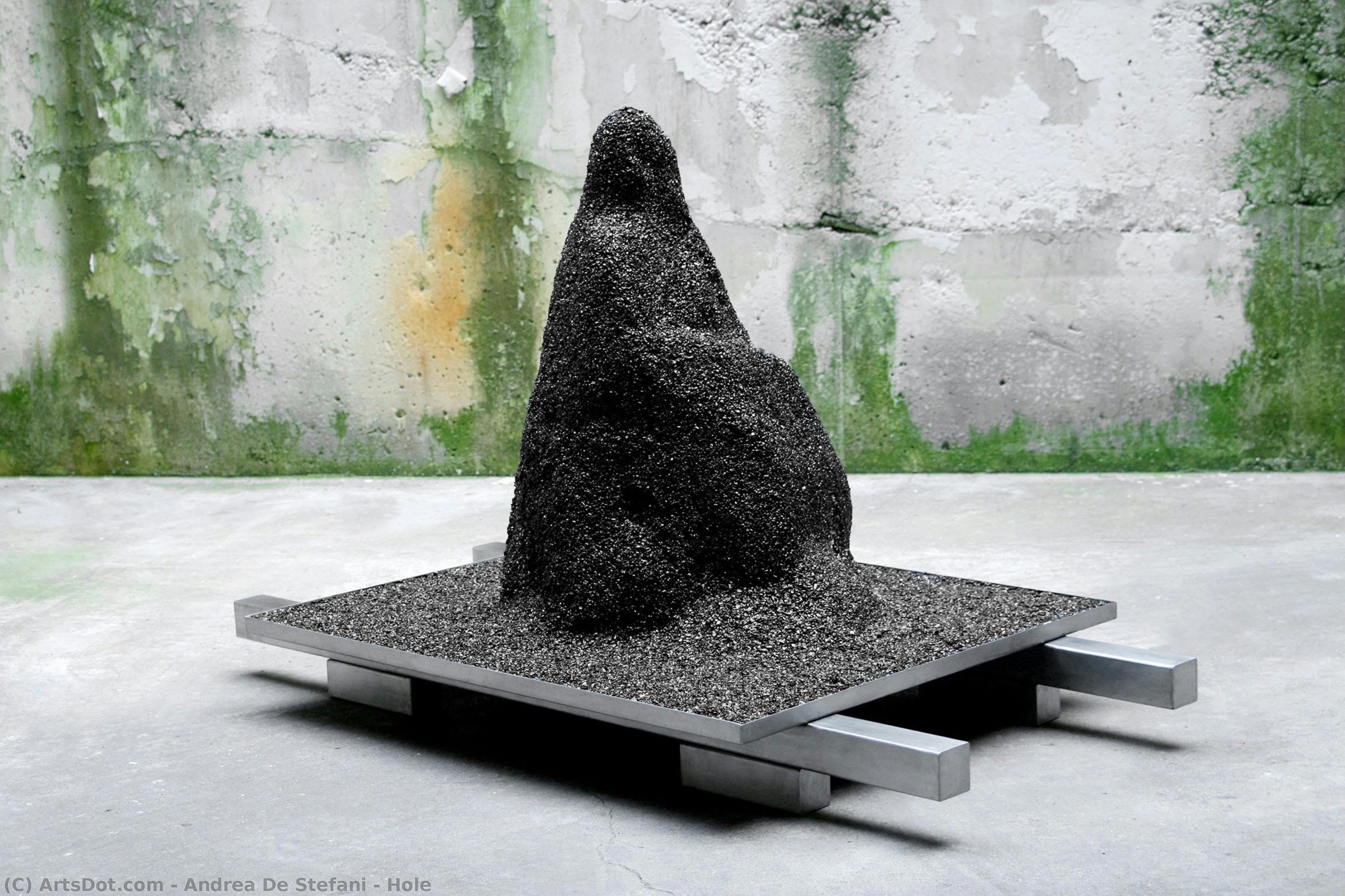
Hole

Italian visual artist Andrea de Stefani creates captivating works exploring digital culture & decay through layered imagery & surreal compositions. Venice-based.

Giclée / Konsttryck

Giclée- eller canvasprint av museumskvalitet med snabb produktion och flexibla ytbehandlingsalternativ.

Standard
custom
CM
INCH

Välj bland våra förinställda storlekar som motsvarar konstverkets ursprungliga proportioner.

bredd
höjd

Du kan ange egna mått för att passa en specifik ram eller yta. Om det valda måttet inte överensstämmer med originalbildens proportioner kommer vi antingen att beskära konstverket eller utöka bilden med en speglad eller enfärgad kant. En digital mockup skickas för ditt godkännande innan produktionen påbörjas.
Vänligen notera att förhandsvisningen på skärmen inte återspeglar den faktiska beskärningen eller utökningen. Endast mockuppen visar den slutgiltiga kompositionen korrekt.
Även om anpassade storlekar är möjliga, rekommenderar vi att du väljer ett mått från den fördefinierade listan för att bevara de ursprungliga proportionerna.

Leverans över hela världen () på 2 veckor istället för standard 4/5 veckor. (2 juli)

why_choose_icon
Fri expressfrakt över hela världen
why_choose_icon
Högkvalitativ linnecanvas
why_choose_icon
Fullständig fraktförsäkring
why_choose_icon
Garantier för återbetalning av tullavgifter
why_choose_icon
Garantier för exakt färgåtergivning
why_choose_icon
60 dagars returrätt (endast vid fabrikationsfel)
why_choose_icon
100% pengarna tillbaka-garanti
why_choose_icon
Mängdrabatt erbjuds

Totalpris

-

reproduction

Hole

Giclée / Konsttryck

Storlek på reproduktion

-

Slutgiltigt pris

-

Beskrivning av samlarobjektet

Each ecosystem known to man is disseminated by a consistent series of signs that suggest complex underlying relations, capable of explaining, through nature, different forms of human organization. My attention is turned on elements that determine an anthropological dimension in diverse landscapes. This primarily research-based activity is focused on crossing places and meeting physical realities expressing the dynamism of cultures with great succinctness. Exploring the places I find myself in, looking round with the aim of learning to interpret and manipulate these signs, is my method of investigating the flux of cultural transformation, to imagine its possible courses, to build and share an esthetic universe, a constellation of images taken from the road and remixed. Hole: I filled a cavity of a road surface with asphalt, then i flipped the resulting mass on a supportive structure.

Konstnärsbiografi

Early Life and Artistic Foundations

Andrea de Stefani, born in Arzignano, Italy, in 1982, emerged from a landscape steeped in artistic tradition yet increasingly shaped by the currents of digital culture. His formative years coincided with a period of rapid technological advancement, an environment that would profoundly influence his aesthetic sensibility and conceptual approach. De Stefani’s initial exploration of art wasn't confined to traditional mediums; he pursued studies in both visual and performing arts at IUAV University in Venice, fostering a multidisciplinary perspective that allowed him to seamlessly integrate diverse creative disciplines into his practice.

This academic foundation proved crucial in developing his unique voice. Rather than adhering strictly to established artistic norms, De Stefani began experimenting with the interplay between analog and digital techniques, recognizing the potential of technology not merely as a tool but as an inherent component of contemporary experience. Venice itself—a city layered with history, art, and a palpable sense of decay—became both a subject and a catalyst for his work.

The Emergence of a Digital Aesthetic

De Stefani’s early exhibitions signaled the arrival of a distinctive artistic vision. Works like ‘Il crepaccio Instagram show’ (2018) weren't simply displays of art; they were immersive experiences that directly engaged with the pervasive influence of social media. The title itself points to his fascination with platforms like Instagram, not as superficial outlets but as spaces where identity is constructed, memories are curated, and reality is often fragmented or distorted.

His technique began to coalesce around a layered aesthetic—a deliberate accumulation of imagery sourced from diverse origins: digital archives, found photographs, personal recollections, and the detritus of online culture. These elements aren’t seamlessly blended; instead, they exist in a state of tension, revealing glimpses of underlying structures and hinting at the instability of perception. This approach reflects a broader concern with the ephemerality of information and the challenges of navigating an increasingly virtual world.

Influences and Conceptual Development

While De Stefani’s work is distinctly contemporary, it resonates with historical precedents. The fragmented compositions and layered perspectives evoke echoes of Cubism and Surrealism, particularly the collage techniques of artists like Kurt Schwitters and Max Ernst. However, he diverges from these influences by incorporating the visual language of digital glitches, screen artifacts, and the aesthetic conventions of internet culture.

His exploration of landscape, as highlighted in critical reviews of exhibitions focusing on contemporary Italian art, further reveals his conceptual depth. De Stefani doesn’t depict landscapes in a traditional sense; rather, he reconstructs them through layers of digital imagery, creating surreal and often unsettling visions that reflect the psychological impact of environmental change and the alienation of modern life. The notion of landscape as a mirror to the soul—a concept explored by Romantic philosophers like Henri-Frédéric Amiel—is subtly reinterpreted within the context of the digital age.

Major Achievements and Recognition

De Stefani’s work has garnered increasing attention in recent years, with solo exhibitions at prominent venues such as Marsèlleria in Milan (2016) and features in esteemed institutions like Fondazione Sandretto Re Rebaudengo. These achievements underscore his growing recognition within the contemporary art world.

His success isn’t solely attributable to technical skill; it stems from a profound conceptual clarity and an ability to articulate the anxieties and complexities of our time. De Stefani doesn't offer easy answers or straightforward narratives; instead, he presents viewers with fragmented realities that demand active engagement and critical reflection.

Historical Significance and Current Practice

Andrea de Stefani occupies a unique position within contemporary art—bridging the gap between traditional artistic practices and the digital realm. His work serves as a compelling commentary on the impact of technology, the construction of identity in the age of social media, and the challenges of navigating an increasingly virtual world.

Currently residing and working between Venice and Vicenza, De Stefani continues to push the boundaries of his artistic practice. He remains committed to exploring the interplay between analog and digital techniques, creating captivating works that challenge our perceptions of reality and invite us to question the nature of memory, identity, and experience in the 21st century.

andrea de stefani

andrea de stefani

1982 - , Italy

Kortfattad information

  • Artistic Movement Or Style: Digital art, Surrealism
  • Current Status: Living
  • Date Of Birth: 1982
  • Education: IUAV University Venice
  • Full Name: Andrea de Stefani
  • Nationality: Italian
  • Notable Artworks:
    • Il crepaccio Instagram show
    • Capriccio 2000
  • Place Of Birth: Arzignano, Italy