Почетак пута: Филаделфија и формирање уметника
Виљем Џејмс Глекенс, један од пионира Ашкан школе, оставио је неизбрисив траг на америчкој сликарској сцени. Рођен у Филаделфији, Пенсилванија, 1870. године, Глекенсов живот био је посвећен страсном изразу стварности кроз реалистичке композиције. Његов рани период обележен је природном склоношћу према уметности, што га је одвело на Пенсилванијску академију финих уметности. Ту је, под менторством Томаса Аншуца, прослављеног реалисте, развијао своје вештине и постао један од оснивача Ашкан школе – покрета који се буну против конвенционалних идеја лепоте, усмеравајући фокус на сурову стварност градског живота. Глекенс није желео да идеализује свет; желео је да га представи онаквог какав јесте, са свим његовим манама и лепотама.
Париз, Њујорк и суштина свакодневног живота
Глекенсов рад се одликује тамним нијансама и живим приказима улица пре Првог светског рата у Њујорку и Паризу. Као илустратор за новине и часописе, Глекенс је стекао драгоцено искуство посматрања живота изблиза. У његовим каснијим делима види се утицај Реноара, који доноси светлије тонове и одражавају еволуцију уметника. Глекенс је био мајстор у заробљавању суштине обичног живота – тренутака које многи други не би запазили. Његова способност да пренесе атмосферу, звук и осећања градске средине била је изузетна. Слика "Поглед на Харлем са просторима за бељење", дело Јакоба Исааксона ван Рујсдаела, представља ниво детаља и мајсторства који дефинишу Глекенсов рад. Ово ремек-дело се данас налази у колекцији Крислер музеја уметности.
"Купци": Урбана симфонија
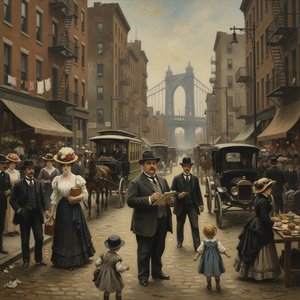
Једно од најзначајнијих дела Виљема Џејмса Глекенса, "Купци", савршено илуструје његов таленат за хватање суштине градског живота. Ова слика, која се може пронаћи у колекцији Нови реализам на WahooArt.com, је права урбана симфонија – жива сцена пуна покрета, боја и емоција. Глекенс не приказује само људе који купују; он нам нуди увид у живот, друштвене односе и атмосферу града. Композиција је динамична, а палета боја богата и изражајна.
Наслеђе и трајан утицај
Глекенсов допринос америчкој уметности је вишеструки. Поред свог сопственог рада, одиграо је кључну улогу у помоћи Алберту К. Барнсу да стекне европска дела за Фондацију Барнс у Филаделфији – збирку која је постала камен темељац америчке историје уметности. Његов рад је инспирисао многе касније генерације уметника, а његова посвећеност реалистичком приказу стварности остаје релевантна и данас.
Кључна дела и колекције:
- "Купци" (Нови реализам, уље на платну, Крислер музеј уметности)
- "Поглед на Харлем са просторима за бељење" (Рујсдаел, Замак Сфорца, Милано, Италија)
Препоручена литература:
- https://WahooArt.com/@/william-james-glackens - истражите опширну колекцију Глекенсових дела на WahooArt.com.
- https://en.wikipedia.org/wiki/william_glackens - удубите се у детаљну биографију Виљема Џејмса Глекенса на Википедији.



 Pregledaj u prostoru
 Pređi na prodaju štampanih primeraka
 Podeli
 Podeli
 Detalji
 Vodič
Vodič

 Preuzmi sliku
 Slični predmeti
 Rendgenski snimak
 Automatska prezentacija
 Statistika


 Pročitaj više






































 Opcija sa staklom dostupna je samo za dimenzije manje od 110 cm