


Giclée štampa ili print na platnu muzejskog kvaliteta uz brzu izradu i raznovrsne opcije završne obrade. ( Kupite ručno oslikano delo Pređi na digitalnu sliku)





























Izaberite jednu od naših unapred definisanih veličina koje odgovaraju originalnim proporcijama umetničkog dela.

Unesite željenu širinu i visinu kako bi se štampa uklopila u vaš ram ili zid. Štampu je moguće samo iseći, ali nikada povećati iznad dimenzija originalne slike, stoga format sa drugačijim proporcijama uzrokuje gubitak dela slike. Pre početka štampe, poslaćemo vam digitalni prikaz radi potvrde. Slika prikazana na ovoj stranici ne predstavlja stvarni isrez — to pokazuje samo digitalni prikaz.
Dostava širom sveta () za 2 nedelje umesto uobičajenih 4/5 nedelja. (8 новембар)
The morphinist
Dimenzije reprodukcije
Janos Vaszary’s “The Morphinist,” painted in 1930, is more than just a portrait; it's a haunting meditation on the anxieties of modernity. This arresting image, now residing within the esteemed collection of the Hungarian National Gallery in Budapest, immediately draws the viewer into a world of muted colors and unsettling stillness. The central figure, a woman lying prone with her head turned to the left, embodies a profound sense of isolation – a feeling acutely relevant even today. Her posture, coupled with the towering, shadowy male figure behind her, speaks volumes about the alienation inherent in urban life, where individuals can feel adrift amidst the relentless flow of city existence.
“The Morphinist” is firmly rooted in the artistic currents of its time, most notably Art Deco. The painting’s style echoes the bold lines and vibrant color palettes characteristic of Art Deco posters and fashion magazines of the 1930s. Vaszary masterfully employs a light background overlaid with carefully constructed colored lines, creating a powerful visual effect that draws the eye to the central figure while simultaneously immersing the viewer in the scene’s atmosphere. The technique is precise and deliberate, showcasing a deep understanding of color theory and composition – hallmarks of Vaszary's training under Gabriel von Hackl in Munich.
Created in 1930, “The Morphinist” reflects a period of significant social and psychological change. The rise of industrialization and urbanization had led to widespread feelings of alienation and anxiety, themes that Vaszary explored with remarkable sensitivity. The inclusion of the Buddha’s head on the left side is particularly noteworthy; it represents a yearning for spiritual solace amidst the turmoil of modern life – a common sentiment during this era. Vaszary's work aligns with the broader context of Hungarian Impressionism and his artistic journey, beginning with traditional training in Munich and culminating in Parisian influences that shaped his unique style. His connection to the Hungarian National Gallery solidifies his place as a pivotal figure in Hungarian art history.
Size:** 149 x 120 cm Date:** 1930“The Morphinist” transcends its historical context, offering a timeless reflection on the human condition. It’s a painting that invites contemplation – prompting questions about identity, isolation, and the search for meaning in an increasingly complex world. This reproduction captures not just the visual elements of Vaszary's masterpiece but also the emotional weight and intellectual depth that have made it such a significant work of art. It is a powerful addition to any collection, offering both aesthetic pleasure and profound insight.
„The morphinist”, autor János Vaszary se preporučuje za Accent, idealno u Living Room. Upotreba i prostor zajedno ukazuju na to gde reprodukcija najbolje pristaje.
Da biste pregledali reprodukciju dela „The morphinist”, autor János Vaszary, otvorite stranicu Pregled u prostoru za to umetničko delo.
Delo "The morphinist" pripisuje se umetniku János Vaszary.


1867 - 1939 , Hungary

Discover the breathtaking allure of Art Deco. Explore the era's iconic geometry, legendary designers like Erté, and timeless glamour. Perfect for discerning collectors seeking to infuse their spaces with sophisticated modernist elegance and historical prestige.
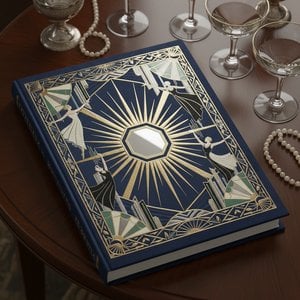
Discover the allure of Art Deco through a curated guide to its most iconic masterpieces. Explore the elegance of Erté and the innovation of Jean Dunand, perfect for collectors seeking timeless glamour and sophisticated design inspiration.

Master the nuances of Giclée printing with our expert guide. Discover how pigment-based inks and museum-grade substrates create fade-resistant, high-fidelity art reproductions designed for discerning collectors seeking unparalleled quality and longevity.

Discover the pinnacle of fine art reproduction with WahooArt.com’s premium textured Giclée prints. Our archival-quality, hand-enhanced masterpieces offer museum-grade depth and lasting value for the discerning collector seeking to elevate their private estate or luxury decor.

Otkrijte WahooArt.com F.A.Q.: Vrhunski posteri visokog sjaja za elite kolekcionare. Ekskluzivne fine art reprodukcije, personalizovana umetnost i besprekorna globalna dostava. Transformišite svoj moderan interijer uz garanciju vrhunske kvalitete i autentičnosti.
 Pregledaj u prostoru
 Pošalji
 Podeli
 Detalji o delu
 Vodič
Vodič

 Preuzmi
 Slični predmeti
 Rendgenski snimak
 Automatska prezentacija
 Pitanja i odgovori
 Statistika


 Pročitaj više









 Opcija sa staklom dostupna je samo za dimenzije manje od 110 cm


