Sell

Sell Your Art
x
PreviewPreview Kupi štampu Kupi štampuKupi digitalnu sliku Kupi digitalnu sliku PošaljiPošalji
Detalji o deluDetalji o delu Dodaj u omiljene Dodaj u omiljene ПреузмиПреузми Slični predmetiSlični predmeti Rendgenski snimakRendgenski snimak SlajdoviSlajdovi

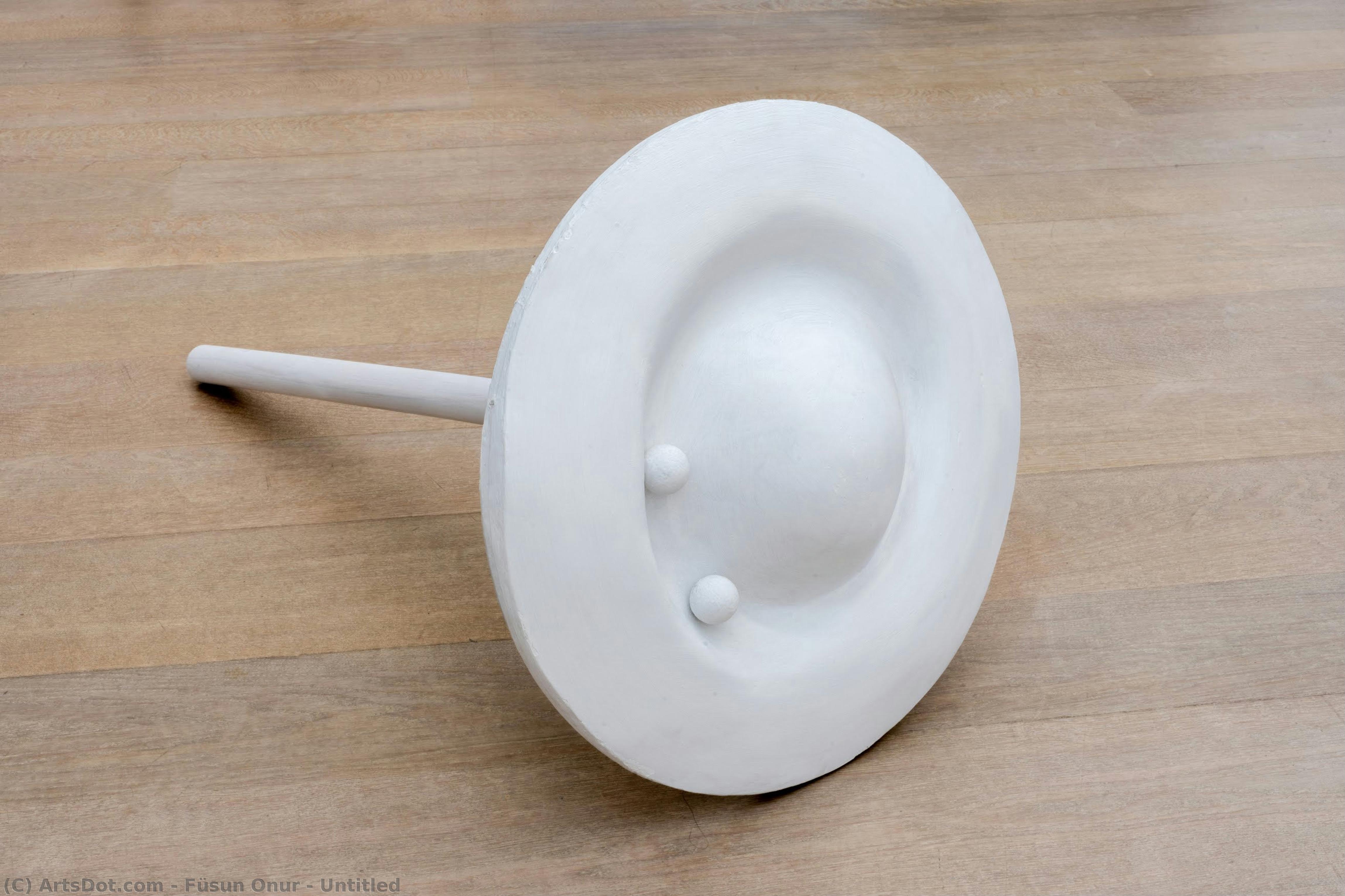
Untitled

Füsun Onur’s ‘Untitled’ (1970) captures a simple knob in stark white & grey, showcasing photographic realism & subtle textures. Explore this evocative Turkish artwork.

Explore the evocative works of füsun onur, a Turkish artist using everyday materials to capture space, time & rhythm in Istanbul. Discover her unique sculptures & paintings.

Ručno rađena uljana reprodukcija

Ručno oslikano uljanim bojama na platnu u dimenzijama i okviru po vašem izboru, izrađeno po porudžbini od strane naših umetnika.

Standard
custom
CM
INCH

Izaberite jednu od naših unapred definisanih veličina koje odgovaraju originalnim proporcijama umetničkog dela.

širina
visina

Можете унети сопствене димензије како бисте прилагодили дело одређеном оквиру или простору. Ако одабрана величина не одговара пропорцијама оригинала, слика ће бити исечена или проширена додатним елементима који се ручно насликавају. Дигитални prikaz ће вам бити послат на одобрење пре почетка производње.
Имајте на уму да преглед на екрану не одражава стварно исецање или проширење. Само приказ (mockup) ће тачно приказати коначну композицију.
Иако су доступне прилагођене величине, препоручујемо да одаберете димензију из дефинисане листе како бисте сачували оригиналне пропорције.

Primeri onoga što se može promeniti: Zamena lica fotografijom kupca; Dodavanje ljubimca (npr. zamena mačke psom); Uključivanje skrivene poruke u pozadini; Promena pejzaža ili elemenata pozadine.
Nakon narudžbine, tim WahooArt.com će klijentu putem e-pošte poslati uputstva i dostaviti prikaz predloženog rešenja

Isporuka širom sveta () za 3/4 nedelje umesto uobičajenih 5 nedelja. (24 јул). Bez kompromisa po pitanju kvaliteta.

why_choose_icon
Besplatna ekspresna dostava širom sveta
why_choose_icon
Visokokvalitetno laneno platno
why_choose_icon
Kompletno osiguranje transporta
why_choose_icon
Garancija povraćaja carine i uvoznih dažbina
why_choose_icon
Garancija vernosti boja
why_choose_icon
Politika povrata u roku od 60 dana (samo u slučaju nedostataka)
why_choose_icon
Garancija povrata novca od 100%
why_choose_icon
Popust pri grupnoj kupovini

Ukupna cena

-

reproduction

Untitled

Tehnika reprodukcije

Dimenzije reprodukcije

-

Konačna cena

-


Biografija umetnika

Early Life and Artistic Foundations

Füsun Onur, a pivotal figure in contemporary Turkish art, was born in Istanbul in 1938, a city steeped in history and cultural confluence. Her formative years were spent amidst the vibrant tapestry of post-war Turkey, a period marked by burgeoning modernization and a reevaluation of artistic traditions. After completing her education at Üsküdar American High School for Girls in 1956, Onur embarked on her formal art training at the Istanbul Academy of Applied Fine Arts, where she studied sculpture under the guidance of Ali Hadi Bara. This foundational period instilled in her a rigorous understanding of form and technique, yet even then, hints of an independent spirit began to emerge—a desire to move beyond conventional boundaries. A Fulbright scholarship in 1962 provided a transformative opportunity, allowing Onur to pursue advanced studies at the Maryland Institute College of Art in the United States from 1963 to 1967. This exposure to international art currents broadened her perspective and solidified her commitment to conceptual exploration.

A Departure From Traditional Sculpture

Upon returning to Turkey, Onur deliberately chose a path of artistic independence, establishing her atelier in Kuzguncuk, Istanbul—a neighborhood that would become intrinsically linked to her creative process. While her early works demonstrated proficiency in abstract geometric sculpture, she soon began to dismantle the conventions of solid form, embarking on a journey that blurred the lines between painting and sculpture. This wasn’t merely a stylistic shift; it was a fundamental questioning of what art could be. She increasingly incorporated everyday materials—paper, cardboard, wood, found objects—into her practice, imbuing them with new meaning through careful arrangement and subtle interventions. These weren't haphazard assemblages but rather meticulously considered explorations of space, time, rhythm, and the inherent qualities of the chosen materials.

The House as a Source of Inspiration

A defining element in Onur’s artistic development is her deep connection to her family home in Kuzguncuk, where she lived with her sister İlhan Onur until her passing in 2022. The house itself—filled with furniture and mementos spanning generations—became a living archive, a repository of personal history and collective memory. Situated on the Bosporus, the ever-changing waters served as a constant source of inspiration, influencing her exploration of fluidity, fragmentation, and the ephemeral nature of experience. This intimate connection to place is palpable in her work, which often evokes a sense of nostalgia, contemplation, and the subtle beauty of everyday life. The house wasn’t simply a subject matter; it was an active participant in her creative process, providing materials, textures, and narratives that informed her installations.

Themes of Space, Time, and Social Commentary

Onur's artistic practice is characterized by a profound sensitivity to the interplay of space and time. Her installations are not static objects but rather dynamic environments that invite viewers to engage with their surroundings in new ways. She often employs repetition, layering, and fragmentation to create a sense of rhythmic extension—a visual echo that resonates beyond the confines of the artwork itself. Beyond formal concerns, Onur’s work also subtly engages with social and political issues. Her response to the painting boom of the 1980s, for example, resulted in works that expanded into space, challenging conventional notions of artistic representation. Similarly, her installations often reflect on Turkey's geopolitical situation and the complexities of modern life, though always through a lens of playful ambiguity rather than overt didacticism. She describes her work as “rhythmic extensions of forms,” suggesting a process of continuous unfolding and reinterpretation.

Recognition and Legacy

Füsun Onur’s contributions to contemporary Turkish art have been increasingly recognized in recent decades. While she has consistently exhibited both nationally and internationally, it was the comprehensive retrospective at Arter in Istanbul in 2014 that brought her work to a wider audience. More recently, a major exhibition at Museum Ludwig in Cologne (2023-2024) further cemented her position as a leading figure in conceptual art. Her works are now held in prominent museum collections worldwide, including Arter (Istanbul), Tate Modern (London), Van Abbemuseum (Eindhoven), and Centre National des Arts Plastiques (Paris). Onur’s legacy lies not only in her innovative use of materials and techniques but also in her ability to create evocative environments that challenge viewers to question their perceptions and engage with the world around them. She is considered a pioneer in expanding the discipline of installation art, enriching it with new debates about form, space, memory, and the power of everyday objects.
füsun onur

füsun onur

1938 - , Turkey

Osnovne informacije

  • Artistic Movement Or Style: Conceptual Art, Installation
  • Date Of Birth: 1938
  • Full Name: Füsun Onur
  • Nationality: Turkish
  • Notable Artworks:
    • Untitled (July)
    • Water by the Sidewalk
    • Untitled (1970)
  • Place Of Birth: Istanbul, Turkey