Pređi na štampu Pređi na štampuKupi ručno naslikanu sliku Kupi ručno naslikanu sliku PošaljiPošalji
Detalji o deluDetalji o delu Dodaj u omiljene Dodaj u omiljene ПреузмиПреузми Slični predmetiSlični predmeti SlajdoviSlajdovi StatistikaStatistika

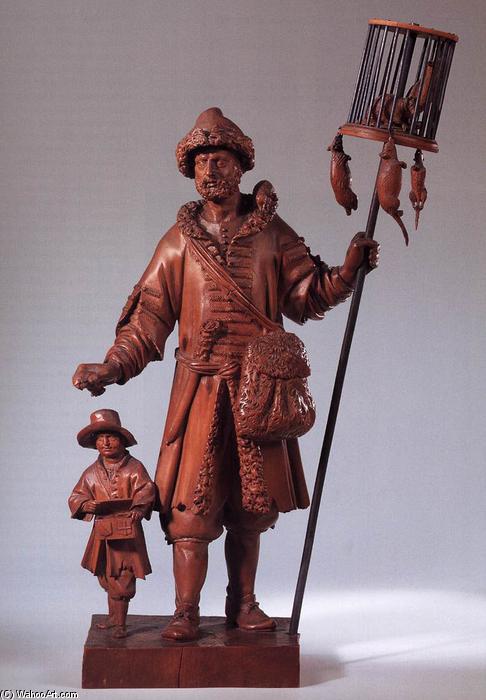
Уловщик крыс

Погледајте дивну скулптуру из Барокног периода од Амбриоса ван Свола – Уловщик крыс, репродукцију која ће обогатити ваш дом и уметнички вкус. Истражите историју и стил овог шедевра холандске бароке!

Discover Ambrosius van Swol, a Dutch master of the 17th century! Explore his captivating rat-catcher scenes & historical art at Museum Van Loon & beyond.

Kupite digitalnu sliku visoke rezolucije i poboljšanog kvaliteta, koja je znatno superiornija od onoga što vidite u online prikazu.

Svaka datoteka je pedantno pripremljena od strane naših stručnjaka koristeći napredne alate i profesionalnu ručnu retušu. Osiguravamo da svaka slika ima izuzetnu oštrinu, preciznu reprodukciju boja i fine detalje.

Konačna datoteka se dostavlja putem e-pošte u roku od 72 sata, optimizovana za neposrednu upotrebu u profesionalnim, izdavačkim i štamparskim okruženjima. To je isti kvalitet kojem veruju vrhunski studiji dizajna, izdavači i galerije.

Digitalna slika

Preuzmite datoteku visoke rezolucije za ličnu upotrebu, štampanje i kreativne projekte. (Pređi na štampu Pređi na štampuKupi ručno naslikanu sliku Kupi ručno naslikanu sliku)

Ukupna cena

$ 24,90

Uključeno uz svaku porudžbinu digitalne slike

Profesionalna digitalna isporuka, zagarantovana

Kada odaberete WahooArt.com, ne dobijate samo sliku – vi primate profesionalno unapređeno digitalno umetničko delo, izrađeno sa najvećom preciznošću i uz garanciju zadovoljstva. Evo svega što automatski dolazi uz vašu porudžbinu:

shipping_icon
Brza dostava putem e-pošte

Vaša digitalna slika visoke rezolucije biće vam poslata putem e-pošte u roku od 72 sata od poručivanja – spremna za trenutnu upotrebu.

canvas_icon
Digitalna datoteka unapređena veštačkom inteligencijom

Vaše umetničko delo je profesionalno optimizovano korišćenjem naprednih AI alata i ručne obrade, čime se osiguravaju maksimalni detalji, oštrina i preciznost boja.

insurance_icon
Besplatna ponovna isporuka doživotno

Slučajno ste obrisali ili izgubili svoju datoteku? Ne brinite – poslaćemo vam je ponovo u bilo kom trenutku, potpuno besplatno.

tax_icon
Bez troškova uvoza – zauvek

Uživajte u svojim umetničkim delima trenutno, bez carine, dažbina ili troškova dostave – digitalni download je uvek bez poreza.

color_icon
Garancija vernosti boja

Uz pomoć profesionalnih alata i upravljanja bojama, osiguravamo da vaša digitalna slika što vernije odražava originalne boje.

return_icon
Garancija zadovoljstva od 100 dana

Ako niste zadovoljni svojom digitalnom slikom, izvršićemo reviziju ili ćemo vam vratiti 100% novca u roku od 100 dana – bez ikakvih pitanja.

guarantee_icon
100% garancija povrata novca

Niste zadovoljni? Dobijte puni povraćaj novca u roku od 100 dana od prijema digitalne datoteke – bez suvišnih pitanja.

discount_icon
Popusti na velike porudžbine

Kupite 3 slike, uštedite 10% - Kupite 5 slika, uštedite 15% - Kupite 10+ slika, uštedite 20%. Odlično za kreativne projekte, galerije i agencije.

Osnovne informacije

  • Notable elements or techniques: Detailed anatomical realism; Dynamic drapery folds
  • Artist: Ambrosius van Swol
  • Artistic style: Naturalism; Expressive dynamism
  • Year: 1660
  • Medium: Boxwood with lead and cord
  • Dimensions: 26.5 cm x 17 cm x 8.5 cm
  • Title: The Rat-Catcher

Ambrosius van Swol: The Silent Sculptor of Utrecht – A Baroque Masterpiece Revisited

Ambrosius van Swol (c. 1640 – 1680) remains a figure shrouded in relative obscurity compared to his contemporaries—artists who graced the canvases of Rembrandt and Vermeer—yet his contribution to Dutch Baroque sculpture deserves recognition as a testament to artistic innovation within a period defined by grandeur and dramatic expression. Born in Utrecht, Netherlands, Van Swol’s life details are scarce, leaving much to speculation about his formative years and early artistic inclinations. However, surviving documentation confirms he established himself as a sculptor and frame maker around 1643, marking the beginning of a prolific career that spanned nearly four decades.

Early Career & Patronage: Van Swol’s initial commissions primarily focused on crafting ornate frames for paintings—a crucial element in the visual culture of Utrecht during his time. These frames weren't merely decorative; they were meticulously designed to enhance the luminosity and color palette of artworks, reflecting a sophisticated understanding of optics and artistic aesthetics. Evidence suggests he worked under the patronage of influential families like the Van Loon clan, whose opulent estates served as hubs for artistic activity. Notable Sculptures: While his frame work undoubtedly provided a steady income, Van Swol’s true artistry shone through in his sculptures—particularly “The Rat-Catcher,” currently housed at Museum Van Loon. This remarkable piece exemplifies the Baroque style's penchant for dramatic realism and emotional intensity. Executed around 1660, it depicts a rat catcher engaged in capturing a rodent with considerable skill and determination.

Style & Technique: Ambrosius van Swol’s artistic approach aligns closely with Albert Vinckenbrinck, a prominent Utrecht sculptor who championed naturalism and expressive dynamism. Like Vinckenbrinck, Van Swol prioritized conveying emotion through form—capturing the physicality of movement and gesture to imbue his sculptures with palpable vitality. His works are characterized by smooth surfaces, polished marble or alabaster, and subtle drapery folds that contribute to an overall sense of elegance and sophistication. The Rat-Catcher’s meticulous anatomical detail—particularly the musculature of the rat catcher’s arms—demonstrates Van Swol’s mastery of sculptural technique and his commitment to portraying human figures with unparalleled accuracy.

Historical Context & Symbolism: The Baroque era in Utrecht was marked by a fervent belief in divine providence and an obsession with conveying spiritual fervor. Artists like Van Swol sought to capture the essence of human experience—fear, hope, compassion—through idealized representations of biblical narratives or allegorical scenes. “The Rat-Catcher,” as depicted in prints by Rembrandt, Joris van Vliet and Cornelis Visscher, served as a visual commentary on moral virtue and the struggle against temptation – themes prevalent throughout Dutch art history.

Emotional Impact & Legacy: Despite his considerable talent, Van Swol’s artistic legacy endured relative obscurity for centuries—primarily due to the limited surviving documentation of his life and oeuvre. However, recent scholarship has begun to illuminate his significance as a sculptor who skillfully blended technical virtuosity with humanist ideals. Museums like Museum Van Loon continue to celebrate “The Rat-Catcher” as a masterpiece of Dutch Baroque art – a poignant reminder of Utrecht’s artistic heritage and the enduring power of figurative sculpture.


Biografija umetnika

The Silent Sculptor of Utrecht

In the golden twilight of the Dutch seventeenth century, amidst the bustling workshops of Utrecht, lived a master whose hands shaped both the boundaries of art and the figures within them. Ambrosius van Swol (c. 1640 – 1680) remains a figure shrouded in a certain poetic obscurity, a name whispered alongside the giants of his era like Rembrandt and Vermeer, yet possessing a distinct, tactile legacy. While history often favors the sweeping narratives of painters, Van Swol carved a niche for himself through a dual mastery of the frame and the form. His early documented career, beginning around 1643, reveals an artist deeply embedded in the visual fabric of his city, serving as both a meticulous frame maker and a sculptor of profound anatomical insight.

To understand Van Swol is to understand the importance of the threshold. In his early years, he was renowned for crafting ornate frames that were far more than mere borders; they were essential extensions of the masterpieces they held. These gilded and carved enclosures were designed with a sophisticated grasp of optics, intended to enhance the luminosity and color palettes of the era's great paintings. Through this work, Van Swol developed an intimate relationship with light and shadow, a sensitivity that would later breathe life into his three-dimensional creations.

A Mastery of Form and Drama

As his career matured, Van Swol’s true sculptural voice emerged, characterized by the dramatic realism and emotional intensity synonymous with the Baroque style. His most celebrated achievement, “The Rat-Catcher,” stands as a testament to this period of creative flowering. Executed around 1660, this remarkable piece transcends simple depiction to offer a visceral glimpse into the grit and determination of everyday life. The sculpture captures a moment of focused tension, where the musculature of the figure—particularly the straining arms of the catcher—is rendered with an unparalleled accuracy that speaks to his deep study of human anatomy.

This work was not born in isolation but was part of a rich dialogue with the broader Dutch artistic landscape. Van Swol’s sculptural vision aligned closely with the naturalism and expressive dynamism championed by Albert Vinckenbrinck, another prominent Utrecht sculptor. There is a palpable sense of movement and life in his figures, an attempt to freeze a singular, breathless moment of action within the permanence of stone or bronze. His ability to convey complex human emotions through physical form allowed him to bridge the gap between the decorative and the profound.

Legacy and Historical Significance

Though his life was relatively short, ending in 1680, the impact of Van Swol’s craftsmanship left an indelible mark on the Utrecht school. His work often drew inspiration from the evocative imagery found in the etchings of Rembrandt, particularly the themes of common laborers and the dramatic interplay of light. By translating the graphic energy of printmaking into the physical weight of sculpture, he contributed to a unique synthesis of mediums that defined the Dutch Golden Age.

Today, the remnants of his brilliance can still be found in prestigious collections, such as Museum Van Loon, where his work continues to invite contemplation. His legacy is defined by several key contributions:

  • The Art of the Frame: Elevating the decorative border into a vital component of the viewing experience through an advanced understanding of light and aesthetics.
  • Baroque Realism: Bringing a heightened sense of anatomical truth and emotional urgency to small-scale sculpture.
  • Cultural Integration: Connecting the sculptural traditions of Utrecht with the broader, world-renowned influences of the Dutch masters.

Ambrosius van Swol may be remembered as a "silent" sculptor, yet his work speaks with a resounding clarity, reminding us that the true essence of art often lies in the meticulous details and the profound strength found in the most humble of subjects.

ambrosius van swol

ambrosius van swol

1640 - 1680 , Netherlands

Kratke činjenice

  • Artistic Movement Or Style: Baroque
  • Artists Or Movements Influenced By This Artist: ['Vincent Van Gogh']
  • Artists Who Influenced This Artist: ['Albert Vinckenbrinck']
  • Date Of Birth: Utrecht, Netherlands (1640)
  • Full Name: Ambrosius van Swol
  • Nationality: Dutch
  • Notable Artworks: ['The Rat-Catcher']
  • Place Of Birth: Utrecht