Pomorska vizija holandskog veličanstva
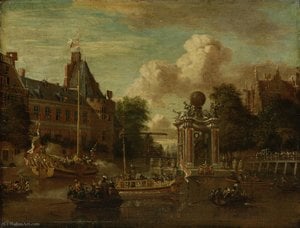
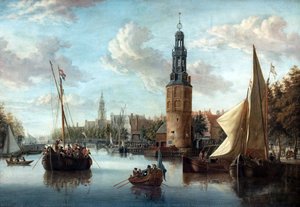
Abraham Storck, rođen u živopisnom pomorskom čvorištu Amsterdamu oko 1644. godine, predstavlja istaknutu figuru u slavnoj sceni holandskog zlatnog doba. Iako arhivski zapisi tog vremena ostavljaju određene biografske detalje skrivenim u magli prošlosti, njegovo umetničko nasleđe ostaje utemeljeno njegovom izuzetnom sposobnošću da uhvati puls mora. Storckovo delo služi kao prozor u εποhu definisanu nezapamćenom pomorskom ekspanzijom, trgovinom i pomorskom nadmoći. Njegova platna ne prikazuju samo brodove; ona otelovljuju sam duh Holandske Republike u njenom zenitu, odražavajući period kada je okean bio i put za bogatstvo i pozornica intenzivnih geopolitičkih borbi.
Temelji Storckovog majstorstva postavljeni su u Haarlemu, gde je prošao kroz rigoroznu obuku pod vođstvom Hendricka van Balena I i II. Ovo učenje ga je upoznalo sa sofisticiranim nijansama manierizma i dramatičnim, visokokontrastnim osvetljenjem Karavajove tehnike chiaroscuro. Ovi rani uticaji bili su transformativni, ugrađujući u njega duboku kontrolu nad kompoziciju i manipulacijom tonovima. Kako je njegova karijera napredovala, Storck se udaljio od jednostavnog portretstva i žanrovskih scena, te gravitirao ka prostranim, nepredvidivim horizontima mora. Razvio je jedinstvenu sposobnost da uravnoteži tehničku preciznost potrebnu za pomorsku dokumentaciju sa emotivnim, atmosferskim kvalitetom koji je oživljavao svaki talas i svako jedro.
Umetnost realizma i pomorske borbe
Ono što Storcka istinski izdvaja od njegovih savremenika bila je njegova nepokolebljiva posvećenost realizmu umesto idealizaciji. Dok su drugi slikari možda težili da prikažu očišćenu ili herojsku verziju pomorstva, Storck je prihvatio visceralnu, često sirovu stvarnost pomorskog ratovanja. Njegovi potezi četkom precizno su prikazivali zamršeno olovljenje, izlizane teksture drvenih trupova i napete izraze članova posade zarobljenih u vrtlogu bitke. Posedovao je nesamostalan talenat za dočaravanje opipljivog napetog stanja oluje ili haotične energije bočne paljbe, predstavljajući scene u kojima su herojstvo i uništenje postojali u delikatnoj, zastrašujućoj ravnoteži.
Njegovo delo prepuno je legendarnih pomorskih trenutaka i atmosferskih studija koje pokazuju njegovu svestranost:
- The Royal Prince i druga plovila u Četvorodnevnoj bitki: Majstorstvo u prikazu jednog od najznačajnijih pomorskih okršaja tog doba, pokazujući njegovu sposobnost upravljanja složenošću velikih razmera.
- Walvisvangst in de Poolzee: Evokativno istraživanje lovstva na kitove u arktičim morima, demonstrirajući njegovu veštinu u prikazivan vrhunskog hladnog, puste lepote severnih voda.
- Incident na probnoj borbi na reci J: Fascinantan istorijski zapis koji beleži svečanu pomorsku manevarsku radnju u čast Petra Velikog, spajajući spektakl sa preciznim pomorskim detaljima.
Nasleđe i istorijski značaj
Značaj Abrahama Storcka leži u njegovoj ulozi vizuelnog hroničara holandskog pomorskog identiteta. Kroz dela kao što je „Un Prt de Mer” (Delovi mora), završenog 1688. godine, pokazao je zadivljujuće majstorstvo perspektive i dramatičnog osvetljenja koje i vekovima očarava posmatrače. Njegova sposobnost da prenese samu veličinu pomorskih okršaja — hvatajući i monumentalni sjaj flote i intimni haos pojedinačne borbe — osigurala mu je mesto među najpoštovanijim slikarima sedamnaestog veka.
Na kraju, Storckova umetnost prevazilazi običnu pomorsku dokumentaciju; ona je duboka meditacija o trijumfima i anksioznostima jedne ere. Dokumentovanjem kretanja brodova, intenziteta bitaka i prostranstva okeana, on je očuvao otkucaje srca holandskog zlatnog doba. Njegovo delo ostaje vitalni svedočanstvo o vremenu kada je horizont predstavljao i beskrajne mogućnosti i zastrašujuće nepoznato, čineći ga trajnim majstorom pomorskog žanra.