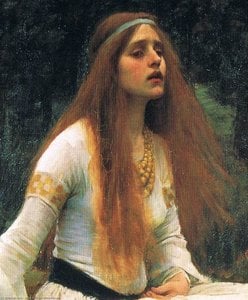
Biografija umetnika
Rimski začetek: zgodnje življenje in vplivi Johna Williama Waterhousea
John William Waterhouse, ime, ki je postalo sinonim za romantično privlačnost predrafaelitskega slikarstva, je svojo umetniško pot začel daleč od meglenih pejzažev, ki so jih pogosto povezujemo s tem gibanjem. Rod v Rimu leta 1849 v družini angleških staršev je njegove prve leta poglobil v klasično lepoto Italije – okolje, ki bo neizrecno oblikovalo njegovo estetsko čustvo. To obdobje oblikovanja je v njem vzpostavilo globoko spoštovanje do antične rimske umetnosti in mitologije, tem, ki so se ponavljali skozi njegovo plodno kariero. Waterhouseova družina se je leta eks 1854 vrnila v Anglijo in se naselila v South Kensington v Londonu, lokaciji, ki je bila strateško izbrana zaradi bližine takrat vzrastajočega muzeja Victoria and Albert. Tukaj se je mladi John soočil z nepremagljivo zbirko klasične vage in dekorativne umetnosti, kar je še dodatno spodbudilo njegovo fascinacijo nad antiko. Njegov začetni trening je bil konvencionalen in je vključeval študije na Kraljevi akademiji (Royal Academy Schools), kjer je izpiloval svoje tehnične veščine risanja in slikanja, vendar je bila prav atmosfera intelektualne radovednosti in umetniške inovativnosti tista, ki je zares razžarila njegovo strast. Celo zgodnja dela razkrivajo natančno pozornost do podrobnosti in predanost zgodovinski natančnosti, lastnosti, ki so postale značilnost njegovega sloga.
Objem predrafaelitskega bratstva
Čeprav so Waterhouseova začetna dela kazala klasične nagnjenosti, ki so opominjala na umetnike, kot sta Alma-Tadema in Frederic Leighton, se je sčasoma premaknil proti idealom predrafaelitskega bratstva. Ta umetniški kolektiv, ustanovljen leta 1848, je zagovarjal vrnitev k podrobnemu opazovanju narave in živahnim barvam, ki jih najdemo v zgodnji italijanski renesančni umetnosti – pred tisto, kar so zaznavali kot slogovni upad, spročen z Rafaelom. Waterhouse samega bratstva ni postal član, vendar je s srcem sprejel njegove načeli in svoje slike napolnil s lirično lepoto ter čustveno globino, ki so močno odjeknila pri občinstvu. Njegova slika iz leta 1874, Spanec in njegov polbrat Smrt, razstavljena na Kraljevi akademiji, je predstavljala prelomnico, saj je pokazala njegovo naraščajoče mojikanje simboličnega pripovedovanja in atmosfere. Ta uspeh je odprl pot za redno vključevanje v letne razstave in ga uveljavil kot vzrastajočo zvezdo londonske umetnostne scene. Ni le ponavljal predrafaelitskih tehnik; interpretiral jih je skozi svojo edinstveno prizmo, z zmenjavo klasične natančnosti z romantično senzibilnostjo.
Mitološke vizije in arturijske odmevi
Waterhouseova najbolj slavna dela so tista, ki črpajo navdih iz mitologije in arturijske legende. Imel je izjemno sposobnost, da v starodavne zgodbe vdihne življenje, pri čemer boginje, nimfe in tragične junakinje prikazuje z nežno mešanjo lepote in patosa. Gospa iz Shalotta, morda njegova najbolj ikonična slika, obstaja v treh različicah (1av 1888, 1894 in 1916), da je vsaka pričedba njegove trajne fascinacije Tennysonovo pesmo. Podoba osične dame, ki pluje na svojem rečni čolnu, je postala simbol viktorijanskega romantizma in usode umetniške izolacije. Podobno so njegove prikazi Ofelije, ki zajimajo trenutek pred njenim tragičnim koncem, prežareni s hroščajočo melanholijo. On teh zgodb ni le ilustriral; raziskoval je njihove psihološke globine, s poudarkom na čustvenem stanju svojih motivov. Hilas in nimfe, Ariadna in Penelopa in prosilci so další primeri njegove sposobnosti spreminjanja klasičnih pripovedi v vizualno čudovita in čustveno odmevajoča umetniška dela. Njegove slike niso bile le lepe; bile so prežarene z močjo pripovedovanja, ki gledalce vabi k razmišljanju o zapletenosti človeške izkušnje.
Dediščina in trajni vpliv
John William Waterhouse je slikal plodno vse do svoje smrti leta 1917, pri čemer je skozi življenje dosegel široko priznanje in slavo. Leta 1895 je bil izvoljen za polnega akademskega člana in je posvetil čas poučevanju na šoli umetnosti St. John's Wood, kjer je negoval naslednjo generacijo umetnikov. Čeprav je njegova popularnost po Prvi svetovni vojni nekoliko opadla, so v zadnjih desetletjih opazili pomembno vzpostavitev ponovnega zanimanja za njegovo delo. Danes je Waterhouse slavljen kot ena najpomembnejših osebnosti predrafaelitske gibanja in mojster viktorijanskega slikarstva. Njegove slike še vedno očarajo občinstvo s svojo nežno lepoto, čustveno globino in brezčasno privlačnostjo. Za seboj je pustil dediščino romantičnih vizij, mitoloških interpretacij in tragičnih junakinj, ki še vedno navdihujejo umetnike in ljubitelje umetnosti. Trajna moč njegovega dela leži v njegovi sposobnosti, da gledalce popelje v drug svet – v kraljestvo mitov, legend in globokih človeških čustev.



 Predogled
 Kupi ročno naslikano sliko
 Pošlji
 Deli
Deli
 Podrobnosti o delu

 Prenesi
 Podobni izdelki
 Rentgenski posnetek
 Predvajaj diaporama
 Statistika


 Razviljaj več






































 Možnost stekla je na voljo le za velikosti pod 110 cm