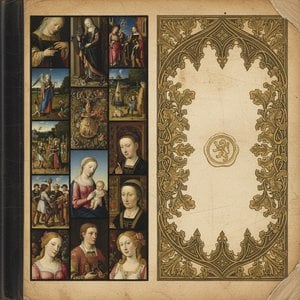
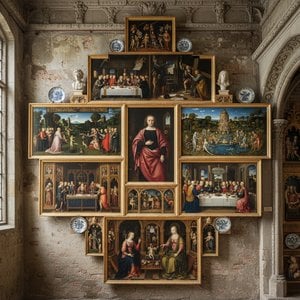
Biografia umelca
A Master of Emotion: The Life and Legacy of Rogier van der Weyden
Rogier van der Weyden, známy aj ako Roger de la Pasture, bol jeden z najvýznamnejších a vplyvových umelcov flamského severného renesansu, spolu s Janom van Eyckom a Robertom Campinom. Stal sa oficiálnym malcom mesta Bruselu a vytváral diela pre grádnych Burgundskej šľachty. Jeho schopnosť vyjadriť intenzívne emócie bol uznávaný ako jedna z jeho podstatných prínosov európskemu umeniu. Bol to jeden z prvých európanskych malierov, ktorý zobrazoval plakačky na plakajoch s plačúcimi postavami a jeho silné vizuálne efekty boli dosiahnuté pomocou jemných nuansí výrazu tváre, telesnej reči a kompozície. Nemeral realitu; vytváral ju s dôslednou presnosťou, zasýtenú takmer úctou k detailom.
Early Life and Artistic Training
Informácie o skorom živote Rogiera van der Weydena sú relatívne obmedzené. Považuje sa za to, že začal svoje zručnosti rozvíjať nie s maľbou a pigmentmi, ale ako zlatník. Táto výchova v tomto remesle priniesla neochrabňujúcu dôslednosť a precítenosť, ktoré sa stali charakteristickými znakmi jeho diel. Presná prácu s cennými kovmi pravdepodobne prenesl do nádherného spracovania textúr, látok a výrazov, ktoré definovali jeho majstrovské diela. Nemal malovať len realitu; vytváral ju s dôslednou presnosťou, zasýtenú takmer úctou k detailom. Rogier sa narodil okolo roku 1400 v živacom meste Tournai, zatiaľ čo jeho otec Henry de la Pasture bol majstrom zlatníkov. Jeho rodina pôvodne osídľovala mesto Tournai, kde pracoval jeho otec ako majster-kutil.
Ascent to Prominence: Service to the Duke of Burgundy
V roku 1427 sa van der Weyden stal majstrom v cechovom zväze svätého Lukasa v Tournaí, čo bolo dôkazom jeho rastúceho talentu a schopností. Toto znamenalo významný obrat, ktorý upevnil jeho postoj ako profesionálneho umelca a otvoril dvere k dôležitým zakázaniam. Jeho vzostup pokračoval, keď v roku 1435 vstúpil do služby Filipovi dobremu, grófovi Burgundsku – patronát, ktorý výrazne ovplyvnil jeho kariéru počas zvyšku života. Služba ako palácový malec mu nepriniesla len finančnú bezpečnosť, ale aj prístup k elitu vplyvu a vystavení sa očiam niektorých najnáročnejších ľudí tej doby. Bývalý majster sa v tomto období začal meniť od konvencií starších nizozemských malierov smerom k emotívnejšiemu a naturalistickejšiemu prístupu. Nemal len maľovať náboženské scény; usiloval sa o vyvolanie skutočného pocitu u diváka, aby vytvoril zážitok.
The Language of Feeling: Style and Technique
Jednou z najvýraznejších vlastností Rogiera van der Weydena je jeho jedinečný štýl, ktorý sa dá rozpoznávať podľa niekoľkých kľúčových charakteristík. Jeho paleta bola mimoriadne bohatá a rozmanitá, živú tapetu farieb starostlivo vybraných na vytvorenie hĺbky a komplexnosti v jeho kompozíciách. Mal výnimočnú schopnosť vyjadriť intenzívne emócie – *pathos* – najmä pri zobrazovaní náboženských motívov, ako je Lamentácia, kde sú smútok a bolestia hmatateľné. Túto emocionálnu intenzitu nedosiahol dramatickými gestami alebo prehnanými výrazmi; skôr ju jemne zakomponoval do samotnej textúry obrazu, vyjadrením jemných nuansí výrazu tváre, telesnej reči a kompozície. Jeho postavy, hoci dodržiavali konvencie doby, ukázali záujem o realistické zobrazenie – nie len v anatómie a obliekaní, ale aj v zachytávaní psychologických stavov svojich subjektov. Majú vznešený, takmer sochaľský vzhľad, ktorý je evidentný najmä v jeho rozsiahlych altárnych obrazoch. Maľoval s precíznym zmyslom pre detail a vytváral tak nádherné efekty.
Notable Works and Enduring Masterpieces
Počas svojho plodného života vytvoril van der Weyden množstvo diel, ktoré sú dôkazom jeho umeleckého majstrovstva. *St Luke Drawing a Portrait of the Madonna*, uložená v múzeu Fine Arts v Bostone, ukazuje jeho zručnosť v maľbe na doske a precízne pozorovanie. *Lamentácia*, ktorá sa nachádza v múzeu Beaux-Arts Tournai, je pravdepodobne jeho najvýznamnejším dielom – dramatické znázornenie smútku Krista, ktorému sa venujú mnohé postavy. Viackrát bol vytvorený obraz *The Deposition* a každý z nich demonštruje jeho schopnosť vyjadriť smútok a dramatičnú atmosféru s úžasnou citlivosťou. *Annunciation*, majstrovské dielo precízneho štýlu a pozornosti k detailom, ukazuje jeho schopnosť vniesť do najtradičnejších motívov pocit čerstvosti a vitality. A konečne, rozsiahly a bohatý na detaily *Bladelin Triptych* je monumentálny výkon – komplexný altárny obraz, ktorý ukazuje celý rozsah van der Weydenových umeleckých schopností.
Historical Significance and Legacy
Van der Weydenova vplyvnosť sa prenesla ďalej za hranice jeho rodného Flandria. Jeho diela boli veľmi žiadané v Európe, najmä v Taliansku a Španielsku, kde zaviedli novú úroveň emocionálnej hĺbky a naturalizmu do miestnych umeleckých tradícií. Hoci jeho sláva zažila periodu relatívneho poklesu v 17. storočí, jej rekonštrukcia počas 20. storočia upevňovala jeho miesto ako jedného z najvýznamnejších malierov 15. storočia. Stojí vedľa Jana van Eycka a Roberta Campina ako jeden z troch „veľkých“ raných flamských umelcov, pričom každý z nich prispel svojimi spôsobmi k vývoju severo-nizozemského renesančného umenia. Jeho inovatívne techniky a emotívne nabité kompozície pripravili cestu pre budúcie generácie umelcov, inšpirovali množstvo napodobiteľov a ovplyvnili smerovanie západného umenia na mnoho stenníc. Pomohol upevniť maľbu ako dominantný médium a zvýšil status umelca v spoločnosti, transformoval ho z zručených remeslníkov na vážnych tvorcov. Jeho dedičstvo sa dodnes prejavuje, dôkazom jeho trvalého génia a hlbokého porozumenia ľudskej podstate.



 Náhľad
 Kúpiť ručne maľovaný obraz
 Odoslať
 Zdieľať
 Podrobnosti o dielo

 Stiahnuť
 Podobné diela
 RTG skúška
 Prezentácia
 Štatistiky

 Zobraziť viac






































 Možnosť skla je dostupná len pri rozmeroch pod 110 cm