Život vytesaný do detailu: Svet Hansa Holbeina mladšieho
Narodený okolo roku 1497 v pulzujúcom umeleckom centre Augsburg v Nemecku, Hans Holbein mladší sa stal kľúčovou postavou severnej renesancie – majstrom portrétneho malbasu, ktorého dielo stále rezonuje dychberúcim realizmom a psychologickou hĺbkou. Jeho výchova v umelecky nadanom rodinnom prostredí položila základy jeho výnimočného talentu; jeho otec, Hans Holbein starší, bol uznávaným maliarom a ryteľom, ktorý do mladého Hansa vžil dôsledný prístup k pozorovaniu a technike. Toto skoré vzdelávanie nešlo len o ovládnutie ťahov štetcom alebo miešanie pigmentov – išlo o učenie sa skutočne *vidiť*, zachytávať nielen podobnosť, ale samotnú podstatu subjektu. Holbeinove prvé umelecké skúsenosti sa odohrali v otcovom ateliéri, kde si precvičil svoje schopnosti predtým, než sa vydal na cestu, ktorá ho popoludní priviedla cez Švajčiarsko až do samotného srdca anglického dvora.Od Basilu k Tudorovskému dvoru: Vschodujúca hviezda
Po dokončení učňovstva Holbein rozsiahle cestoval po Švajčiarsku a budoval si reputáciu nezávislého umelca s čoraz väčším uznaním. Niekoľko formujúcich rokov strávil v Basile, kde vytváral nielen pôsobivé portréty, ale aj náboženské diela a zložité drevorezby – najmä známu, mrazivú sériu zobrazujúcu *Smrť tančiacu*. Tieto rané kusy odhaľujú rastúce majstvo v kompozícii a čoraz väčšiu fascináciu zachytávaním komplexnosti ľudských emócií. V roku 1526 však zasiel osud, ktorý Holbeina vtiahol do Anglie, čo neobnoviteľne zmenilo jeho umeleckú trajektóriu. Dorazil s listom odporúčania od Erasma, slávneho humanitného učenca, čo mu otvorilo dvere do vplyvných kruhov anglickej spoločnosti. Jeho talent rýchlo očaril významné osobnosti ako Sir Thomas More, ktorý sa stal nielen jeho patronom, ale aj modelom pre niekoľko fascinujúcich portrétov. Toto spojenie sa ukázalo ako kľúčové a v roku 1536 viedlo k Holbeinovmu vymenovaniu na dvorského maliara kráľa Henryho VIII – pozíciu, ktorú zastával, s občasnými prerušeniami, až do svojej predčasnej smrti v roku 1543.Umenie vnímania: Štýl a majstrovské diela
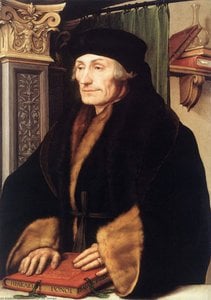
Holbeinov umelecký štýl je charakterizovaný mimoriadne silným záväzkom k realizmu, dosiahnutému prostredníctvom nesmiernej pozornosti k detailu pri vykresľovaní textúr, tkanín a jemných nuans tvárnych rysov. On portréty ne *mal*; on ich dôsledne konštruoval, vrstvu po vrstve, pričom zachytával nielen fyzický vzhľad, ale aj osobnosť a vnútorný život svojich modelov. Jeho inovatívne kompozície ešte viac umocňovali dopad jeho práce, často využívajúc symbolické predmety alebo pozadia na vyjadrenie hlbšieho významu. Obraz Elizábtania (Ambasádori) (1533) stojí ako dôkaz tohto prístupu – je to komplexný a symbolicky bohatý dvojitý portrét, ktorý demonštruje nielen Holbeinov technický brilantizmus, ale aj intelektuálnu hĺbku. Anamorfická lebka nenápadne vkor veľanovaná do obrazu slúži ako prísne *memento mori*, pripomínajúce divákom nevyhnutnosť smrti. Jeho početné portréty Henryho VIII vytvorili trvajúci obraz tudorského panovania, zatiaľ čo jeho zobrazenie Erazma z Rotterdamu zachytáva hlboký intelektuálny vážnosť učenca. Medzi ďalšie významné diela patrí úchvatný *Portrét Nikolausa Kratzera* (1528), majstrovské dielo realismu a vedeckého detailu.Odkaz a vplyv: Trvalá stopa
Holbeinova umelecká cesta bola formovaná súrazom vplyvov, spájajúc precíznosť nemeckých umeleckých tradícií s kompozícnymi princípmi talianskeho renesančného umenia. Obdivoval diela Albrechta Dürera a iných nemeckých majstrov, no počas svojich ciest študoval aj taliansku umeleckú tvorbu, čím vstrebával ich techniky a začleňoval ich do svojho vlastného jedinečnúho štýlu. Jeho odkaz je hlboký; Holbeinove portréty nastavili nový štandard pre realizmus a psychologický vhľad do portrétnej tvorby, čo ovplyvnilo generácie nasledujúcich umelcov. Jeho zobrazenia kľúčových postáv z obdobia Tudorov poskytujú neoceniteľný pohľad na životy a osobnosti ľudí, ktorí formovali anglickú históriu. On nezaznamenával len vzhľad – on zachytával okamihy v čase a uchovával ich pre budúce generácie. Jeho práca slúži ako mocné svedectvo o trvajúcej sile umenia dokumentovať, interpretovať a osvetliť minulosť.Posledný ťah štetcom: Historický význam
Hans Holbein mladší zomrel v Londýne v roku 1543 a zanechal po sebe tvorbu, ktorá očaráva divákov aj stovky rokov nato. Jeho portréty sú viac než len krásnymi obrazmi; sú to historické dokumenty, ktoré ponúkajú pohľady do politických intrigí, náboženských nepokoja a kultúrnych zmien éry Tudorov.- Jeho zobrazenia Henryho VIII sa stali ikonickými predstavami kráľovskej moci.
- Jeho portrétna tvorba ponúka okno do životov významných humanistov, ako boli Erasmus a More.
- Jeho inovatívne využitie symbolizmu pridáva vrstvy významu k jeho dielom a pozýva divákov k zamysleniu nad hlbšími témami.
Otázky a odpovede
Aké nálady vyjadrujú diela umelca Hans Holbein Mladší?
Stránka Atmosféra podľa nálady umelca zobrazuje diela Hans Holbein Mladší usporiadané podľa ich atmosféry.
V akom historickom období tvoril/a Hans Holbein Mladší?
Hans Holbein Mladší tvoril v období Renesancia. Toto obdobie zaradením umeleckej činnosti umelca do historického kontextu definuje.
Koľko umelých diel od Hans Holbein Mladší je možné si v katalógu prehliadnuť?
Na stránke Všetky diela si môžete prelistovať 369 umelých diel diel od umelca Hans Holbein Mladší.