


Giclée tlač alebo plátno múzeálnej kvality s rýchlou výrobou a flexibilnými možnosťami povrchovej úpravy. ( Kúpiť ručne maľovaný obraz Kúpiť obrázok)





























Vyberte si z našich preddefinovaných rozmerov, ktoré zodpovedajú pôvodným pomeroḿ diela.

Môžete zadať vlastné rozmery, aby sa reprodukcia prispôsobila konkrétnemu rámu alebo priestoru. Ak zvolená veľkosť nebude zodpovedať proporciám originálu, dielo buď orežeme, alebo obraz rozšírime pomocou zrkadlenia či farebného doplnenia okrajov. Pred začatím výroby vám pošleme digitálnu ukážku na schválenie.
Máte na vedomí, že náhľad na obrazovke neodzrkadľuje skutočné orezanie alebo rozšírenie. Len digitálna ukážka presne zobrazí finálnu kompozíciu.
Hoci sú k dispozícii vlastné rozmery, pre zachovanie pôvodných proporcií odporúčame vybrať si rozmer z vopred definovaného zoznamu.
Celosvetová doprava () do 2 týždňov namiesto štandardných 4/5 týždňov. (6 september)


Self-Portrait with Bonito
Veľkosť reprodukcie
Frida Kahlo's 'Self-Portrait with Bonito,' painted in 1941, is far more than a simple depiction of the artist; it’s a deeply personal and profoundly symbolic exploration of identity, pain, and the enduring spirit within. This iconic work, rendered in oil on canvas, immediately captivates with its vibrant colors and arresting imagery – a testament to Kahlo's unique ability to transform her own experiences into universally resonant art. The painting showcases a striking self-portrait where Frida is presented in a rich black dress, a bold choice that contrasts sharply with the lush green background and the bright plumage of the parrot perched upon her shoulder.
Kahlo’s style during this period firmly resides within the realm of Surrealism, though she often resisted being strictly categorized. She blended elements of Mexican folk art – evident in the detailed rendering of her clothing and the naturalistic portrayal of the plants – with a distinctly modernist approach to composition and color. The loose brushstrokes and expressive use of light contribute to an atmosphere that is both dreamlike and intensely immediate, inviting viewers into the artist’s inner world.
At first glance, ‘Self-Portrait with Bonito’ might appear a straightforward self-representation. However, a closer examination reveals a complex tapestry of symbolism woven throughout the composition. The most prominent element, the parrot – affectionately nicknamed “Bonito” by Kahlo – is arguably the painting's central symbol. Parrots are known for their intelligence and mimicry, but in this context, Bonito likely represents companionship, perhaps even a reflection of Frida’s own vibrant personality and her ability to find joy amidst hardship. The bird’s presence offers a subtle counterpoint to the often-painful realities depicted within Kahlo's oeuvre.
Beyond Bonito, the surrounding flora – specifically the dense, verdant plants – are rich with meaning. They evoke themes of fertility and abundance, reflecting not only Frida’s Mexican heritage but also her own struggles with physical suffering and the desire for motherhood. The inclusion of butterflies further amplifies this symbolism, representing transformation, rebirth, and the ephemeral nature of life itself. The deliberate placement of these elements creates a carefully constructed visual dialogue that speaks to Kahlo's deeply felt connection to both her personal history and the natural world.
Painted during a period marked by significant physical and emotional turmoil – including a devastating bus accident in 1925 – ‘Self-Portrait with Bonito’ offers a poignant glimpse into Frida Kahlo's inner landscape. The painting is not merely a visual record of her appearance; it’s an articulation of her experience, a way to grapple with pain, and ultimately, to assert her own identity. Kahlo frequently used self-portraits as a means of confronting her vulnerabilities and transforming personal suffering into powerful artistic expression.
Considering Kahlo's broader body of work – pieces like ‘The Two Nudes in the Forest’ and ‘Self Portrait as a Tehuana’ – 'Self-Portrait with Bonito' can be understood within a larger narrative of resilience, self-acceptance, and the celebration of Mexican culture. It stands as a testament to Kahlo’s enduring legacy as one of the most innovative and emotionally resonant artists of the 20th century. Reproductions of this captivating work offer a remarkable opportunity to connect with her profound vision.
To truly appreciate ‘Self-Portrait with Bonito’ in its full context, consider visiting the Frida Kahlo Museum in Mexico City – known as Casa Azul. This iconic home and studio provides an intimate look at Kahlo’s life and work, allowing visitors to immerse themselves in her world. Alternatively, exploring resources like the Frida Kahlo Foundation (https://www.fridakahlo.org/) offers invaluable insights into her artistic process and symbolism.

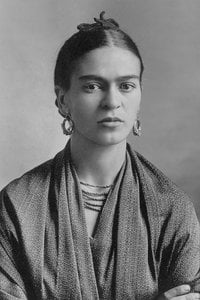
1907 - 1954 , Mexiko

Embark on a profound journey through Frida Kahlo's most iconic masterpieces. Discover the deep symbolism, Mexican heritage, and resilient spirit behind her legendary works in this expert art-historical exploration designed for true art enthusiasts.

Embark on a visual journey through the soul of Mexican art. Explore the profound legacy of muralism, folk traditions, and revolutionary masters like Rivera and Orozco in this deep cultural exploration of color, symbolism, and identity.

Explore the profound impact of Mexican Muralism, a visual revolution born from social struggle. Delve into the monumental works of Rivera, Orozco, and Siqueiros, uncovering how these powerful frescoes redefined identity and ignited a lasting legacy of resistance in art history.

 Náhľad
 Odoslať
 Zdieľať
 Podrobnosti o dielo

 Stiahnuť
 Podobné diela
 RTG skúška
 Prezentácia

 Zobraziť viac







 Možnosť skla je dostupná len pri rozmeroch pod 110 cm


