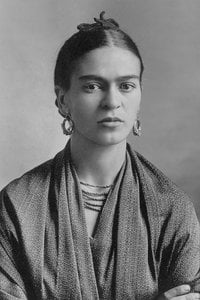
Životopis umelca
Život utkaný z bolesti a vášne: Frida Kahlo
Magdalena Carmen Frida Kahlo y Calderón, známa len ako Frida Kahlo, bola viac než len maliarka; bola to sila prírody, vzdorovitý duch, ktorého život sa neoddeliteľne prelial do jej umenia. Narodila sa 6. júla 1907 v Coyoacáni, Mexiko a jej existencia bola poznačená fyzickým utrpením a emocionálnou turbulenciou – skúsenosťami, ktoré nakoniec pohnali intenzívnu osobnú a symbolickú obraznosť, pre ktorú je oslavovaná. Jej otec, Guillermo Kahlo, nemecko-mexický fotograf, podporoval jej intelektnú zvedavosť a umelecké sklony od útleho detstva. Frida však zažila aj temné obdobie v detstve; ako šesťročná ochorela na polio, čo jej spôsobilo trvalú pokleslosť a ovplyvnilo jej fyzický vývoj. Toto skoré stretnutie so zraniteľnosťou a obmedzením sa stalo opakujúcim sa motívom v jej tvorbe, formujúcim jej pohľad na telo, bolesť a odolnosť. Už predtým, ako ju definovala strašlivá nehoda, ktorá ovplyvnila väčšinu jej umeleckej cesty, Frida mala ostré povedomie o vlastnej fyzickosti a jej inherentnej krehkosti.
Zlomené telo, rozkvitajúce umenie
V roku 1925, v veku osemnásť rokov, sa Fridačín život navždy zmenil. Hrozná autonehoda spôsobila rozsiahle zranenia – zlomeniny chrbtice, panvy a nohy, medzi inými. Uväznená v dlhej dobe rekonvalescencie, často pripútaná na posteľ a obalená sadrami, obrátila sa do seba, nachádzajúc útechu a vyjadrenie prostredníctvom maľovby. Jej matka jej poskytla špeciálne upravený stojan na plátno, ktorý premenil hranice jej fyzických obmedzení na priestor umeleckého skúmania. Bolo to v tejto dobe, keď Frida začala s neúnavnou intenzitou skúmať autoportréty. Neschopná opustiť svet vonku, obrátila svoj pohľad dovnutra a starostlivo dokumentovala svoju vlastnú podobizeň ako prostriedok na pochopenie a konfrontáciu so svojou bolesťou, fyzickou aj emocionálnou. Tieto skoré diela neboli len reprezentáciami jej podoby; boli to živé skúmanie identity, zraniteľnosti a trvalej sily ľudského ducha. Nehoda nebola len tragédiou; bola katalyzátorom, ktorý odhalil jej umelecký potenciál a prinútil ju konfrontovať svoju vlastnú smrteľnosť a nájsť zmysel v utrpení.
Turbulentný zväzok a umelecké rozkvet
Fridinho život nabral ďalší prelomový bod v roku 1929, keď sa vydala za slávneho mexického muralistu Diega Riveru. Ich vzťah bol vášnivý, ale búrlivý – poznačený intenzívnou láskou, neverou, umeleckou rivalitou a občasnými obdobiami odlúčenia a zmierenia. Napriek emocionným turbulenciám sa Diego ukázal ako významný vplyv na Fridinho umelecký vývoj. Podporoval jej jedinečnú víziu a ponúkal konštruktívnu kritiku, pričom si uvedomoval surovú silu a originalitu jej práce. Pod jeho vedením a prostredníctvom jej vlastného neustáleho experimentovania začala Frida štýl upevňovať, spájajúc prvky mexického ľudového umenia, realizmu a surrealizmu do výrazného vizuálneho jazyka. Jej obrazy sa stali čoraz viac symbolickými, skúmajúcimi témy identity, ľudského tela, bolesti, smrti a komplexnosti ženskej skúsenosti. Nebála sa zobrazovať svoje vlastné utrpenie; naopak, prijala ho ako ústrednú tému vo svojom diele a premenila osobné trauma na univerzálne vyhlásenia o ľudskej podstate.
Symboly bolesti, odolnosti a identity
Frida Kahlo je možno najznámejšia vďaka svojim autoportrétom, ktoré sa vyznačujú neúprimnou úprimnosťou a symbolickou hĺbkou. Diela ako Dve Fridy (1939), silné zobrazenie jej dvojitej identity po rozvode s Riverom, ukazujú jej schopnosť externalizovať vnútorné konflikty prostredníctvom pôsobivých vizuálnych metafor. Autoportrét s tŕňovým náhrdelníkom a kolibriekom (1940) je nabitý symbolikou – tŕne predstavujú bolesť, kolibrik symbolizuje nádej a odolnosť a čierna mačka proroctvo nešťastia. Zlomený stĺp (1944), strašidelné zobrazenie jej fyzického utrpenia, zobrazuje Fridino telo rozrezané tak, aby odhalilo rozsypávajúci sa iónsky stĺp namiesto chrbtice, držaný pohromade páskami a prepichovaný klinmi. Dokonca aj Henry Ford Hospital (1932), surové a hlboko osobné zobrazenie jej potratu, demonštruje jej ochotu čeliť tabuizovaným témam s neúprimnou úprimnosťou. Tieto obrazy nie sú len reprezentáciami bolesti; sú to činy vzdoru, vyhlásenia o sebapoznaní v tvári nepriazne osudu.
Trvalé dedičstvo
Vplyv Fridy Kahlo presahuje rámec umenia. Bola kultúrnou ikonou, ktorá spochybňovala tradičné rodové role a spoločenské očakávania prostredníctvom svojho života a práce. Jej prijatie mexickej kultúry a identity pomohlo zvýšiť jej profil na medzinárodnej scéne a jej neúprimné zobrazenie bolesti rezonovalo s publikom po celom svete, čím sa stala symbolom odolnosti a sily. Stala sa dôležitou postavou pre Chicanos v Spojených štátoch, ktorá predstavuje ich kultúrne dedičstvo a boje. Hoci odmietala byť kategorizovaná ako surrealistka, jej práca zdieľa afinity s skúmaním podvedomia a snívačskej obraznosti hnutia. Dnes je Frida Kahlo oslavovaná ako jedna z najdôležitejších umelkýň 20. storočia, ktorej odkaz naďalej inšpiruje generácie k prijatiu svojej identity, konfrontácii s nepriazňou a vyjadreniu sa autenticky. Jej umelecké dielo zostáva svedectvom trvalej sily ľudského ducha nájsť krásu a zmysel aj v najtemnejších časoch.



 Náhľad
 Prepnúť na tlač
 Odoslať
 Zdieľať
 Podrobnosti o dielo

 Stiahnuť
 Podobné diela
 RTG skúška
 Prezentácia
 Štatistiky

 Zobraziť viac