Pavia Scriptorium: Guardians of Illuminated Tradition
The Pavia Scriptorium stands as a singular testament to the artistic fervor and intellectual curiosity of the early medieval period, specifically flourishing between 800 and 774 AD. Though its name remains elusive – Belbello da Pavia is credited with similar illuminated manuscripts – this scriptorium’s legacy resides in its contribution to the preservation and embellishment of Christian scripture during a turbulent era. Situated in Pavia, Italy, it was likely affiliated with the Lombard Kingdom, a powerful force shaping Northern Europe at that time, marking it as an epicenter of artistic innovation amidst political upheaval.
- Historical Context: The Lombard Kingdom’s dominion over Pavia fostered a climate receptive to cultural patronage and scholarly pursuits. Illuminated manuscripts served not merely as religious texts but also as conduits for transmitting knowledge and asserting royal authority.
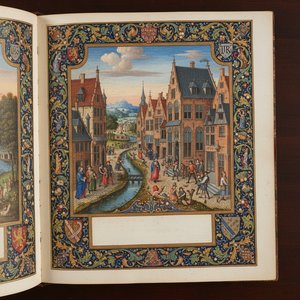
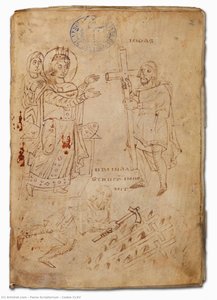
- Codex CLXV: Pavia Scriptorium's fame rests primarily on Codex CLXV, a remarkable manuscript showcasing intricate geometric patterns interwoven with vibrant color palettes—a hallmark of Lombard art. Its precise provenance remains debated, yet its stylistic features firmly place it within the scriptorium’s oeuvre.
- Technique & Style: The artists of Pavia Scriptorium employed techniques honed over generations, utilizing gold leaf and pigment derived from natural sources to achieve breathtaking luminosity. Their style embodies a blend of Byzantine influences and Lombard artistic sensibilities, reflecting the broader cultural landscape of the time.
Belbello da Pavia: A Parallel Legacy
While Codex CLXV cemented Pavia Scriptorium’s reputation as a bastion of manuscript illumination, Belbello da Pavia (c. 1430 – c. 1470) represents a later artistic flowering within Lombardy. Though separated by centuries, Belbello's work shares a similar dedication to detail and expressive color—traits undeniably rooted in the traditions established by his predecessors. His output included frescoes adorning churches throughout Milanese territory, demonstrating an enduring fascination with portraying religious narratives with profound emotional depth.
- Milanese Patronage: Belbello’s artistic success stemmed from the generous patronage of influential families in Milan, bolstering Lombard art's prestige during the Renaissance.
- Influence & Innovation: Belbello skillfully blended Byzantine aesthetics with humanist ideals, pushing stylistic boundaries while upholding classical principles. His frescoes exemplify a harmonious fusion of tradition and innovation—a characteristic that resonates powerfully with Pavia Scriptorium’s pioneering spirit.
Exploring Pavia's Artistic Landscape
Beyond Codex CLXV and Belbello da Pavia, Pavia boasts a rich artistic heritage accessible through Musei Civici di Pavia. Visitors can immerse themselves in Roman antiquities unearthed during excavations—a tangible connection to Pavia’s ancient past—and marvel at the Visconti Castle’s opulent interiors adorned with Renaissance masterpieces. Furthermore, exploring the Civico Museo Malaspina unveils treasures donated by Marquis Luigi Malaspina di Sannazzaro, enriching Pavia's cultural panorama.
Conclusion: Echoes of Antiquity and Faith
The Pavia Scriptorium’s enduring significance lies not only in its contribution to manuscript illumination but also in its embodiment of a broader artistic ethos—one characterized by meticulous craftsmanship, vibrant color palettes, and unwavering devotion to religious ideals. Its legacy continues to inspire artists today, reminding us that beauty and intellectual rigor can coexist across eras, safeguarding cultural heritage for generations to come.