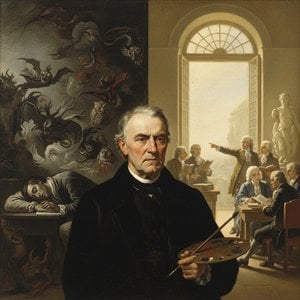
Curtis A. McDowell: The Surreal Echoes of San Francisco Cinema
Curtis A. McDowell (January 9, 1945 – June 3, 1987) remains a singular figure in American underground filmmaking—a testament to artistic passion and tragically curtailed creativity during the AIDS crisis era. Born in Lafayette, Indiana, McDowell’s relocation to San Francisco in the late 1960s marked the genesis of his cinematic explorations, fueled by an encounter with George Kuchar at San Francisco Art Institute ( sfai). This formative relationship blossomed into a collaborative partnership characterized by both artistic fervor and romantic devotion, shaping the trajectory of McDowell's oeuvre.- Early Influences & Artistic Formation: McDowell’s initial foray into painting instilled in him an appreciation for meticulous observation and formal composition—skills that would subsequently translate seamlessly into his filmmaking endeavors. His studies under Kuchar honed his understanding of experimental techniques, emphasizing the importance of pushing boundaries and challenging conventional narrative structures.
- Thundercrack!: McDowell’s debut feature film, *Thundercrack!* (1975), stands as a cornerstone of his cinematic legacy. Shot in black and white, this ambitious project—described by Kuchar as “the prolific regurgitations of an ‘enfant terrible”—captured the zeitgeist of San Francisco's countercultural movement with unsettling visuals and fragmented storytelling. It cemented McDowell’s reputation as a provocateur unafraid to confront societal anxieties.
Film Style & Recurring Themes
McDowell’s filmmaking style was defined by its deliberate disregard for conventional cinematic conventions. He favored handheld cameras, improvisational editing, and unconventional sound design—methods that prioritized visceral experience over polished aesthetics. Recurring themes explored in his films included alienation, psychological instability, and the anxieties surrounding identity—subjects often presented with surreal imagery and unsettling juxtapositions. His work consistently interrogated the boundaries between reality and illusion, mirroring the pervasive atmosphere of paranoia prevalent during the AIDS epidemic. Films like *Beaver Fever*, *Peed Into The Wind,* and *Confessions* exemplify this distinctive approach.Legacy & Preservation
Despite his untimely death from AIDS in 1987, McDowell’s films endured thanks to the dedication of Robert Evans—who acquired ownership of his work after Evans himself contracted HIV—and subsequently entrusted to friends who established the Curtis McDowell Foundation. The Academy Film Archive diligently preserved a significant collection of McDowell's cinematic productions, ensuring that his experimental vision would continue to resonate with future generations of filmmakers. His contribution to avant-garde cinema remains noteworthy, representing an important chapter in American film history.Further Exploration
Interested in delving deeper into McDowell’s artistic world? Visit Hampshire Cultural Trust for exhibitions showcasing Roman artifacts and Anglo-Saxon treasures—a reminder of the broader cultural landscape that influenced his creative sensibilities. Alternatively, consider reading “Shadow Catcher: Edward S. Curtis & The Ethnographic Portraiture Of A Vanishing West” to gain insight into the influence of documentary photography on artistic expression.Întrebări și răspunsuri
Unde pot fi găsite operele lui Curtis A. Mcdowell grupate pe palete de culori?
Operele lui Curtis A. Mcdowell pot fi explorate pe baza paletei cromatice în pagina de După paletă de culori a artistului.
Unde pot vedea operele lui Curtis A. Mcdowell organizate după atmosferă?
Pagina Galerie pe stări de spirit lui Curtis A. Mcdowell organizează operele de artă ale artistului în funcție de starea de spirit.
Unde pot fi găsite operele lui Curtis A. Mcdowell, grupate pe mișcări artistice?
Operele lui Curtis A. Mcdowell pot fi explorate pe baza stilului artistic în pagina Toate mișcările de artă a artistului.