PrevizualizarePrevizualizare Previzualizare ARPrevizualizare AR Switch to Print Switch to PrintSwitch to Digital Image Switch to Digital Image TrimiteTrimite
Detalii despre lucrareDetalii despre lucrare Adaugă la favorite Adaugă la favorite DescarcăDescarcă Produse similareProduse similare RadiografieRadiografie Diapozitive automateDiapozitive automate StatsStats

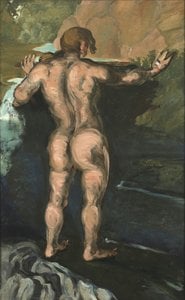
Yearning

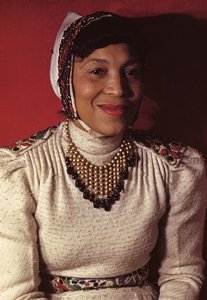
Zora Neale Hurston (1891-1960): Author, anthropologist & Harlem Renaissance figure. Explore her art portraying Black life, folklore, and themes of identity & gender.

Reproducere pictată manual în ulei

Pictură în ulei pe pânză, realizată manual de artiștii noștri la dimensiunea și ramele dorite de dumneavoastră, pe comandă. (Switch to Print Switch to PrintSwitch to Digital Image Switch to Digital Image)

Standard
personalizat
CM
INCH

Alegeți dintre dimensiunile noastre prestabilite, care respectă proporțiile originale ale operei de artă.

lățime
înălțime

Puteți introduce propriile dimensiuni pentru a se potrivi unui anumit cadru sau spațiu. Dacă dimensiunea selectată nu corespunde proporțiilor imaginii originale, vom decupa opera de artă sau vom extinde pictura cu elemente suplimentare pictate manual. O simulare digitală vă va fi trimisă pentru aprobare înainte de începerea producției.
Vă rugăm să rețineți că previzualizarea de pe ecran nu reflectă decuparea sau extinderea reală. Doar macheta va arăta cu exactitate compoziția finală.
Deși sunt disponibile dimensiuni personalizate, vă recomandăm să selectați o dimensiune din lista predefinită pentru a păstra proporțiile originale.

Exemple de elemente ce pot fi personalizate: Înlocuiți fața cu fotografia clientului; Adăugați un animal de companie (de exemplu, înlocuiți pisica cu un câine); Includeți un mesaj ascuns în fundal; Schimbați peisajul sau elementele din fundal.
După plasarea comenzii, echipa WahooArt.com va contacta clientul prin e-mail pentru instrucțiuni și îi va furniza o previzualizare a machetei

Livrare în întreaga lume () în 3-4 săptămâni, în loc de cele 5 săptămâni standard. (8 Septembrie). Fără compromisuri în ceea ce privește calitatea.

why_choose_icon
Livrare expres gratuită la nivel mondial
why_choose_icon
Pânză de in de înaltă calitate
why_choose_icon
Asigurare completă pentru transport
why_choose_icon
Garanție de rambursare a taxelor vamale
why_choose_icon
Garanția fidelității culorilor
why_choose_icon
Politica de retur de 100 de zile (doar pentru defecte)
why_choose_icon
Garanție de rambursare 100%
why_choose_icon
Ofertă pentru comenzi multiple

Preț total

$ 272

reproduction

Yearning

Tehnică de reproducere

Dimensiune reproducere

-

Preț total calculat

$ 272

To Zora Petrović, female nudes represented the embodiment of vitality and emotionality, contrary to those artists who painted female nudes as only one of the motifs available to painters. As with some European modernists, the image of the human body enabled Zora to present the psychological states and depict the changes and transience of the physical human existence. She had been interested in this motif from her school days when she would sneak into the senior life drawing evening classes. The composition of her nudes was, as a rule, very simple, since a painting with a more complex organization would not permit the expressive artistic technique she used: fast painting and an energetic handwriting which resulted in the directness and spontaneity of the finished piece. This is how the Yearning was painted, one of Zora Petrović’s early nudes, but already with a discrete narrative structure especially accentuated by the use of visual means. It was painted quickly just like her other paintings in order for the nervous pulsation of her being to contribute to the agility and vitality of the painted figure. What is more, the tide of energetic, sliding brushstrokes, almost imprinted in the dark, brown tones which appear both on the figure and the space in which it is situated, permeated with their agility all the surfaces creating a special, but at the same time erotic and anxious atmosphere. The weight, density and abundance of paste and the artist’s gesture as an expression of the inner rhythms of existence represent a significant part of meaning in this painting. At the same time, these are the characteristics of Zora Petrović’s painting that she never questioned, from the early thirties to the end of her life.

Biografie artist

Zora Neale Hurston: Life & Legacy

Early Life and Education

  • Born on January 7, 1891, in Notasulga, Alabama, Zora Neale Hurston was a pivotal figure in American literature and anthropology.
  • Her family relocated to Eatonville, Florida, in 1894, a town that would profoundly influence her writing, becoming the setting for many of her stories.
  • Following her mother’s death in 1904, Hurston faced various challenges but continued her education, eventually attending Morgan Academy and later Howard University.
  • She pursued studies at Barnard College, where she was a member of Alpha Kappa Alpha sorority, and Columbia University, conducting anthropological research.

Anthropological Work & Folklore

  • Hurston’s academic pursuits led her to become a prominent anthropologist, focusing on the folklore and traditions of African American communities in the South and the Caribbean.
  • She conducted extensive fieldwork, collecting oral histories, songs, and stories – particularly concerning Hoodoo practices and Caribbean Vodou.
  • Her research was groundbreaking for its time, offering an authentic portrayal of Black culture from an insider’s perspective.
  • Notable anthropological publications include “Mules and Men” (1935), a collection of African American folklore.

Literary Career & Major Works

  • Hurston's literary career blossomed alongside her anthropological work, producing novels, short stories, essays, and plays.
  • Her most celebrated novel, Their Eyes Were Watching God (1937), explores the journey of Janie Crawford as she seeks self-discovery and independence in the early 20th-century South.
  • Other significant works include “Jonah’s Gourd Vine” (1934) and “Moses, Man of the Mountain” (1939).
  • She also penned several collections of short stories and essays showcasing her unique voice and perspective.

Influences & Artistic Development

  • Hurston’s writing style was heavily influenced by the vernacular language and storytelling traditions she encountered during her anthropological research.
  • She embraced dialect and incorporated it authentically into her characters' dialogue, capturing the richness and complexity of Black Southern speech.
  • Her work challenged prevailing stereotypes and offered nuanced portrayals of African American life.
  • While not directly influenced by a specific artistic movement in terms of style, she was a key figure *within* the Harlem Renaissance, contributing to its vibrant cultural landscape.

Historical Significance & Legacy

  • Despite achieving recognition during her lifetime, Hurston faced financial hardship and her work fell into relative obscurity after her death in 1960.
  • Her rediscovery in the 1970s, largely due to the efforts of Alice Walker, who championed her work, cemented her place as a major American author.
  • Hurston’s writing continues to inspire writers and scholars today, offering valuable insights into race, gender, identity, and Southern culture.
  • Her contributions to anthropology remain significant, providing invaluable documentation of African American folklore and traditions.

Selected Works Available at WahooArt

  • “5 Letters” – A collection offering a glimpse into her personal experiences.
  • “Portrait of Pavle Beljanski” - Showcasing her artistic side and friendship with fellow writer Pavle Beljanski.
  • “Yearning”
Zora Neale Hurston

Zora Neale Hurston

1891 - 1960 , United States of America

Detalii rapide

  • Birth Date: January 7, 1891
  • Birth Place: Natosulga, Alabama, United States
  • Death Date: 1960
  • Influenced: Alice Walker
  • Movement: Harlem Renaissance
  • Name: Zora Neale Hurston
  • Nationality: American
  • Notable Works:
    • Their Eyes Were Watching God
    • 5 Letters
    • Portrait of Pavle Beljanski