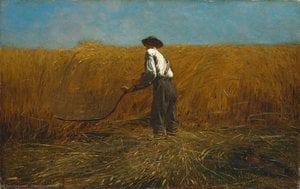
Printuri giclée sau pe canvas de calitate muzeală, cu proces de producție rapid și opțiuni flexibile de finisare. ( Comandă pictură lucrată manual Cumpără imaginea)





























Alegeți dintre dimensiunile noastre prestabilite, care respectă proporțiile originale ale operei de artă.

Puteți introduce propriile dimensiuni pentru a se potrivi unui anumit cadru sau spațiu. Dacă dimensiunea selectată nu corespunde proporțiilor imaginii originale, vom decupa lucrarea de artă sau vom extinde imaginea cu margini oglindite sau cu o culoare uniformă. Un mockup digital va fi trimis pentru aprobarea dumneavoastră înainte de începerea producției.
Vă rugăm să rețineți că previzualizarea de pe ecran nu reflectă decuparea sau extinderea reală. Doar mockup-ul va arăta cu exactitate compoziția finală.
Deși dimensiunile personalizate sunt disponibile, vă recomandăm să selectați o dimensiune din lista predefinită pentru a păstra proporțiile originale.
Livrare în întreaga lume () în 2 săptămâni, în loc de cele 4/5 săptămâni standard. (6 Septembrie)


The Northeaster
Dimensiune reproducere
Winslow Homer's “The Northeaster,” completed in 1883, stands as a testament to the American Romantic tradition—a genre characterized by its fascination with untamed nature and its exploration of human emotion amidst grand landscapes. Currently residing at the Metropolitan Museum of Art, this watercolor captures not merely a visual spectacle but also a profound psychological resonance that continues to captivate audiences today.
Subject Matter: The painting depicts two figures huddled on a rocky cliff overlooking the turbulent Atlantic Ocean during a winter storm. Homer meticulously portrays the raw power of the sea, emphasizing its relentless assault against the steadfast coastline. Notice how the artist captures the dramatic interplay between man and nature—a confrontation that speaks to our deepest anxieties about vulnerability and resilience.
Style & Technique: Homer’s masterful use of watercolor exemplifies Romantic ideals—a preference for luminous color and expressive brushwork to convey mood and atmosphere. The artist skillfully employs layering techniques, allowing light to penetrate through translucent washes to create a sense of depth and dynamism. Observe the shimmering spray from the crashing waves; it's not just pigment on paper – it’s an embodiment of Homer’s vision of the sublime—that awe-inspiring grandeur of nature that simultaneously inspires terror and reverence.
Historical Context: Painted during Homer’s prolific period in Maine—a location that profoundly influenced his artistic sensibility— “The Northeaster” reflects a broader cultural preoccupation with confronting the sublime. It aligns perfectly with the Romantic movement's belief in elevating human experience through communion with the natural world, mirroring the anxieties of a generation grappling with industrialization and societal change.
Symbolism: The cliff itself symbolizes steadfastness and endurance—a visual metaphor for humanity’s struggle against overwhelming forces. The figures huddled together represent vulnerability amidst adversity—a poignant reminder that even the strongest among us are humbled by the immensity of nature's power. Homer deliberately excludes human presence, intensifying this symbolic message; it compels viewers to contemplate our insignificance in comparison to the elemental drama unfolding before them.
Emotional Impact: “The Northeaster” transcends mere visual representation—it evokes a visceral emotional response in observers. The painting captures not only the beauty of winter’s storm but also the unsettling awareness of our own fragility, prompting contemplation on themes of courage and acceptance. Homer's ability to convey both terror and wonder is unparalleled, securing his legacy as one of America’s most enduring landscape painters.
For those seeking inspiration or considering a high-quality reproduction, explore similar works by Winslow Homer at WahooArt and the Metropolitan Museum of Art’s website. You can also delve deeper into American art history at The Metropolitan Museum of Art.


1836 - 1910 , Statele Unite ale Americii

Discover the ethereal beauty of watercolor through an art-historical lens. Master the delicate balance of light, fluidity, and pigment to capture the luminous essence of nature, inspired by the legendary techniques of the Old Masters and Impressionist greats.

Discover the ethereal beauty of premium watercolor reproductions and bespoke commissions at WahooArt. From museum-quality landscapes to custom AI-enhanced portraits, our master artists deliver unparalleled craftsmanship and white-glove service for discerning collectors worldwide.

An expert guide for art collectors exploring the chemistry and artistry of oil, acrylic, tempera, and watercolor. Discover how medium specificity and material integrity define the longevity and value of fine art masterpieces.

Explore the profound beauty of American Realism. From Winslow Homer’s rural landscapes to the dignity of everyday life, discover how master artists captured the soul of a nation through evocative oil paintings and timeless fine art techniques.

 Previzualizare
 Trimite
 Distribuie
 Detalii despre lucrare

 Descarcă
 Produse similare
 Radiografie
 Diapozitive automate


 Vezi mai mult







 Opțiunea cu sticlă este disponibilă doar pentru dimensiuni de sub 110 cm