Achiziționați o imagine digitală de înaltă rezoluție, îmbunătățită, mult superioară previzualizării online.
Fiecare fișier este pregătit cu meticulozitate de specialiștii noștri interni, utilizând instrumente avansate și retușare manuală expertă. Ne asigurăm că fiecare imagine beneficiază de o claritate excepțională, o acuratețe precisă a culorilor și detalii fine.
Fișierul final este livrat prin e-mail în termen de 72 de ore, optimizat pentru utilizare imediată în medii profesionale, editoriale și de imprimare. Aceasta este aceeași calitate în care au încredere studiouri de design, edituri și galerii de top.
Descărcați un fișier la rezoluție înaltă pentru afișare personală, imprimare și proiecte creative. ( Comandă printul Comandă pictură lucrată manual)
Când alegeți WahooArt.com, nu primiți doar o simplă imagine – primiți o operă de artă digitală îmbunătățită profesional, creată cu precizie și susținută de o garanție de satisfacție. Iată tot ceea ce primești odată cu comanda ta, în mod automat:

Fișierul imaginii digitale la rezoluție înaltă vă va fi trimis prin e-mail în termen de 72 de ore de la finalizarea comenzii – gata pentru utilizare imediată.

Opera ta de artă este optimizată profesional prin intermediul unor instrumente AI avansate și al editării manuale, asigurând un nivel maxim de detalii, claritate și acuratețe a culorilor.

Ai șters sau ai pierdut din greșeală fișierul? Nu îți face griji – ți-l vom retrimite oricând, gratuit.

Bucură-te instant de noua ta operă de artă, fără taxe vamale, taxe de import sau costuri de livrare – descărcările digitale sunt întotdeauna fără taxe.

Asigurăm o reflectare cât mai fidelă a culorilor originale în imaginea ta digitală, prin utilizarea unor instrumente profesionale și a proceselor de gestionare a culorii.

Dacă nu sunteți mulțumit de imaginea digitală achiziționată, o vom revizui sau vă vom returna 100% în termen de 100 de zile – fără nicio explicație necesară.

Nu ești mulțumit? Obține o rambursare completă în termen de 100 de zile de la primirea fișierului tău digital – fără întrebări.

Cumpără 3 imagini, economisește 10% - Cumpără 5, economisește 15% - Cumpără 10+, economisește 20%. Ideal pentru proiecte creative, galerii și agenții.
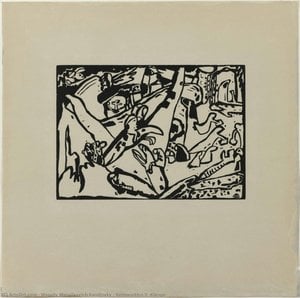
Wassily Kandinsky’s “Abschied” – or “Farewell,” as it’s often translated – isn't merely a depiction of a scene; it’s a distillation of the artist’s evolving worldview, a visual embodiment of his burgeoning abstraction. Created in 1903, this black and white drawing emerges from a period of profound transformation for Kandinsky, a man who deliberately abandoned a promising legal career to pursue the uncharted territories of art. His journey began not with an immediate passion but with a series of pivotal encounters – a captivated response to Claude Monet’s “Haystacks,” and a deeply moving experience witnessing Wagner's opera "Lohengrin" – events that ignited within him a relentless desire for artistic expression.
Early influences played a crucial role in shaping Kandinsky’s nascent style. He was profoundly affected by Russian folk art, particularly the vibrant color palettes and symbolic imagery found in its traditional designs. This fascination with color wasn't simply aesthetic; it stemmed from an ethnographic expedition to the Vologda region of Russia, where he witnessed houses and churches adorned with shimmering hues that evoked a sense of entering another realm. This experience, combined with his study of Wagner’s music – which he saw as a parallel form of expression – laid the groundwork for his later exploration of color's psychological power. The drawing itself reflects this early interest in conveying emotion through visual elements, hinting at a deeper spiritual intent.
“Abschied” is rich with symbolic details that invite interpretation and suggest a narrative beyond the literal depiction of a woman and a horse. The central figures – a woman holding a spear or similar weapon – immediately evoke themes of departure, transition, and perhaps even sacrifice. The horse, positioned on the left, could represent steadfastness, loyalty, or even the burden of the past. Notice the two birds in the upper right corner; they often symbolize freedom, hope, or messengers between worlds. The clock in the top left corner speaks to time’s passage and the inevitability of change, while the bowl at the bottom right might signify nourishment, completion, or a final offering.
The inclusion of these seemingly disparate elements – the spear, the birds, the clock, the bowl – creates a complex tapestry of meaning. Kandinsky wasn’t simply illustrating a scene; he was constructing a visual allegory, inviting the viewer to engage in a dialogue with the artwork and decipher its hidden symbolism. The drawing's overall mood is one of quiet contemplation, tinged with melancholy and anticipation.
“Abschied” stands as a crucial bridge between Kandinsky’s early expressionistic works and his later explorations into pure abstraction. While retaining elements of representational imagery, the drawing demonstrates a growing detachment from direct imitation of reality. The simplified forms, the emphasis on line and shape, and the deliberate use of negative space all point toward a move away from traditional artistic conventions. This shift reflects Kandinsky’s belief that art should transcend mere representation and communicate directly with the soul.
It's important to note that this wasn’t an abrupt departure but a gradual evolution, driven by Kandinsky’s intense intellectual and spiritual investigations. He sought to create a visual language capable of expressing inner realities – emotions, ideas, and spiritual truths – independent of external appearances. “Abschied” exemplifies this ambition, offering a glimpse into the nascent stages of his revolutionary approach to art.
Wassily Kandinsky’s “Abschied” is more than just a drawing; it's a testament to the power of artistic vision. It represents a pivotal moment in the history of modern art, marking the beginning of abstraction and paving the way for countless artists who followed. Reproductions of this evocative work offer a unique opportunity to experience Kandinsky’s groundbreaking ideas firsthand, inviting viewers to contemplate the profound connections between color, form, and the human spirit.


1866 - 1944 , Русия

 Trimite
 Distribuie
 Detalii despre lucrare

 Descarcă
 Produse similare
 Diapozitive automate


 Vezi mai mult