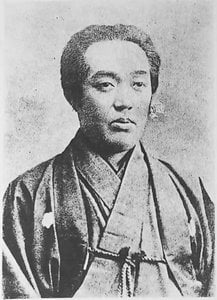
A Life Etched in Ink and Wood: The World of Tsukioka Yoshitoshi
Tsukioka Yoshitoshi, născut Owariya Yonejiro în 1839, într-unul dintre străzile aglomerate ale Edo-ului (actualul Tokyo), este o figură monumentală în istoria artei japoneze. Este larg celebrat ca ultimul mare maestru al *ukiyo-e*, „picturilor de lumea plutitoare”, dar a defini viața sa doar prin această etichetă este insuficient. Yoshitoshi nu a fost doar un conservator al tradiției; a fost un inovator, un povestitor vizual care a capturat cu îndrăzneală spiritul tumultuos al unei Japonii aflate în transformare radicală. Viața sa s-a desfășurat într-un cadru de tulburări sociale – ultimele ani ai shogunatului Tokugawa, Restaurarea Meiji și influxul rapid de idei occidentale – toate modelând profund viziunea sa artistică. De la origini modeste ca fiu al unui negustor, ridicat în rang până la samurai, drumul lui Yoshitoshi l-a condus într-o școală sub îndrumarea lui Utagawa Kuniyoshi, un maestru a cărui influență va fi de nedespărțit. Această perioadă formativă i-a insuflat nu numai priceperea tehnică, ci și o apreciere profundă pentru narațiune și compoziție dinamică.
De la Ucenicie la Independența Artistică
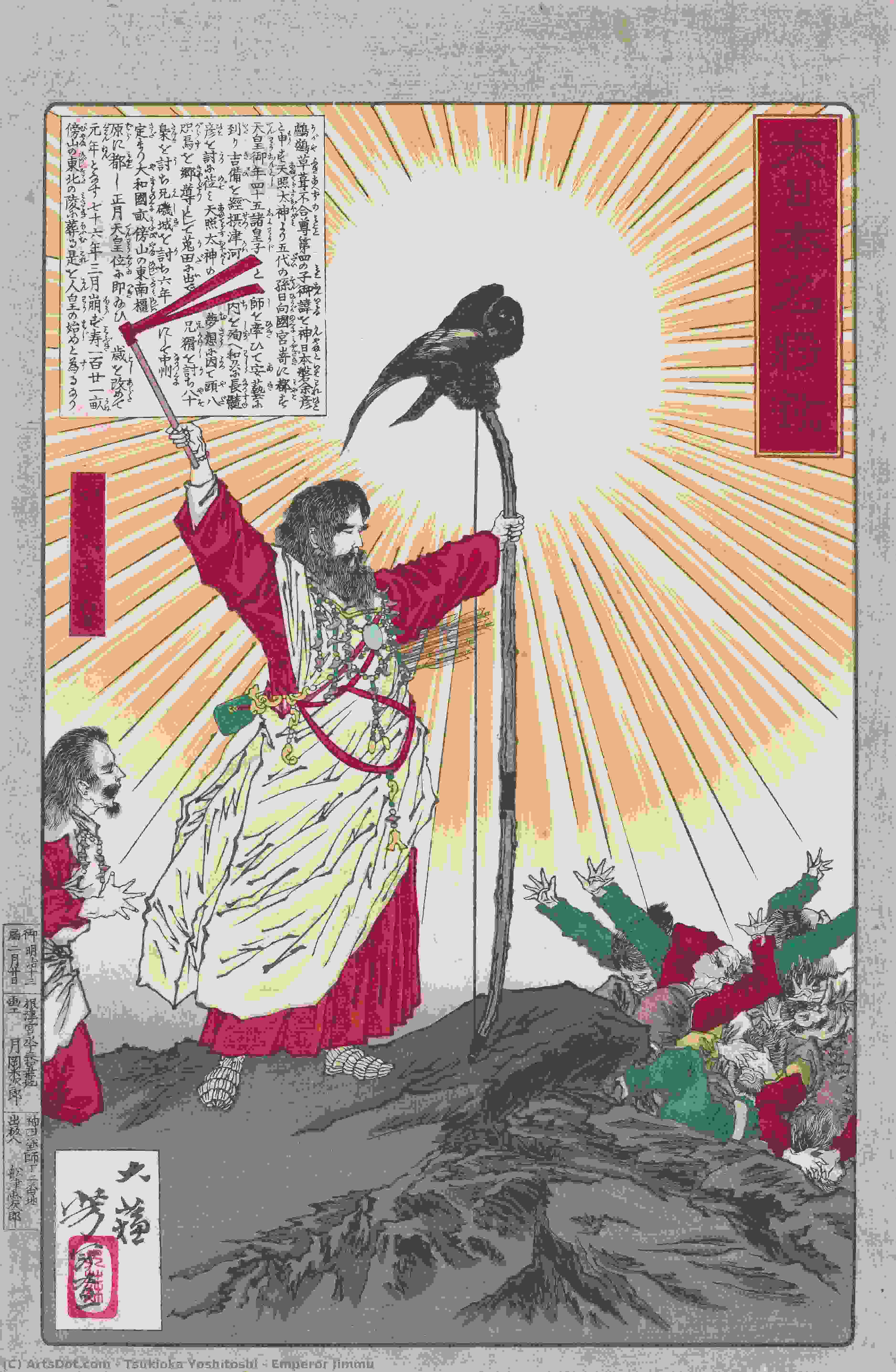
Primii ani ai lui Yoshitoshi au fost înrădăcinați în disciplina riguroasă a *ukiyo-e* sub îndrumarea lui Kuniyoshi. A absorbit tehnicile maestrului său, perfecționându-și priceperea de desen și învățând să transforme poveștile într-o formă vizuală convingătoare. Cu toate acestea, Yoshitoshi a început rapid să își modeleze propriul drum. Deși a lucrat inițial în cadrul convențiilor stabilite, el s-a dovedit curând dispus să depășească limitele, în special în reprezentările sale de violență și moarte. Acestea nu au fost simple demonstrații gratuite, ci reflecții ale tulburărilor epocii și ale tragediilor personale – pierderea ambii părinți a avut un impact profund asupra direcției sale artistice. Mijlocul anilor 1860 a marcat recunoașterea lui Yoshitoshi pentru ceea ce a devenit cunoscut sub numele de „tiparul sângeros”, o serie caracterizată de imagini grafice și intensitate dramatică. Serii precum *Eimei nijûhasshûku* (Vineri, 28 de asasinate cu versuri) au șocat și fascinat publicul, prezentând scene de ucideri brutale reprezentate cu un realism uluitor. Această hotărâre de a confrunta teme întunecate l-a diferențiat pe Yoshitoshi de mulți dintre contemporanii săi. A experimentat cu diferite serii și subiecte, inclusiv popularul *Tsūzoku saiyūki* (“O călătorie modernă în Vest”) și *Wakan hyaku monogatari* (“Cinci sute de povești din China și Japonia”), demonstrând o versatilitate care a consolidat și mai mult reputația sa.
Inovație într-o Lume Schimbătoare
Geniul lui Yoshitoshi nu consta doar în subiectele sale, ci și în tehnica sa artistică. A îmbinat cu măiestrie estetica japoneză tradițională cu influențe occidentale, incorporând elemente de perspectivă și compoziție derivate din gravurile și desenele importate. Această fuziune a creat un limbaj vizual unic, atât distinctiv japonez, cât și remarcabil de modern. Pe măsură ce Japonia îmbrățișa modernizarea, noile tehnologii precum fotografia și litografia amenințau existența însăși a *ukiyo-e*. Yoshitoshi a recunoscut această provocare și a răspuns prin ridicarea artei sale la un nivel fără precedent de măiestrie. A experimentat cu palate de culori, a rafinat tehnicile de gravură și a depășit limitele narațiunii în mijlocul mediei de gravură pe lemn. Seria sa *Musha Burui* (Tipare de războinici) este un exemplu al acestei devotări – fiecare tipă o explozie dinamică de acțiune și emoție, prezentând priceperea sa în a reprezenta figuri eroice și bătălii dramatice. El a înțeles că pentru a supraviețui, *ukiyo-e* trebuia să evolueze, iar el s-a dedicat asigurării relevanței sale continue.
O Epocă de Tensiuni Politice și Sociale
Anii formativi ai lui Yoshitoshi au fost trăiți într-o perioadă de tulburări majore. Incursioanele occidentale și ideile occidentale, în anii 1850 și 1860, au avut un impact profund asupra unei societăți feudale și foarte închise. Deși sentimentul popular era puternic anti-occidental, existau cei care realizau că singura apărare împotriva Occidentului este să adopte tehnologia sa militară și economică superioară. Tensiunea dintre respingerea influenței occidentale și îmbrățișarea tehnologiei occidentale, combinată cu grețunile agricole, recesiune economică și inflație hiper-inflaționistă, a zguduit fundațiile shogunatului Tokugawa (care exercita puterea în numele împăratului, dar își exercita controlul aproape absolut asupra tuturor politicilor) și ale aristocraților și samuraii concurenți care doreau instalarea unui guvern modern sub pretextul restaurării la drepturile împăratului. Această război a culminat cu lovitura de stat din 1868, înlăturând shogunatul Tokugawa și înlocuindu-l cu un guvern modern care proclama o restaurare imperială și o nouă eră Meiji ("Răspunsul Înțelept"). John Stevenson, în lucrarea sa seminală, *Yoshitoshi's One Hundred Aspects of the Moon*, notează că impactul martoriției lui Yoshitoshi la masacrul de două mii de soldați shogunați de către forțele bine echipate ale împăratului „a reverberat prin opera lui Yoshitoshi pentru mulți ani”.
O Lume de Dramă și Tragedie
În ciuda provocărilor imense – dificultăți financiare, suferințe personale și declinul formelor artistice tradiționale – Yoshitoshi a rămas ferm în angajamentul său față de *ukiyo-e*. A lucrat neobosit până la moartea sa din 1892, lăsând în urmă un corp vast de lucrări care continuă să inspire uimire și admirație. Deși influența sa directă asupra generațiilor ulterioare de artiști japonezi este dezbătută, nu poate fi contestată importanța sa istorică. Yoshitoshi se află în ultimul rând ca maestru al *ukiyo-e*, o figură cheie care a conservat și a transformat o formă de artă într-o perioadă de schimbare profundă. Curajul, viziunea și devotamentul său neclintit au asigurat că spiritul „lumii plutitoare” va continua să trăiască pentru generații viitoare. Astăzi, tiparele sale sunt celebrate în muzee și colecții din întreaga lume, fiind marturii ale moștenirii sale artistice durabile.
Un Final Splendid: Impactul Durabil al lui Yoshitoshi
- Conservarea Tradiției: În Japonia modernizată rapid, Yoshitoshi a pledat pentru tehnicile tradiționale de gravură pe lemn.
- Inovație Artistică: A îmbinat estetica japoneză cu influențe occidentale, creând un stil unic și dinamic.
- Puterea Narativă: Tiparele sale sunt renumite pentru narațiunea convingătoare și intensitatea dramatică.
- Documentare Istorică: Lucrările lui Yoshitoshi oferă informații valoroase despre peisajul social, politic și cultural al Japoniei din secolul al XIX-lea.
- Un testament pentru moștenirea sa durabilă este aprecierea continuă a artei sale de către colecționari și pasionați de artă din întreaga lume.
Viața lui Yoshitoshi a fost o luptă împotriva timpului, un efort curajos de a proteja


 Vezi în context
 Comută pe versiunea Print
 Trimite
 Distribuie
 Detalii
 Ghid
Ghid

 Descarcă
 Produse similare
 Radiografie
 Diaporama
 Statistici
 Citește mai mult






































 Opțiunea cu sticlă este disponibilă doar pentru dimensiuni de sub 110 cm