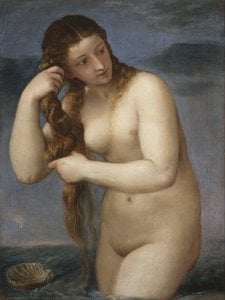
Un Ecou Renascentist în Lumea Nouă
Titian Ramsay Peale II ocupă o nișă fascinantă, adesea trecută cu vederea, în peisajul artei americane din secolul al XIX-lea. Născut la Philadelphia în 1799, a fost profund ancorat într-o moștenire artistică fiind cel mai tânăr fiu al lui Charles Willson Peale, o figură pivotală în portretistica americană timpurie și fondatorul primului muzeu al națiunii. Deși moștenirea tatălui său era impunătoare, Titian și-a croit propria cale, una adânc înrădăcinată în idealurile estetice ale Renașterii Înalte, în special cele provenite din Veneția. El nu se limita la reproducerea stilurilor; canaliza o sensibilitate artistică profundă, îmbibând pânzele sale cu detalii meticuloase și o paletă vibrantă de culori care îl distingeau de mulți dintre contemporanii săi. Viața sa s-a desfășurat pe fondul unei identități americane în plină dezvoltare, dar inima sa artistică a rămas legată de maeștrii clasici, creând o tensiune captivantă între reverența pentru lumea veche și expresia lumii noi.
De la Schițele unui Naturalist la Pânza Pictorului
Anii timpurii ai lui Peale au fost marcați de o fascinație duală pentru artă și istoria naturală – o combinație cultivată de multiplele preocupări ale tatălui său. A însoțit expediții, notabil călătoria lui Stephen Harriman Long spre Munții Stâncoși în 1819-1820, documentând flora și fauna cu un ochi artistic din ce în ce mai rafinat. Această perioadă nu a fost doar despre înregistrarea observațiilor; era vorba despre *înțelegerea* formei, luminii și texturii – abilități care s-au dovedit neprețuite atunci când și-a îndreptat toată atenția către pictură. Munca sa ca naturalist i-a influențat arta, conferind o precizie științifică descrierilor sale din lumea naturală, dar îmbibându-le totodată cu o rezonanță emoțională care a transcens simpla documentare. El nu ne arăta doar cum arată lucrurile; dezvăluia frumusețea lor inerentă și semnificația spirituală. Această dedicare ambelor discipline este evidentă în opere precum „Tribute Money”, o interpretare dramatică care prezintă un joc magistral de lumină și umbră amintind de Rubens, și "Nymph and Shepherd", îmbinând natura, mitologia și frumusețea senzuală.
Influențe Venețiene și Viziuni Sacre
Influența colorismului venețian – accentul pe culori bogate, luminoase și efecte atmosferice promovate de artiști precum Titian (de la care și-a luat primul nume) – este incontestabilă în opera lui Peale. El nu copia pur și simplu acești maeștri; internaliza principiile lor și le adapta propriei sale viziuni artistice. Acest lucru este evident mai ales în lucrările sale religioase, cum ar fi „Altar Shrine with Four Saints” și "Adoration of the Shepherds". Aceste picturi nu sunt doar reprezentări ale scenelor biblice; sunt experiențe imersive, care atrag privitorul într-o lume de contemplație spirituală prin compoziții atent orchestrate și o utilizare magistrală a culorii pentru a evoca emoția. Atenția meticuloasă la detalii în aceste lucrări vorbește nu numai despre abilitățile sale tehnice, ci și despre o profundă reverență față de subiectul său. „The Beauty”, un portret izbitor, demonstrează mai departe capacitatea sa de a surprinde forma umană și caracterul cu eleganță și rafinament.
Redescoperirea și Semnificația Durabilă
Pentru o mare parte din secolul al XX-lea, Titian Ramsay Peale II a rămas în mare măsură obscurizat de narațiunile istorice ale artei. Munca sa nu s-a potrivit perfect cu tendințele predominante, iar dedicarea sa pentru un stil clasic a părut anacronică într-un peisaj artistic aflat într-o schimbare rapidă. Cu toate acestea, în ultimii ani, am asistat la o reevaluare crescândă a contribuțiilor sale. Cercetătorii și colecționarii recunosc combinația unică de sensibilități americane și tradiții europene care caracterizează picturile sale. Redescoperirea operei sale nu este doar despre umplerea lacunelor din istoria artei; este vorba despre obținerea unei înțelegeri mai profunde a forțelor culturale complexe care au modelat America secolului al XIX-lea. Peale reprezintă o punte între lumi, un testament pentru puterea durabilă a idealurilor clasice și un memento că inovația artistică apare adesea din combinații neașteptate de influențe. Picturile sale, acum găsite în colecții precum cele de la WahooArt, Galeria Uffizi și Palazzo Pitti, oferă o privire captivantă într-un colț uitat al istoriei artei americane – un colț luminat de strălucirea radiantă a Renașterii.
Moștenirea unui Artist Modest
Deși nu a atins faima lui Audubon, Titian Ramsay Peale II a lăsat o amprentă distinctivă asupra artei americane. A fost un artist-naturalist versatil, capabil să combine observația științifică cu sensibilitatea artistică profundă. Expedițiile sale au contribuit la documentarea bogăției naturale a Americii, iar picturile sale oferă o perspectivă valoroasă asupra peisajelor și culturilor din secolul al XIX-lea.
Influența sa poate fi observată în atenția acordată detaliilor, utilizarea vibrantă a culorii și preocuparea pentru spiritualitate.
Peale a fost un artist care a lucrat cu pasiune și dedicare, dar care nu a căutat neapărat faima sau recunoașterea. A fost un om modest, mai interesat de explorarea lumii din jurul său decât de promovarea propriei sale persoane. Această modestie poate explica de ce munca sa a rămas atât de mult timp necunoscută, dar redescoperirea recentă a operei sale este o mărturie a valorii și semnificației sale durabile.
- A fost membru al American Philosophical Society.
- A contribuit la ilustrarea lucrărilor lui Thomas Say.
- A lucrat ca examinator în Biroul de Brevete din Statele Unite.



 Vezi în context
 Comută pe versiunea Print
 Trimite
 Distribuie
 Detalii
 Ghid
Ghid

 Descarcă
 Produse similare
 Radiografie
 Diaporama
 Statistici


 Citește mai mult