x
Comandă printul Comandă printulComandă pictură lucrată manual Comandă pictură lucrată manual TrimiteTrimite
Detalii despre lucrareDetalii despre lucrare Adaugă la favorite Adaugă la favorite DescarcăDescarcă Produse similareProduse similare Diapozitive automateDiapozitive automate

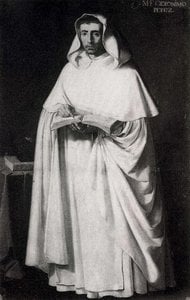
St John

A poignant wood sculpture of St. John by Tilman Riemenschneider (1505), showcasing expressive detail and religious devotion from the late medieval period. Explore its history & artistry.

Tilman Riemenschneider (1460-1531) a sculptor german de la sfârșitul epocii medievale și începutul Renașterii, renumit pentru altarurile sale din lemn expresive, cum ar fi Altarul Sângelui Sfânt, și pentru contribuția sa la tranziția artistică.

Achiziționați o imagine digitală de înaltă rezoluție, îmbunătățită, mult superioară previzualizării online.

Fiecare fișier este pregătit cu meticulozitate de specialiștii noștri interni, utilizând instrumente avansate și retușare manuală expertă. Ne asigurăm că fiecare imagine beneficiază de o claritate excepțională, o acuratețe precisă a culorilor și detalii fine.

Fișierul final este livrat prin e-mail în termen de 72 de ore, optimizat pentru utilizare imediată în medii profesionale, editoriale și de imprimare. Aceasta este aceeași calitate în care au încredere studiouri de design, edituri și galerii de top.

Imagine Digitală

Descărcați un fișier la rezoluție înaltă pentru afișare personală, imprimare și proiecte creative. (Comandă printul Comandă printulComandă pictură lucrată manual Comandă pictură lucrată manual)

Preț total

$ 24,90

Inclus în fiecare comandă de imagini digitale

Livrare digitală de expertiză, garantată

Când alegeți WahooArt.com, nu primiți doar o simplă imagine – primiți o operă de artă digitală îmbunătățită profesional, creată cu precizie și susținută de o garanție de satisfacție. Iată tot ceea ce primești odată cu comanda ta, în mod automat:

shipping_icon
Livrare rapidă prin e-mail

Fișierul imaginii digitale la rezoluție înaltă vă va fi trimis prin e-mail în termen de 72 de ore de la finalizarea comenzii – gata pentru utilizare imediată.

canvas_icon
Fișier digital optimizat prin IA

Opera ta de artă este optimizată profesional prin intermediul unor instrumente AI avansate și al editării manuale, asigurând un nivel maxim de detalii, claritate și acuratețe a culorilor.

insurance_icon
Retransmitere gratuită pe viață

Ai șters sau ai pierdut din greșeală fișierul? Nu îți face griji – ți-l vom retrimite oricând, gratuit.

tax_icon
Fără taxe de import – Întotdeauna

Bucură-te instant de noua ta operă de artă, fără taxe vamale, taxe de import sau costuri de livrare – descărcările digitale sunt întotdeauna fără taxe.

color_icon
Garanția acurateții culorilor

Asigurăm o reflectare cât mai fidelă a culorilor originale în imaginea ta digitală, prin utilizarea unor instrumente profesionale și a proceselor de gestionare a culorii.

return_icon
Garanție de satisfacție de 60 de zile

Dacă nu sunteți mulțumit de imaginea digitală achiziționată, o vom revizui sau vă vom returna 100% în termen de 60 de zile – fără nicio explicație necesară.

guarantee_icon
Garanție de returnare 100% a banilor

Nu ești mulțumit? Obține o rambursare completă în termen de 60 de zile de la primirea fișierului tău digital – fără întrebări.

discount_icon
Reduceri pentru comenzi în volum

Cumpără 3 imagini, economisește 10% - Cumpără 5, economisește 15% - Cumpără 10+, economisește 20%. Ideal pentru proiecte creative, galerii și agenții.

Informații rapide

  • Subject or theme: St John the Baptist
  • Movement: Late Gothic/Renaissance
  • Year: 1505
  • Location: Mainfränkisches Museum, Würzburg
  • Medium: Wood
  • Artistic style: Religious sculpture
  • Title: St John

Test de cultură artistică

Fiecare întrebare are un singur răspuns corect.

Întrebare 1:
What is the primary subject of Tilman Riemenschneider’s sculpture, ‘St John’?
Întrebare 2:
In what year was ‘St John’ created, according to the provided information?
Întrebare 3:
What material is ‘St John’ primarily crafted from?
Întrebare 4:
Which of the following best describes Tilman Riemenschneider's artistic style as evidenced by this sculpture?
Întrebare 5:
The sculpture’s base is described as having a ‘simple design’. What does this suggest about Riemenschneider's approach?

The Silent Witness: Tilman Riemenschneider’s St. John

Within the hushed halls of the Mainfränkisches Museum in Würzburg resides a sculpture that transcends mere representation; it is an embodiment of sorrow, contemplation, and profound spiritual depth – Tilman Riemenschneider's 1505 depiction of Saint John the Baptist. More than just a portrait of a biblical figure, this wooden carving offers a glimpse into the anxieties and burgeoning humanism of late medieval Germany, revealing a master’s ability to imbue inanimate wood with palpable emotion.

Riemenschneider, born in Heiligenstadt around 1460, was a pivotal artist bridging the Gothic and Renaissance eras. His life, marked by displacement and artistic apprenticeship across Swabia and the Upper Rhine, instilled within him a resilience that profoundly shaped his work. This particular sculpture, crafted from meticulously carved Linden wood, exemplifies his signature style: a potent blend of emotional intensity and formal precision. The figure is seated, rendered with an almost unnerving realism – the furrowed brow, the downturned mouth, the clenched fist resting on his thigh—all speak to a deep well of suffering. The details are astonishing; observe the delicate rendering of the folds in his garment, the texture of his hair, and the subtle curve of his hand holding what appears to be a scroll or book – an emblem of both knowledge and perhaps, a lament for lost wisdom.

A Study in Grief and Reflection

The pose itself is crucial. Saint John is not depicted as a triumphant prophet or a zealous preacher; instead, he’s presented in a state of quiet despair. The downward gaze suggests introspection, a turning away from the world and towards an inner landscape of grief. This isn't simply mourning the loss of his earthly role – the Baptist’s public ministry was abruptly ended – but also a deeper, more universal sorrow for human fallibility and the transience of life. The sculpture powerfully conveys the weight of bearing witness to Christ’s suffering, a burden that resonates across centuries.

Riemenschneider's masterful use of wood carving is equally compelling. The artist skillfully exploited the natural grain of the Linden wood, creating a rich texture and depth that enhances the figure’s physicality. Notice how he uses subtle variations in shading to model the form, suggesting both solidity and vulnerability. This technique, combined with his expressive rendering of facial features, elevates the sculpture beyond mere representation, transforming it into a conduit for profound emotional experience.

Historical Context and Symbolism

Created around 1505 during a period of significant political and religious upheaval in Germany, Riemenschneider’s St. John reflects the anxieties and uncertainties of the era. The Peasants' War, which ravaged the countryside just a few years later, underscored the fragility of social order and the prevalence of suffering. The figure’s sorrowful expression can be interpreted as a commentary on this broader context – a meditation on human vulnerability in the face of adversity.

Beyond its immediate historical setting, the sculpture is rich in symbolic meaning. The scroll or book held by Saint John represents both divine knowledge and the written word, suggesting a connection to scripture and the teachings of Christ. The gesture of his hand—a subtle clench—can be interpreted as a rejection of worldly power and a commitment to spiritual truth. Furthermore, the choice of wood itself – Linden – was often associated with mourning and remembrance in medieval art.

A Timeless Masterpiece

Tilman Riemenschneider’s St. John is more than just a sculpture; it's a profound meditation on human suffering, faith, and the enduring power of artistic expression. Its quiet intensity continues to resonate with viewers today, inviting contemplation and offering a poignant reminder of our shared humanity. Reproductions of this remarkable work capture only a fraction of its emotional depth, but they serve as a powerful gateway to appreciating the genius of one of Germany’s most important medieval sculptors.


Biografie artist

A Life Forged in Stone and Wood

Tilman Riemenschneider, a name that echoes through the corridors of German art history, represents a pivotal moment – a bridge between the solemn grandeur of the Late Gothic era and the burgeoning humanism of the Renaissance. Born around 1460 in Heiligenstadt im Eichsfeld, his life unfolded against a backdrop of turbulent political shifts and artistic evolution, shaping him into one of the most compelling sculptors of his time. His early years were marked by displacement; the violent Mainzer Stiftsfehde forced his family to relocate to Osterode, an experience that likely instilled within young Tilman a profound sense of resilience – qualities that would become integral to both his artistic journey and his enduring legacy. His formative years were spent absorbing the diverse styles and techniques prevalent in Swabia and along the Upper Rhine, immersing himself in workshops and learning from masters like Martin Schongauer, whose intricate engravings profoundly influenced his early approach to line and detail. This period of apprenticeship laid the foundation for his distinctive style, characterized by a meticulous attention to form and an ability to imbue inanimate wood with remarkable emotional depth.

The Rise of a Master Sculptor

Riemenschneider’s ascent was remarkably swift and impactful. His earliest documented work, the gravestone of Eberhard von Grumbach, crafted around 1485, immediately showcased his burgeoning talent – not merely for technical skill, but for capturing the essence of human character within sculpted form. This early piece demonstrated a remarkable ability to convey both physical likeness and profound emotional resonance, quickly establishing Riemenschneider’s reputation throughout the region. He rapidly gained commissions from town councils and churches eager to benefit from his exceptional abilities, solidifying his position as a leading craftsman. However, it was in the realm of altarpieces that Riemenschneider truly distinguished himself, transforming these devotional objects into immersive theatrical experiences carved entirely in wood. The *Franziskusaltar* in Rothenburg ob der Tauber (circa 1490-1492) and, most notably, the *Holy Blood Altar* in Creglingen (completed around 1503-1505), stand as testaments to his unparalleled mastery of limewood carving. These monumental works are not simply representations of biblical narratives; they are dynamic compositions brimming with life, emotion, and a profound sense of spiritual depth. Riemenschneider’s innovative approach extended beyond the subject matter itself; he deliberately eschewed traditional polychromy – the practice of painting sculptures – allowing the natural beauty and texture of the wood to take center stage, emphasizing its inherent warmth and character. This bold decision elevated the material itself, transforming it into a vital component of the artwork's expressive power.

A Synthesis of Styles: Gothic Roots, Renaissance Echoes

Riemenschneider’s work is often described as a unique synthesis of Late Gothic sensibilities and emerging humanist ideals. While firmly rooted in the traditions of his era – characterized by intricate detail, elongated figures, and a focus on religious symbolism – he subtly incorporated elements that foreshadowed the Renaissance, notably a greater emphasis on naturalism, psychological realism, and a more dynamic use of space. The *Altar of the Virgin* in Herrgotts Church at Creglingen (circa 1505-1510) exemplifies this transitional style, blending Gothic formality with a nascent sense of human emotion and individual expression. The faces of the figures are remarkably expressive, conveying a range of emotions – from serene contemplation to profound sorrow – reflecting a shift away from the more stylized representations common in earlier Gothic art. This subtle yet significant evolution reflects Riemenschneider’s keen awareness of artistic developments occurring across Europe, particularly in Italy, where new ideas about perspective, anatomy, and humanism were taking root.

Civic Duty and Political Turmoil

Beyond his artistic pursuits, Tilman Riemenschneider was an active participant in the civic life of Würzburg. In 1504, he was elected a councillor (late Mayor) of the city, holding this position for twenty years and serving as a vital link between the artistic community and the governing body. This role brought him considerable prestige and access to lucrative commissions, further solidifying his financial stability and professional standing. However, this period of prosperity was tragically disrupted by the Peasants’ War in 1524-1525. Riemenschneider, a man known for his empathy and commitment to social justice, refused to support military action against the rebellious peasants, a decision that ultimately led to his imprisonment and a significant decline in his career. Despite enduring legends claiming he lost his hands as punishment – a story likely embellished over time – the emotional and professional consequences were devastating. He was held captive for months within the Marienberg Fortress, subjected to torture and humiliation, and faced with the loss of his civic responsibilities and commissions. While he continued to produce works after his release, they were fewer in number and often smaller in scale, reflecting the diminished circumstances of his later years.

A Lasting Legacy

Tilman Riemenschneider’s significance lies not only in his technical virtuosity but also in his ability to capture the spirit of a transitional era. His work embodies the delicate balance between the spiritual fervor of the Late Gothic and the emerging humanist ideals of the Renaissance. He stands as a master of woodcarving, renowned for his expressive figures, intricate detail, and innovative use of materials. For centuries after his death in 1531, Riemenschneider’s contributions were largely forgotten, overshadowed by the artistic achievements of the Italian Renaissance. However, in the 19th century, art historians began to rediscover and appreciate his unique genius, recognizing him as one of the most important sculptors of his time. His influence on subsequent generations of German artists is undeniable, inspiring a renewed appreciation for woodcarving and a commitment to expressive realism. Today, Riemenschneider’s sculptures are treasured throughout Europe, serving as powerful reminders of a bygone era and a testament to the enduring power of artistic vision. They stand as a poignant reminder that even amidst political turmoil and personal hardship, beauty and creativity can endure.
Tilman Riemenschneider

Tilman Riemenschneider

1460 - 1531 , Germania

Detalii rapide

  • Artistic Movement Or Style: Gotic și Renaștere
  • Artists Or Movements Influenced By This Artist: ['Renașterism Italian']
  • Artists Who Influenced This Artist: ['Martin Schongauer']
  • Date Of Birth: c. 1460
  • Date Of Death: 7 iulie 1531
  • Full Name: Tilman Riemenschneider
  • Nationality: German
  • Notable Artworks:
    • Altarul Sfânt Sânge
    • Maria Magdalena
    • Altarul Virgină
  • Place Of Birth: Heiligenstadt, Italia