Obțineți un fișier gata de imprimare care depășește cu mult calitatea previzualizării web. Fiecare imagine digitală pe care o vindem provine dintr-un master de înaltă rezoluție din baza noastră de date — având, de regulă, o lățime între 5.000 și 15.000 de pixeli — astfel încât să puteți printa în format mare, să decupați strâns sau să reproduceți detalii fine cu încredere.
Niciun fișier nu părăsește studioul nostru fără să fie tratat. Un expert digital verifică nuanțele de culoare în raport cu pictura originală și le corectează acolo unde este necesar, apoi îmbunătățește claritatea și detaliile folosind instrumente profesionale de retușare — rămânând întotdeauna fidel gestului pictural și stilului artistului. Rezultatul este o imagine care seamănă cu tabloul propriu-zis, nu cu o scanare filtrată.
Aprobați înainte de finalizare: expertul nostru vă va trimite imaginea prin e-mail în termen de 72 de ore pentru revizuire. Nu sunteți mulțumit? Solicitați îmbunătățiri sau corecturi, ori cereți o restituire a plății dacă calitatea nu este pe măsura așteptărilor.
Aceasta este calitatea pe care se bazează editorii, studiourile de design, galeriile și tipăriturile.
Descărcați un fișier la rezoluție înaltă pentru afișare personală, imprimare și proiecte creative. ( Comută pe versiunea Print Comandă pictură realizată manual)
Când alegeți WahooArt.com, nu primiți doar o simplă imagine – primiți o operă de artă digitală îmbunătățită profesional, creată cu precizie și susținută de o garanție de satisfacție. Iată tot ceea ce primești odată cu comanda ta, în mod automat:
Fișierul imaginii digitale la rezoluție înaltă vă va fi trimis prin e-mail în termen de 72 de ore de la finalizarea comenzii – gata pentru utilizare imediată.
Opera ta de artă este optimizată profesional prin intermediul unor instrumente AI avansate și al editării manuale, asigurând un nivel maxim de detalii, claritate și acuratețe a culorilor.
Ai șters sau ai pierdut din greșeală fișierul? Nu îți face griji – ți-l vom retrimite oricând, gratuit.
Bucură-te instant de noua ta operă de artă, fără taxe vamale, taxe de import sau costuri de livrare – descărcările digitale sunt întotdeauna fără taxe.
Asigurăm o reflectare cât mai fidelă a culorilor originale în imaginea ta digitală, prin utilizarea unor instrumente profesionale și a proceselor de gestionare a culorii.
Dacă nu sunteți mulțumit de imaginea digitală achiziționată, o vom revizui sau vă vom returna 100% în termen de 100 de zile – fără nicio întrebare.
Nu ești mulțumit? Primești rambursarea integrală în termen de 100 de zile de la primirea fișierului digital – fără nicio întrebare.
Cumpără 3 imagini, economisește 10% - Cumpără 5, economisește 15% - Cumpără 10+, economisește 20%. Ideal pentru proiecte creative, galerii și agenții.
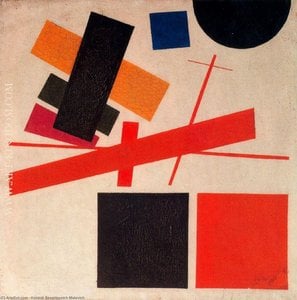
Stuart Davis's “Interior” is a captivating example of American Modernism, pulsating with energy and reflecting the artist’s unique response to the burgeoning urban landscape and the rhythms of jazz. Created sometime during his prolific career (1892-1964), this work embodies Davis’s commitment to developing a distinctly American visual language, moving beyond European influences towards a bold, independent style.
Davis was deeply influenced by jazz music, which he saw as embodying the spirit of modern America – improvisational, energetic, and uniquely its own. While “Interior” isn’t a direct representation of musical notes, the dynamic interplay of shapes and colors evokes the same sense of rhythm and syncopation found in jazz compositions.
“Interior” is not a tranquil scene; it’s charged with energy and tension. The fragmented forms and bold colors create a sense of dynamism, while the lack of traditional perspective can be slightly unsettling. This emotional complexity reflects the anxieties and excitements of a rapidly changing world.
"Interior" de Stuart Davis utilizează o paletă de culori Metallics. Această paletă definește caracterul cromatic general al operei.
„Interior” este atribuit lui Stuart Davis.
"Interior" reprezintă perioada Mature Period a lui Stuart Davis.

Născut pe 7 decembrie 1892, în Philadelphia, Stuart Davis a fost scufundat într-un mediu artistic încă de la o vârstă fragedă. Tatăl său, Edward Wyatt Davis, ocupase funcția de editor de artă la Philadelphia Press, în timp ce mama sa, Helen Stuart Davis, era sculptoritoare. Acest context familial a cultivat, fără îndoială, interesul său timpuriu pentru arte vizuale.
Davis a urmat o instruire formală la Robert Henri School of Art din New York City, între 1909 și 1912, sub îndrumarea lui Robert Henri. În această perioadă, el a legat prietenii durabile cu alți pictori, precum John Sloan, Glenn Coleman și Henry Glintenkamp.
Davis a obținut rapid recunoaștere ca unul dintre cei mai tineri participanți la celebra expoziție Armory Show din 1913. El a prezentat cinci picturi în acuarelă ce reflectau stilul școlii Ashcan, marcând un prim pas esențial în călătoria sa artistică.
Pe parcursul anilor 1920, Davis și-a dezvoltat stilul matur și distinctiv. El a început să creeze naturi moarte și peisaje abstracte, caracterizate printr-un element proto-pop art, integrând subiecte contemporane, precum ambalaje de țigări sau reclame la bujii, în compozițiile sale.
Opera sa este cunoscută pentru natura sa îndrăzneață, vibrantă și colorată. Exprimarea artistică a lui Davis a fost profund influențată de pasiunea sa pentru muzica jazz, element care a devenit tot mai evident în picturile sale din anii 1940 și 1950. Mișcarea Ashcan School a jucat, de asemenea, un rol crucial în modelarea sensibilităților sale estetice timpurii.
Odol (Modernism), finalizată în 1928, reprezintă un exemplu magistral al stilului unic al lui Davis. Această pictură exemplifică capacitatea sa de a îmbina formele abstracte cu imagini recognoscibile din cultura populară.
Alte lucrări semnificative includ Rocks, Gloucester (1915), The Mellow Pad și Tropes de Teens (1956).
Contribuțiile lui Stuart Davis la modernismul american sunt incontestabile. El a deschis calea generațiilor viitoare de artiști, provocând convențiile artistice tradiționale și îmbrățișând temele contemporane.
În calitate de pionier al artei abstracte, el a ajutat la stabilirea unei voce americane distincte în contextul mai larg al istoriei arte moderne. Opera sa continuă să inspire și să influențeze artiștii de astăzi, consolidându-și locul de figură semnificativ în arta secolului XX.

1892 - 1964 , Statele Unite ale Americii
 Previzualizare
 Trimite prin felicitare
 Distribuie
 Detalii despre lucrare
 Ghid
Ghid

 Descarcă imaginea
 Produse similare
 Radiografie
 Galerie foto
 Întrebări și răspunsuri
 Statistici
 Vezi mai mult