


 Acrilic pe pânză întinsăArtă de pereteBaroque
 1617Renașterea
 425.0 x 295.0 cm
Printuri giclée sau pe canvas de calitate muzeală, cu proces de producție rapid și opțiuni flexibile de finisare. ( Comandă pictură lucrată manual Cumpără imaginea)





























Alegeți dintre dimensiunile noastre prestabilite, care respectă proporțiile originale ale operei de artă.

Puteți introduce propriile dimensiuni pentru a se potrivi unui anumit cadru sau spațiu. Dacă dimensiunea selectată nu corespunde proporțiilor imaginii originale, vom decupa lucrarea de artă sau vom extinde imaginea cu margini oglindite sau cu o culoare uniformă. Un mockup digital va fi trimis pentru aprobarea dumneavoastră înainte de începerea producției.
Vă rugăm să rețineți că previzualizarea de pe ecran nu reflectă decuparea sau extinderea reală. Doar mockup-ul va arăta cu exactitate compoziția finală.
Deși dimensiunile personalizate sunt disponibile, vă recomandăm să selectați o dimensiune din lista predefinită pentru a păstra proporțiile originale.
Livrare în întreaga lume () în 2 săptămâni, în loc de cele 4/5 săptămâni standard. (7 Septembrie)


Descent from the Cross
Dimensiune reproducere
Peter Paul Rubens’ Descent from the Cross stands as a monumental achievement in Baroque art—a testament to Rubens’ unparalleled mastery of composition, emotion, and artistic innovation. Painted in 1617 for the altar of Our Lady Cathedral in Antwerp, Belgium, this colossal oil on canvas (425 x 295 cm) transcends mere depiction; it embodies the spiritual fervor and dramatic grandeur characteristic of its era.
The painting captures the pivotal moment following Jesus’ crucifixion—his removal from the cross by Joseph of Arimathea and Nicodemus. Rubens meticulously portrays this scene with breathtaking realism, populated by figures reacting to Christ's descent with palpable sorrow and devotion. The central figure dominates the composition: Jesus himself, slumped gracefully yet powerfully onto a draped cloth, embodying both vulnerability and divine majesty.
Rubens’ genius lies in his masterful orchestration of visual elements—a dynamic diagonal thrust that guides the viewer's eye upward toward Christ. The intricate layering of figures creates a sense of depth and movement, mirroring the emotional turbulence of the event. Notably, Rubens employs *chiaroscuro*, dramatic contrasts between light and shadow, to heighten the emotional intensity and illuminate key areas of interest—drawing attention to Jesus’ body and emphasizing the expressions of grief on the faces of Mary Magdalene and the Virgin Mary.
Rubens was a pivotal figure in Flemish Baroque art, inheriting the legacy of Mannerism while embracing the expressive dynamism championed by Caravaggio. He skillfully blended classical ideals—particularly sculptural form—with Christian iconography, reflecting the humanist spirit of his time. The painting’s monumental scale and vibrant color palette exemplify Rubens' distinctive style—a bold departure from academic conventions that cemented his reputation as one of Europe’s foremost artists.
Today, Rubens House Museum in Antwerp offers visitors a captivating glimpse into Rubens’ life and artistic process—allowing them to appreciate the painting within its broader historical context. Alongside Peter Paul Rubens at WahooArt, this masterpiece continues to inspire awe and contemplation, serving as an enduring symbol of faith and artistic excellence.

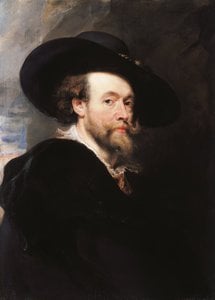
1577 - 1640 , Germania

Elevate your collection with the dramatic grandeur of Baroque oil masterpieces. WahooArt offers exquisite, hand-painted reproductions of the Great Masters, featuring authentic chiaroscuro and premium textures. Discover bespoke artistry and expert consultation for elite collectors worldwide.

 Previzualizare
 Trimite
 Distribuie
 Detalii despre lucrare

 Descarcă
 Produse similare
 Radiografie
 Diapozitive automate
 Vezi mai mult







 Opțiunea cu sticlă este disponibilă doar pentru dimensiuni de sub 110 cm


