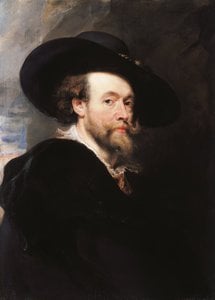
A Life Forged in Baroque Splendor
Sir Peter Paul Rubens, un nume care rezonează cu esența însăși a dinamismului Baroc, era mult mai mult decât un simplu pictor. Era un diplomat, un savant și un arhitect cultural care a remodelat fundamental peisajul artistic al Europei secolului al XVII-lea. Născut în Siegen, Germania, în 1577, viața sa timpurie a fost marcată de exil – o experiență formativă care a impregnat subtil mai târziu opera sa cu un subtext de dramă și profunzime emoțională. Tatăl său, Jan Rubens, un avocat care fugea de persecuție religioasă pentru credințele sale Calviniste, a răsturnat familia din Antwerpia, atunci sub dominația spaniolă. Acest exil inițial a stârnit în tânărul Peter Paul un sentiment de reziliență și adaptabilitate, calități care i-au servit bine pe parcursul carierei sale multifacetede. După moartea tatălui său în 1587, familia s-a întors la Antwerpia, unde a primit o educație umanistă înainte de a începe formarea sa artistică în jurul anului 1590, fiind ucenic sub Tobias Verhaecht și Adam van Noort, perfecționând abilitățile fundamentale de desenare și tehnicilor de pictură. Cu toate acestea, timpul petrecut cu Otto van Veen s-a dovedit a fi decisiv, expunându-l la bogata moștenire a artei renascentiste – un univers pe care l-a îmbrățișat cu toată puterea sa.
The Italian Awakening and Artistic Synthesis
În 1600, Rubens a pornit într-o călătorie transformatoare în Italia, o pelerinaj care a modelat irevocabil viziunea sa artistică. Pentru opt ani, s-a scufundat în capodoperele lui Michelangelo, Rafael și Tician, absorbând măiestria lor de formă, culoare și compoziție. Influența acestor giganti renascentiști este evidentă în primele sale lucrări italiene, caracterizate de teme clasice și figuri idealizate. Cu toate acestea, Rubens nu a imitat doar; el a sintetizat aceste influențe cu talentul său innăscut, dezvoltând un stil distinctiv marcat de nuanțe vibrante, compoziții dinamice și o reprezentare senzuală a formei umane. A studiat anatomia minuțios, rezultând în figuri care au fost pline de viață și emoție – corpuri robuste îmbrăcate în viață și mișcare. Această perioadă nu a fost doar despre dezvoltarea artistică; a fost o trezire intelectuală profundă, cultivând o apreciere puternică pentru mitologia clasică și literatura, care au devenit motive recurente în operele sale. A revenit la Antwerpia în 1608, unde a rapid stabilit poziția sa de artist de top al vremii, primind o avalanșă de comenzi care martorisea reputația sa în creștere și consolidând poziția sa în fruntea artei flămande.
A Master of Many Forms: Painting Beyond Boundaries
Opera artistică a lui Rubens era incredibil de diversă și prolifică. Nu s-a limitat la un singur gen; mai degrabă, a excelat în picturi istorice, scene mitologice, portrete, peisaje și lucrări religioase – o dovadă a versatilității sale și a creativității sale nelimitate. Canvasele sale mari, adesea destinate bisericilor, palatelor și spațiilor publice, erau demonstrații uluitoare de virtuozitate tehnică și povestiri dramatice.
Coborârea de pe Cruce (c. 1616-1617) exemplifică utilizarea sa măiestrie a luminii și umbrelor pentru a crea o scenă de intensitate emoțională profundă, atrăgând privitorii în inima narațiunii.
Ridicarea Crucii (1610-1611), cu figuri în mișcare și compoziție dinamică, prezintă capacitatea sa de a transmite mișcarea și energia – un semn distinctiv al stilului său Baroc. Chiar și în subiecte aparent statice precum
Judecata lui Paris (c. 1636), Rubens a infuzat un sentiment de viață și vitalitate prin paleta sa bogată de culori și reprezentarea senzuală a formei umane. Tehnica sa era la fel de remarcabilă – o măiestrie în pictura cu ulei, folosind impasto pentru a crea textură și adâncime, alături de tehnici delicate de glazurare pentru a obține efecte luminoase. De regulă, Rubens utiliza figuri alegorice și imagini simbolice, stratificând narațiuni cu semnificații complexe care invita contemplarea și interpretarea.
Diplomacy, Legacy, and Enduring Influence
Influența lui Rubens s-a extins mult dincolo de domeniul artei. Abilitățile sale diplomatice au fost căutate după bun gust în Ținisterele de Jos (Belgia modernă), și a desfășurat numeroase misiuni în Anglia, Franța și Spania, negociind tratate și promovând alianțe politice – un rol dual unic care i-a oferit o perspectivă nuanțată asupra afacerilor europene și a consolidat reputația sa ca om de inteligență și influență. În 1630, s-a mutat în conacul său, Château de Steen, și s-a căsătorit cu Hélène Fourment, nepoata tinără a soției sale, care a devenit atât inspirație pentru multe dintre picturile sale ulterioare, personificând sensualitatea și vitalitatea care au caracterizat stilul său. A continuat să picteze în mod prolific până la moartea sa din Antwerp în 1640, lăsând în urmă o moștenire imensă care inspiră astăzi admirație și uimire. Impactul său asupra generațiilor ulterioare de artiști este incontestabil; pictori precum Anthony van Dyck, Jacob Jordaens și Eugène Delacroix au fost inspirați de compozițiile sale dinamice, culorile vibrante și formele senzuale. Rubens nu a doar definit stilul Baroc – el a ridicat pictura la un nou nivel de prestigiu și influență, consolidând Antwerpă ca un centru major al producției artistice în secolul al XVII-lea. El rămâne, după secole, o figură impunătoare în istoria artei, o mărturie a puterii creativității umane și a farmecului durabil al splendorii Barocului.
Key Characteristics of Rubens’s Style
- Dynamic Composition: Rubens' paintings are known for their energetic and dramatic arrangements of figures.
- Vibrant Color Palette: He employed a rich, warm color scheme that brought his canvases to life.
- Sensuous Figures: His depictions of the human form were characterized by fullness, vitality, and often, overt sensuality.
- Masterful Use of Light and Shadow: Rubens skillfully manipulated light and shadow to create depth, drama, and emotional impact.
- Allegorical Symbolism: His works frequently incorporated allegorical figures and symbolic imagery, adding layers of meaning and complexity.



 Previzualizare
 Comută pe Print
 Trimite
 Distribuie
 Detalii despre lucrare

 Descarcă
 Produse similare
 Radiografie
 Diapozitive automate
 Statistici

 Vezi mai mult