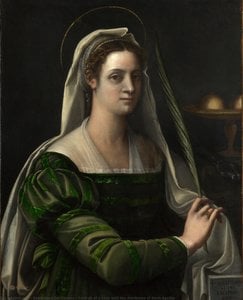
Sebastiano del Piombo: Un Spirit Primăvăr în Inima Romană
Sebastiano del Piombo, născut Sebastiano Luciani în jurul anului 1485 într-un colț vibrant al Veneției, nu este un artist despre care se vorbește des, dar povestea sa este una de adaptare remarcabilă, de migrație și, mai presus de toate, de o fuziune unică a sensibilității venetiane cu forța gravimetrică a Romei. Spre deosebire de mulți contemporani ale căror cărări erau clar definite încă din tinerețe, intrarea lui Sebastiano în lumea picturii a fost mai puțin directă; inițial atras de muzică – era un lutenist talentat – nu a fost decât la sfârșitul adolescenței sau începutul vârstei adulte când s-a dedicat cu adevărat culorilor și pensulei. Această perioadă formativă în Veneția a imprimat în el o dragoste profundă pentru nuanțe bogate, perspectivă atmosferică și o sensibilitate poetică care au rămas caracteristici ale stilului său chiar și după mutarea sa în Roma. Influența puternică a lui Giorgione este palpabilă în atribuțiile timpurii, cum ar fi pictura nefinalizată *Judecata lui Solomon*, o lucrare impregnată de dramatism și care prezintă o abordare inovatoare a compoziției, sugerând potențialul artistic aflat la orizont.
De la Veneția către Inima Vieții Artistice Romane
În 1511, un moment decisiv în cariera lui Sebastiano s-a petrecut când a părăsit Veneția și a ajuns în Roma – o capitală artistică pulsând cu energie sub patronajul Papilor Julius al II-lea și Leo al X-lea. Această mutare l-a plasat direct în orbita lui Rafael, atelierul căruia era la apogeu, și ulterior, în complexitatea lumii din jurul lui Michelangelo. În mod remarcabil, spre deosebire de unii artiști care s-au simțit umbriți de acești titani, Sebastiano a reușit să-și găsească propriul său loc, câștigând chiar și respectul – și uneori încurajarea – lui Michelangelo însuși. Cele două maestre au recunoscut o spirit comun în căutarea lor de grandiozitate și precizie anatomică; Michelangelo l-a susținut activ pe Sebastiano, îndurându-l să concureze cu Rafael pentru comenzi prestigioase. Rivalitatea dintre ei, deși poate exagerată de Vasari, a alimentat fără îndoială ambițiile lui Sebastiano și a contribuit la creșterea reputației sale. Primele lucrări romane ale acestuia, cum ar fi frescele din Villa Farnesina – în special *Polifemul* – demonstrează o asimilare magistrală a motivelor clasice și o încredere sporită în gestionarea compozițiilor ample. Era rapid devenind o forță în scena artistică romană, îmbinând sensibilitățile venetiane cu cerințele mediului său nou.
O Sinteză de Stiluri: O Viziune Artistică Unică
Geniul artistic al lui Sebastiano del Piombo a stat în capacitatea sa de a reconcilia tradițiile aparent opuse ale Veneției și Romei. Deși profund înrădăcinat în școala venetiană, cu accentul său pe culoare, lumină și textură – o moștenire moștenită de la Giorgione și Titian – a îmbrățișat preocuparea romană pentru forme monumentale, precizie anatomică și dramatism narativ. Această fuziune este evidentă în mod remarcabil în *Ridicarea lui Lazăr*, un altar puternic comandat pentru Catedrala din Narbonne și acum situat în Galeria Națională din Londra. Pictura prezintă măiestria sa în utilizarea culorilor uleiului pentru a crea nuanțe luminoase ale pielii și draperii bogate, în timp ce figurile posesoară o soliditate sculpturală reminiscentă de opera lui Michelangelo. Această fuziune unică l-a diferențiat de contemporanii săi și i-a stabilit poziția ca figură proeminentă în arta romană după moartea prematură a lui Rafael în 1520. Nu a fost doar o imitație; el a creat ceva nou, demonstrând că sensul venetian și gravitatea romană puteau coexista armonios pe aceeași pânză. *Ridicarea lui Lazăr* este un testament al capacității sale de a sintetiza aceste forțe aparent opuse într-o întregire coerentă și emoțională puternică.
Viața Târzie și Moștenirea Durabilă
Ultima parte a vieții lui Sebastiano a luat o întorsătură neașteptată în 1531, când a fost numit *piombatore*, Keeper of the Seals pentru Papă. Această poziție prestigioasă, dar solicitantă, i-a impus să participe la activitățile administrative ale Papei și a limitat considerabil producția sa artistică. Deși financiar confortabil, responsabilitățile postului l-au îndepărtat de pictură, iar operele sale ulterioare au fost mai puține în număr. A continuat să primească comenzi, în principal portrete, dar pasiunea și inovația perioadei sale timpurii păreau ceva mai stinse. În ciuda acestei scăderi a productivității, el a rămas o figură respectată în cercurile artistice romane până la moartea sa în 1547. Cu toate acestea, influența sa nu s-a dovedit la fel de răspândită ca cea a lui Rafael sau Michelangelo. Acest lucru se datora în parte lipsei de mulți ucenici și unei diseminări limitate a operei sale prin printuri – o practică comună pentru promovarea stilului unui artist în timpul Renașterii. Cu toate acestea, moștenirea lui Sebastiano del Piombo trăiește ca un testament al puterii sintezei artistice și al atracției durabile a culorilor venetiane combinate cu monumentalitatea romană.
Lucrări Notabile
- The Three Philosophers (with Giorgione): O capodoperă colaborativă care prezintă influențe timpurii.
- Polifem: O frescă în Villa Farnesina, care demonstrează stil clasic și detaliu magistral.
- Moartea lui Adonis: O pictură impresionantă ce ilustrează o scenă tragică.
- Moses Receiving the Tables of the Law: Demonstrează măiestria în pictura cu ulei pe pânză și compoziție dramatică.
- The Raising of Lazarus: Un altar puternic care combină culorile venetiane cu forma romană.
- San Sebastiano: O reprezentare evocatoare a sfântului, care prezintă abilitatea de a reda emoțiile umane.
Munca sa continuă să captiveze și să inspire, amintindu-ne unei epoci în care granițele artistice erau fluide și inovația prospera.



 Vezi în context
 Comută pe versiunea Print
 Trimite
 Distribuie
 Detalii
 Ghid
Ghid

 Descarcă
 Produse similare
 Radiografie
 Diaporama
 Statistici


 Citește mai mult






































 Opțiunea cu sticlă este disponibilă doar pentru dimensiuni de sub 110 cm