


 Tempera On PanelWallArtEarly Renaissance
 1490Renaissance
 132.0 x 107.0 cm
Printuri giclée sau pe canvas de calitate muzeală, cu proces de producție rapid și opțiuni flexibile de finisare. ( Comandă pictură lucrată manual Cumpără imaginea)





























Alegeți dintre dimensiunile noastre prestabilite, care respectă proporțiile originale ale operei de artă.

Puteți introduce propriile dimensiuni pentru a se potrivi unui anumit cadru sau spațiu. Dacă dimensiunea selectată nu corespunde proporțiilor imaginii originale, vom decupa lucrarea de artă sau vom extinde imaginea cu margini oglindite sau cu o culoare uniformă. Un mockup digital va fi trimis pentru aprobarea dumneavoastră înainte de începerea producției.
Vă rugăm să rețineți că previzualizarea de pe ecran nu reflectă decuparea sau extinderea reală. Doar mockup-ul va arăta cu exactitate compoziția finală.
Deși dimensiunile personalizate sunt disponibile, vă recomandăm să selectați o dimensiune din lista predefinită pentru a păstra proporțiile originale.
Livrare în întreaga lume () în 2 săptămâni, în loc de cele 4/5 săptămâni standard. (6 Septembrie)


The Flagellation
Dimensiune reproducere
In the quiet corridors of the Uffizi Gallery, there exists a moment frozen in time, a scene of profound tension and spiritual weight known as The Flagellation. Executed around 1490 by the Florentine master Sandro Botticelli, this work is far more than a mere biblical illustration; it is a masterful orchestration of light, shadow, and human suffering. As one gazes upon the panel, the eye is immediately drawn to the visceral drama unfolding within the architectural confines of the composition. The painting captures the agonizing scourging of Jesus Christ, yet it does so with a refined elegance that is uniquely Botticellian. Through his signature use of graceful, flowing lines and a delicate color palette, the artist elevates a moment of brutal violence into a sublime meditation on faith and endurance.
The technical brilliance of this piece lies in Botticelli’s meticulous application of tempera on wood panel. This medium allowed him to achieve a luminous quality that seems to radiate from within the very grain of the wood. He skillfully layered pigments to create nuanced transitions between the deep, bruised crimsons of the scene and the ethereal, pale tones of the skin, capturing the textures of drapery and stone with astonishing precision. Unlike the overwhelming grandeur found in the works of his later contemporaries, Botticelli employs a restrained scale here, focusing the viewer's attention on the subtle emotional cues—the tension in a hand, the downward cast of an eye, or the stark contrast of light hitting a marble pillar. This restraint creates an intimate connection between the observer and the observed, making the historical tragedy feel startlingly present.
To understand The Flagellation, one must look toward the vibrant, intellectual atmosphere of Renaissance Florence. Created during the height of the Medici era, the painting reflects the complex interplay between classical humanism and deep Christian devotion. The architectural setting, with its precise perspective and classical motifs, speaks to the period's fascination with rediscovered Greco-Roman ideals. Yet, amidst this structured, rational space, the raw, irrational pain of the Christ figure serves as a powerful reminder of the spiritual cost of redemption. The composition creates a fascinating dialogue between the orderly world of man—represented by the elegant figures and classical columns—and the chaotic, sacrificial suffering of the divine.
For the discerning collector or interior designer, this artwork offers an unparalleled opportunity to introduce a sense of historical depth and intellectual gravity into a space. A high-quality reproduction of this masterpiece does not merely decorate a wall; it anchors a room with its profound narrative and sophisticated aesthetic. The painting’s ability to evoke both melancholy and awe makes it a versatile centerpiece, capable of inspiring contemplation in a private study or adding a layer of cultured elegance to a grand salon. It is a piece that invites the viewer to linger, to search for meaning within the shadows, and to appreciate the enduring power of an era where art was the ultimate bridge between the earthly and the eternal.


1445 - 1510 , Italia

Embark on a scholarly journey through the sacred beauty of High Medieval art. Discover the profound symbolism, luminous iconography, and spiritual depth of Gothic masterpieces in this expert guide for classical art enthusiasts.

Embark on a visual journey through Early Medieval art. Explore the profound beauty of illuminated manuscripts, sacred symbols, and golden light through an expert historical lens, celebrating the enduring legacy of medieval craftsmanship and divine artistry.

Embark on a scholarly journey through the spiritual grandeur of Late Medieval art. Discover the intricate symbolism, technical mastery, and profound religious narratives that define the Gothic era in this expert-led guide for art enthusiasts and collectors.
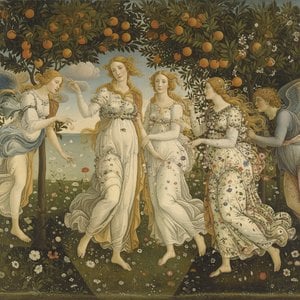
Explore the ethereal beauty of Sandro Botticelli's masterpieces. Delve into the profound symbolism, mythological grace, and technical mastery that define the Italian Renaissance through an expert art-historical lens.
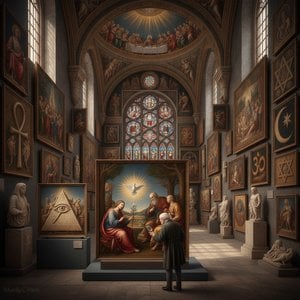
Explore the profound power of religious symbolism in art history. From Renaissance masterpieces to sacred iconography, uncover the hidden meanings behind divine details in a deep dive into classical art excellence.

 Previzualizare
 Trimite
 Distribuie
 Detalii despre lucrare

 Descarcă
 Produse similare
 Radiografie
 Diapozitive automate
 Vezi mai mult







 Opțiunea cu sticlă este disponibilă doar pentru dimensiuni de sub 110 cm


