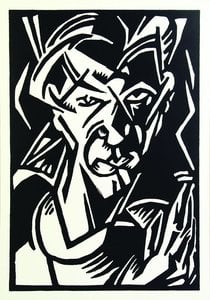
Sandor Bortnyik: Tesutor al Umbrelor și al Simbolismului
Sandor Bortnyik (1893-1976) rămâne o figură profund enigmatică în istoria artei maghiare, un artist ale cărui opere tulburătoare continuă să rezoneze printr-un amestec puternic de simbolism, expresionism și precizie arhitecturală. Născut în Marosvásárhely, Transilvania – parte a Regatului Ungariei la acea vreme – viața lui Bortnyik a fost marcată de deplasări și de o evoluție artistică constantă, proces care l-a transformat în una dintre cele mai distinctive voci ale generației sale. Moștenirea sa nu rezidă doar într-un volum vast de picturi și design grafic, ci și în rolul său crucial de educator, cultivând un nou val de artiști maghiari în cadrul principiilor Bauhaus.
Primii Ani și Influențele Formative
Formarea artistică timpurie a lui Bortnyik a început în Budapesta, unde a fost atras imediat de energia vibrantă a mișcării fauviste. Totuși, furtuna politică ce a urmat Primului Război Mondial l-a forțat în exil, conducându-l în cele din urmă la Weimar, în 1922. Această relocare s-a dovedit a fi transformatoare, scufundându-l în mediul revoluționar al școlii Bauhaus. Principiile funcționalismului, ale abstractizării geometrice și accentul pus pe măiestria meșteșugului i-au influențat profund dezvoltarea artistică. A studiat sub îndrumarea unor maeștri precum Johannes Itten și Lyonel Feininger, absorbind filosofiile acestora în timp ce își construia propriul limbaj vizual unic. Influența cubismului este ușor de observat în lucrările sale timpurii, în special prin fragmentarea formelor și explorarea perspectivelă multiple – o tehnică pe care o va integra ulterior cu măiestrie în imagini simbolice.
Un Maestru al Artei Comerciale și al Designului Grafic
În ciuda implicării sale în mișcările avangardiste, cariera lui Bortnyik a fost indisolubil legată de lumea artei comerciale. El s-a impus rapid ca un designer de postere extrem de căutat, creând comunicări vizuale de impact pentru o gamă diversă de clienți – de la producătorii de parfumuri precum Savoly, până la companiile de țigări precum Modiano. Aceste postere nu sunt simple reclame; ele sunt opere de artă în miniatură, caracterizate prin culori îndrăznești, compoziții dinamice și adesea imprimate cu un sentiment de melancolie sau presimțire. Designul său a fost remarcabil de inovator pentru epoca sa, introducând estetica modernist-constructivistă pe piața maghiară.
Atelierul și Moștenirea Bauhaus
În 1928, Bortnyik a înființat „Atelierul” (Mühely), o școală de artă privată în Budapesta, care a devenit un incubator crucial pentru talentul artistic maghiar. Inspirându-se masiv din principiile Bauhaus, el a pus accent pe experimentarea materialelor, a tehnică și a abordărilor conceptuale. Curriculumul său a cultivat un spirit de inovare și i-a încurajat pe studenți să provoace noțiunile tradiționale de creație artistică. De asemenea, a servit ca director al Academiei Ungare de Arte Frumoase între anii 1949 și 1956, modelând peisajul artistic al Ungariei de după război. Angajamentul său față de educație a depășit instruirea formală; el a căutat activ să expună studenții săi la evoluțiile internaționale în artă și design, stimulând un dialog transcultural care le-a îmbogățit practica creativă.
Teme ale Morții, Transformării și Peisajului Urban
Opera lui Bortnyik este profund preocupată de temele morții, degradării și transformării. Cele mai faimoase lucrări ale sale – adesea referite ca „picturi de tunel” – descriu spații claustrofobice pline de figuri distorsionate, forme fragmentate și un sentiment omniprezent de neliniște. Aceste imagini evocă anxietățile psihologice ale modernității, reflectând o fascinație pentru mortalitate și fragilitatea existenței umane. Utilizarea culorilor întunecate, a luminii dramatice și a imaginilor simbolice — precum cranii, flori în descompunere și figuri solitaire — creează o atmosferă de o melancolie profundă. Totuși, în mijlocul acestei întunecimi, apare adesea o scânteie de speranță sau reziliență, sugerând posibilitatea regenerării și a renașterii. Picturile sale descriu frecvent peisaje urbane, surprinzând izolarea și alienarea vieții moderne, explorând în același timp frumusețea și misterul ascuns în umbrele orașului.
Opera lui Bortnyik continuă să fie studiată și admirată pentru frumusețea sa tulburătoare, măiestria tehnică și explorarea profundă a condiției umane. El rămâne o figură centrală în istoria artei maghiare, o mărturie a puterii viziunii artistice și a moștenirii durabile a mișcării Bauhaus.



 Vezi în context
 Comută pe versiunea Print
 Trimite
 Distribuie
 Detalii
 Ghidul

 Descarcă
 Produse similare
 Radiografie
 Diaporama
 Statistici
 Citește mai mult