CONSULTAȚIE GRATUITĂ ÎN ARTE VIZUALE

x
Comandă tipăritul Comandă tipăritulComandă reproducere pictată Comandă reproducere pictată TrimiteTrimite
DetaliiDetalii Adaugă la favorite Adaugă la favorite DescarcăDescarcă SimilareSimilare Raze XRaze X DiaporamaDiaporama

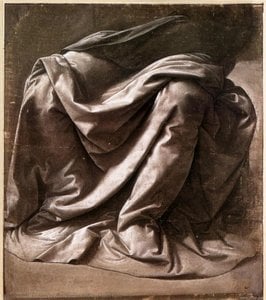
Study for 'Cheddar'

Rolinda Sharples (1793-1838) a pictoriță britanică renumită pentru scenele de gen și portrete detaliate din Bristol, epocă regalistă. Exponată la Royal Academy, a lăsat o documentare vizuală valoroasă a vieții cotidiene și evenimentelor istorice ale vremii.

Achiziționați o imagine digitală îmbunătățită și de înaltă rezoluție, mult superioară previzualizării online.

Fiecare fișier este pregătit cu meticulozitate de specialiștii noștri interni, utilizând instrumente avansate și retușare manuală expertă. Ne asigurăm că fiecare imagine beneficiază de o claritate excepțională, o acuratețe precisă a culorilor și detalii fine.

Fișierul final este livrat prin e-mail în termen de 72 de ore, optimizat pentru utilizare imediată în medii profesionale, editoriale și de imprimare. Aceasta este aceeași calitate în care au încredere studiouri de design, edituri și galerii de top.

Imagine Digitală

Descărcați un fișier la rezoluție înaltă pentru afișare personală, imprimare și proiecte creative.

Preț total

$9.99

Inclus în fiecare comandă de imagini digitale

Livrare digitală de expertiză, garantată

Când alegeți WahooArt.com, nu primiți doar o simplă imagine – primiți o operă de artă digitală îmbunătățită profesional, creată cu precizie și susținută de o garanție de satisfacție. Iată tot ceea ce primești odată cu comanda ta, în mod automat:

shipping_icon
Livrare rapidă prin e-mail

Fișierul imaginii digitale la rezoluție înaltă vă va fi trimis prin e-mail în termen de 72 de ore de la finalizarea comenzii – gata pentru utilizare imediată.

canvas_icon
Fișier digital optimizat prin IA

Opera ta de artă este optimizată profesional prin intermediul unor instrumente AI avansate și al editării manuale, asigurând un nivel maxim de detalii, claritate și acuratețe a culorilor.

insurance_icon
Retransmitere gratuită pe viață

Ai șters sau ai pierdut din greșeală fișierul? Nu îți face griji – ți-l vom retrimite oricând, gratuit.

tax_icon
Fără taxe de import – Întotdeauna

Bucură-te instant de opera ta de artă, fără taxe vamale, taxe de import sau costuri de livrare – descărcările digitale sunt întotdeauna fără taxe.

color_icon
Garanția acurateței culorilor

Asigurăm că imaginea ta digitală reflectă culorile originale cât mai fidel posibil, utilizând instrumente profesionale și procese de gestionare a culorii.

return_icon
Garanție de satisfacție de 60 de zile

Dacă nu sunteți mulțumit de imaginea digitală achiziționată, o vom revizui sau vă vom returna 100% în termen de 60 de zile – fără nicio explicație necesară.

guarantee_icon
Garanție de returnare 100% a banilor

Nu ești mulțumit? Obține o rambursare completă în termen de 60 de zile de la primirea fișierului tău digital – fără întrebări.

discount_icon
Reduceri pentru comenzi multiple

Cumpără 3 imagini, economisește 10% - Cumpără 5, economisește 15% - Cumpără 10+, economisește 20%. Ideal pentru proiecte creative, galerii și agenții.


Biografie Artist

Rolinda Sharples (1793-1838): A Pioneer of Genre Painting and Portraiture

Rolinda Sharples, a name perhaps less celebrated than many of her contemporaries in the artistic circles of Regency England, nevertheless occupies a significant place within the annals of British art history. Born in Bath in 1793—likely to James Sharples and Ellen Wallace—she emerged from an exceptionally artistic lineage, inheriting not only talent but also a profound understanding of the creative spirit fostered by her family’s dedication to painting. Her father, James Sharples, was a respected portrait painter who established himself in England, travelled to America setting up an incredibly successful practice there and then returned to England. He was at the Jesuit College in Bruges in 1770 when his uncle William Harrison wrote to him. James wanted money to return home, but was criticized by his uncle instead for being of a *‘fickle and unsettled disposition’*. James’ benefactor at the time was Lord Stourton, a Catholic relation of the Duke of Norfolk whose son was also at the Jesuit College at Bruges. The Sharples family back in Woodplumpton had fallen on hard times; George had died in 1761 and his widow Ann who had carried on in business trading in cloth had been declared bankrupt once. By 1774 he was exhibiting his work with the Liverpool Society of Artists. Her mother, Ellen Wallace Sharples, possessed a remarkable skill as a miniaturist—a craft that demanded meticulous detail and an unwavering eye for nuance. She documented Rolinda’s formative years with poignant precision in her diaries, revealing a mother’s pride in her daughter’s burgeoning artistic inclinations. This familial devotion to art wasn't merely observational; it actively shaped Rolinda’s development, instilling within her a deep appreciation for observation and skillful execution—skills honed during their shared experiences in both England and America. The Sharples family’s transatlantic journey solidified this influence, exposing Rolinda to diverse artistic traditions and fostering an understanding of the broader cultural landscape.

Early Artistic Training and Influences

Rolinda's formative years were marked by a rigorous artistic education—a privilege afforded by her parents’ unwavering commitment to their craft. James Sharples imparted foundational knowledge in drawing techniques, emphasizing accuracy and perspective—skills crucial for capturing the essence of visual representation. Simultaneously, Ellen Wallace Sharples nurtured Rolinda’s sensitivity to color and composition through miniature painting, fostering an appreciation for subtlety and artistic expression. Beyond her immediate family, Rolinda benefited from exposure to influential artists such as George Romney and Philip Reinagle, whose stylistic approaches broadened her artistic horizons. These mentors instilled in her a deep understanding of Neoclassicism—a movement characterized by its reverence for classical ideals and its emphasis on rationality and order.

From Miniature Copies to Ambitious Canvases

Rolinda’s artistic journey began with assisting her parents in creating smaller-scale portraits—a practice that provided invaluable experience in mastering meticulous detail and replicating textures accurately. However, she swiftly transitioned towards larger canvases, embracing oil painting as a medium that allowed for greater expressive freedom and textural richness. This shift wasn't abrupt; Ellen Sharples meticulously documented Rolinda’s progress in her diaries, highlighting her dedication to honing her craft and exploring new artistic possibilities. By 1812, Rolinda had established herself as both a portraitist and a genre painter—capturing the spirit of Regency Bristol with remarkable sensitivity and stylistic innovation. Her canvases resonated with an immediacy that reflected the vibrant social life of the era, offering glimpses into fashion, customs, and daily routines.

Notable Works: Genre Scenes and Portraiture

Rolinda Sharples’ artistic output encompassed a diverse range of subjects—primarily genre scenes depicting domestic interiors and everyday activities alongside portraits capturing the likenesses of prominent figures. Her paintings stand as testament to her skill and observational acuity—each piece imbued with an emotional resonance that transcends mere visual representation. Among her most celebrated works is “The Cloak Room, Clifton Assembly Rooms,” a meticulously rendered depiction of Regency society’s social gatherings—a scene captured with breathtaking precision and infused with subtle nuances of atmosphere. Similarly, “Racing on the Downs” portrays a spirited equestrian event—capturing movement and dynamism with masterful brushstrokes. Her portraiture demonstrated an exceptional ability to convey character and emotion—each likeness imbued with a palpable sense of presence. Particularly noteworthy is "Rownham Ferry with Portraits," which showcases Rolinda’s talent for capturing landscapes alongside human subjects—a harmonious blend of observation and artistic interpretation. And “The Trial of Colonel Brereton after the Bristol Riots of 1831” exemplifies her commitment to documenting historical events—presenting a dramatic tableau that captures the tensions and anxieties of the period.

Recognition and Legacy

Rolinda Sharples’ artistic achievements garnered considerable acclaim during her lifetime—most notably through her membership in the Royal Academy of London and the Society of British Artists. Her honorary membership within the latter society underscored the recognition accorded to her work by fellow artists and critics—a testament to her stylistic innovation and artistic integrity. Furthermore, Rolinda's contribution to art history extends beyond her individual creations; she paved the way for female artists during a time when opportunities were scarce—demonstrating the transformative power of perseverance and dedication in overcoming societal barriers. Her legacy continues to inspire artists today—serving as an enduring reminder of the importance of artistic vision and unwavering commitment to craft. Today, a significant collection of her paintings is housed at the Bristol City Museum and Art Gallery, ensuring that her work remains accessible to future generations. ### Further Exploration
Rolinda Sharples

Rolinda Sharples

1793 - 1838 , Regatul Marii Britanii

Detalii rapide

  • Artistic Movement Or Style: Neoclassicism
  • Artists Who Influenced This Artist:
    • James Sharples
    • Ellen Sharples
  • Date Of Birth: 1793
  • Full Name: Rolinda Sharples
  • Nationality: British
  • Notable Artworks: ['The Trial of Colonel Brereton after the Bristol Riots']
  • Place Of Birth: Bath, United Kingdom